Tell us about the job
Takes about a minute. No obligation.
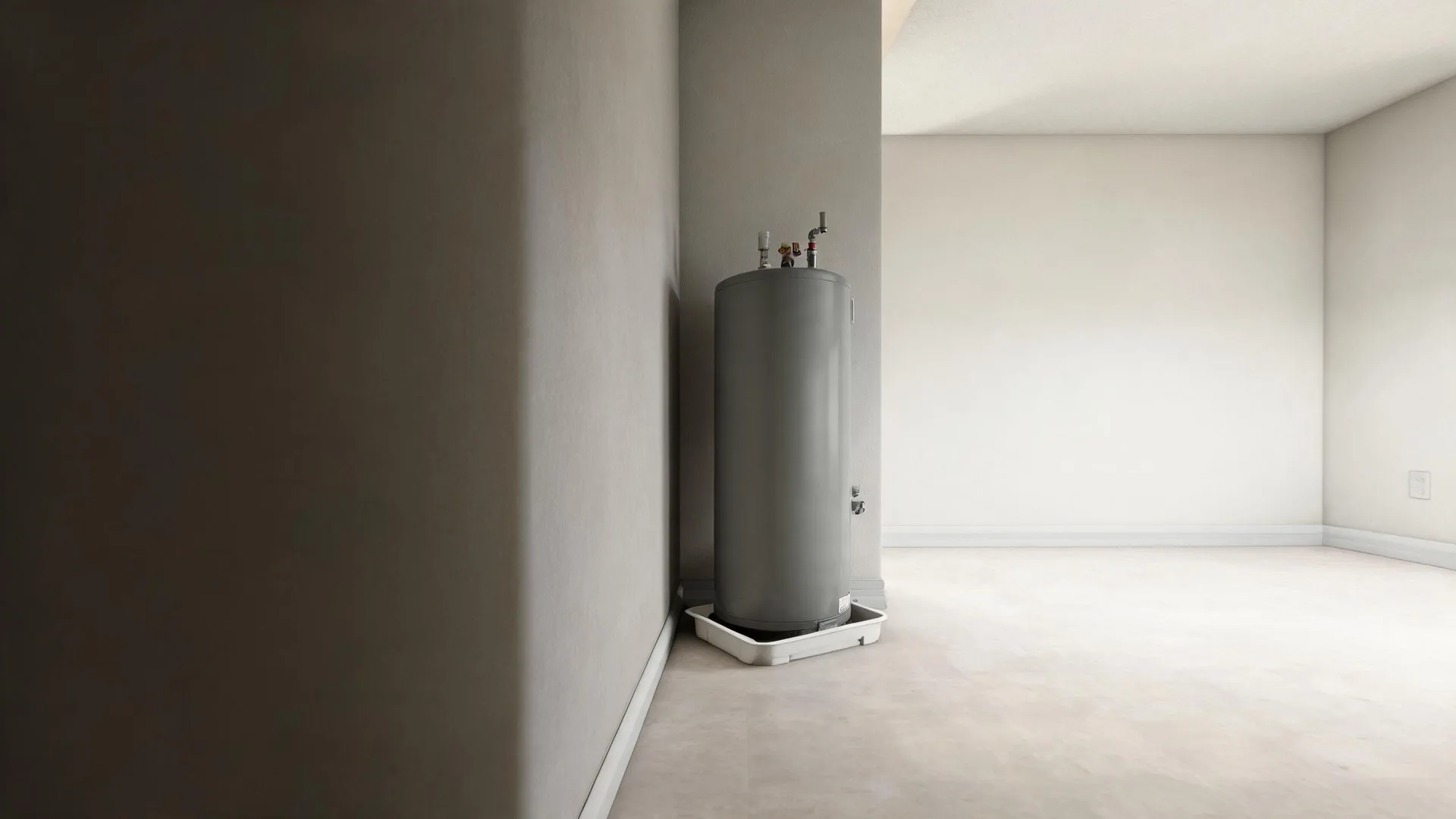
Electric water heaters put their wear on two components above everything else: the heating elements and the thermostats that cycle them. Electricity heats more occupied homes in Fairfield County, South Carolina than any other fuel, at 68.3% (2020-2024 ACS 5-year). A home running on electric resistance heat has an element that switches on and off every time hot water is drawn, and sediment buildup accelerates the rate at which that element degrades. A contractor diagnosing a unit here tests the elements under load before touching anything else, because a failed element reads as a thermostat problem until you put a meter on it.
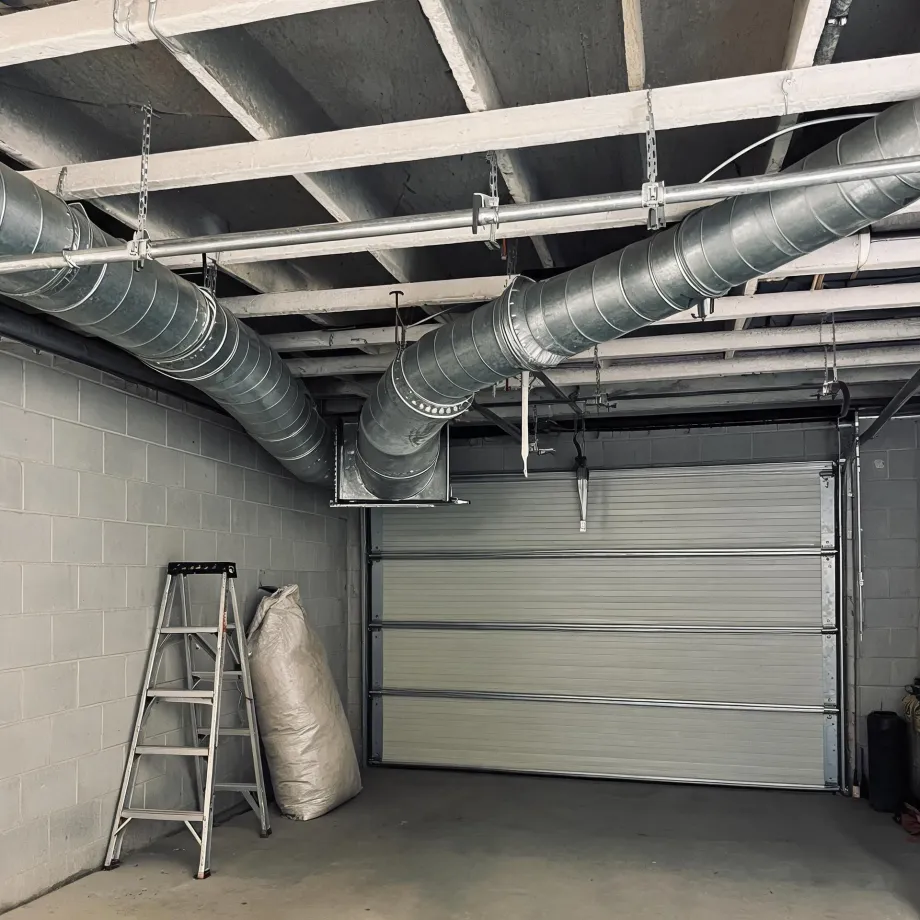
Plumbing runs and electrical connections in this county's older homes were put in for equipment that has since been replaced, sometimes more than once, and each swap left its own patchwork behind. Half the homes in Fairfield County, South Carolina were built in 1984 or earlier (2020-2024 ACS 5-year). When a water heater opens up and the fault is clear, what slows the job is often what feeds the unit: a junction that was never quite right, a supply line running a different size than what the fixture now takes, a breaker that was added rather than sized. A contractor working on a repair here checks those upstream conditions, because that is where the actual scope of the job gets set.
The Parts of a Water Heater a Contractor Checks During a Repair
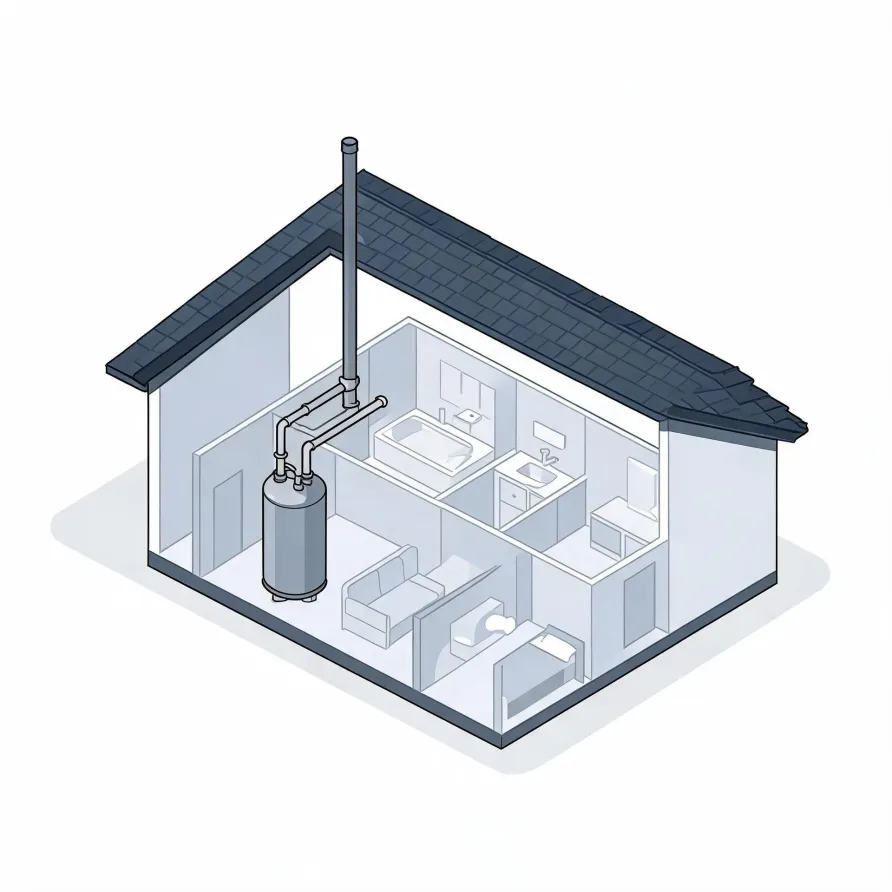
The tank is the piece a homeowner notices first, a large insulated vessel that sits in a utility room, basement, or garage and holds water at a set temperature until it is needed. Attached to the tank are the heating elements or burner assembly, depending on whether the unit runs on electricity or gas, and these are the pieces a contractor looks at when the water runs cold or fails to heat at all.
The thermostat controls when heating kicks on and at what point it stops, and a fault there can produce water that is scalding, lukewarm, or simply wrong. Sitting on or near the tank are the pressure relief valve, the anode rod inside the tank wall, and the inlet and outlet connections where cold water enters and hot water leaves, each of which a contractor checks when the complaint points to leaks, pressure problems, or sediment buildup.
The drawing shows a general layout of these components, and a licensed contractor determines what applies to the specific unit and setup in your home.
Get matched in Fairfield CountyFairfield County, SC, by the Numbers
166 severe weather events were recorded in Fairfield County, South Carolina between 2015 and 2024.
NOAA National Centers for Environmental Information, Storm Events Database, bulk CSV export, events 2015-01-01 through 2024-12-31.Half the homes in Fairfield County, South Carolina were built in 1984 or earlier (2020-2024 ACS 5-year).
U.S. Census Bureau, 2020-2024 American Community Survey 5-Year EstimatesFairfield County, South Carolina holds 11,003 housing units (2020-2024 ACS 5-year).
U.S. Census Bureau, 2020-2024 American Community Survey 5-Year EstimatesOwners occupy 74.6% of the occupied homes in Fairfield County, South Carolina (2020-2024 ACS 5-year).
U.S. Census Bureau, 2020-2024 American Community Survey 5-Year EstimatesWater Heater & HVAC Repair Rules on the Books for Fairfield County, South Carolina1 codes & standards
Licensing and Legal Requirements in Fairfield County, South Carolina
South Carolina requires a mechanical contractor license for contracting work whose total cost of construction is greater than ten thousand dollars.
Severe Weather Events in Fairfield County
Weather puts real stress on water heaters, pushing them through hard cycles of demand that accelerate wear on components like heating elements, thermostats, and pressure relief valves. How much of that stress a water heater in Fairfield County takes on is a local question, and the record below puts the county's conditions on the table.
166 severe weather events, 2015–2024. Source: NOAA National Centers for Environmental Information, Storm Events Database.