Tell us about the job
Takes about a minute. No obligation.
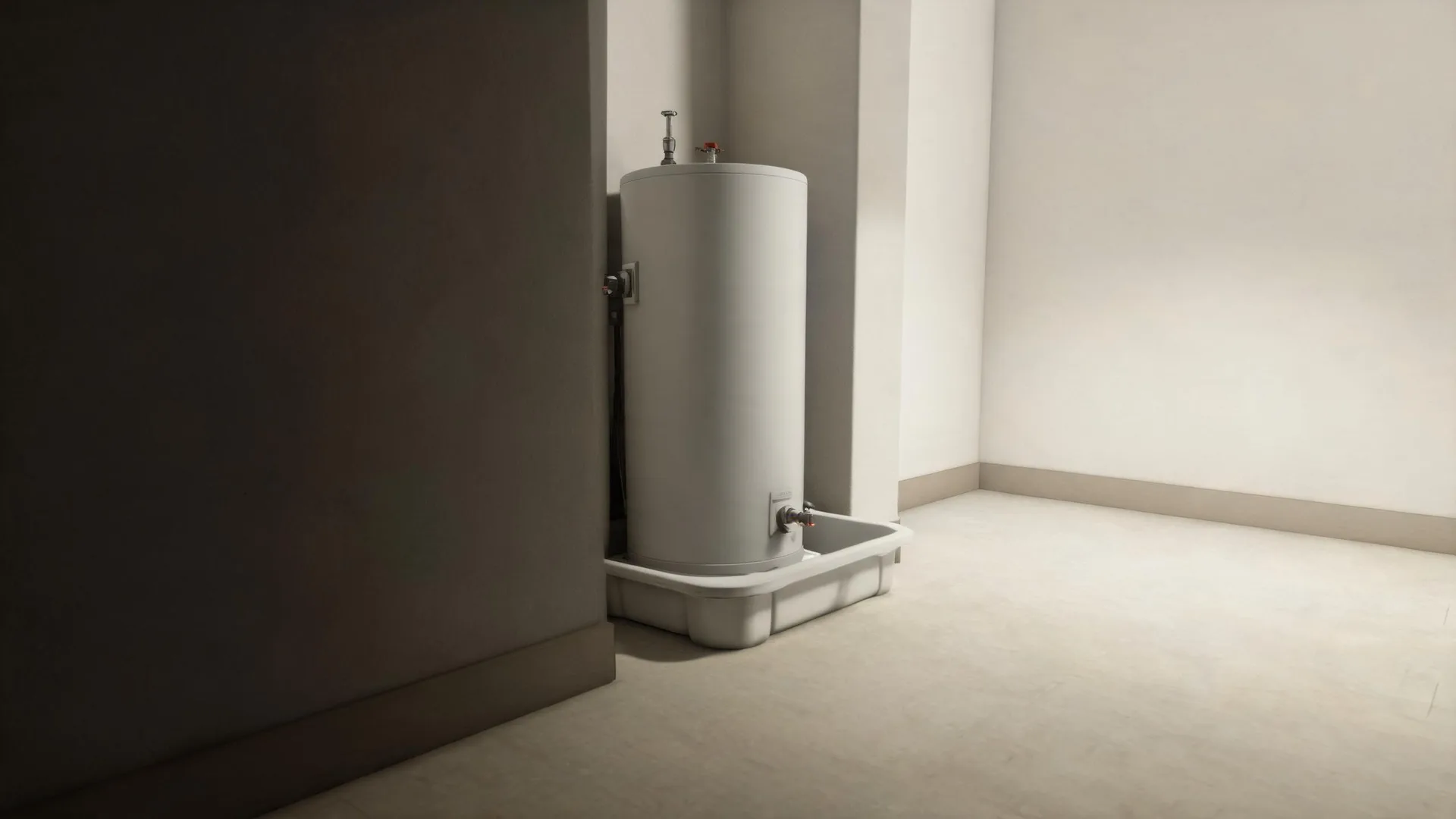
Electric water heaters in this county work through resistance elements and thermostats, and those parts wear against continuous demand rather than seasonal cycling. Electricity heats more occupied homes in Colleton County, South Carolina than any other fuel, at 78.8% (2020-2024 ACS 5-year). A contractor diagnosing a failed unit here checks the upper and lower elements first, then the thermostats, because sediment buildup from a high-draw electric system accelerates element failure in ways that a gas unit's burner wear does not mirror. The anode rod gets pulled and inspected too, since a depleted rod lets the tank corrode from the inside and that damage does not show up until it is already expensive.
A water heater sitting on a house's original plumbing tells a different story than one on updated supply lines. Half the homes in Colleton County, South Carolina were built in 1987 or earlier (2020-2024 ACS 5-year). In stock that old, a contractor opening the unit often finds that the tank itself is the most recently touched component in the system. Corroded inlet connections and heavily depleted anode rods point to years of deferred attention, and sediment that has settled at the bottom of the tank for an extended period changes both the repair scope and the parts a contractor orders. The condition of the surrounding plumbing frequently determines whether a repair holds.
The Parts of a Water Heater a Contractor Checks During a Repair
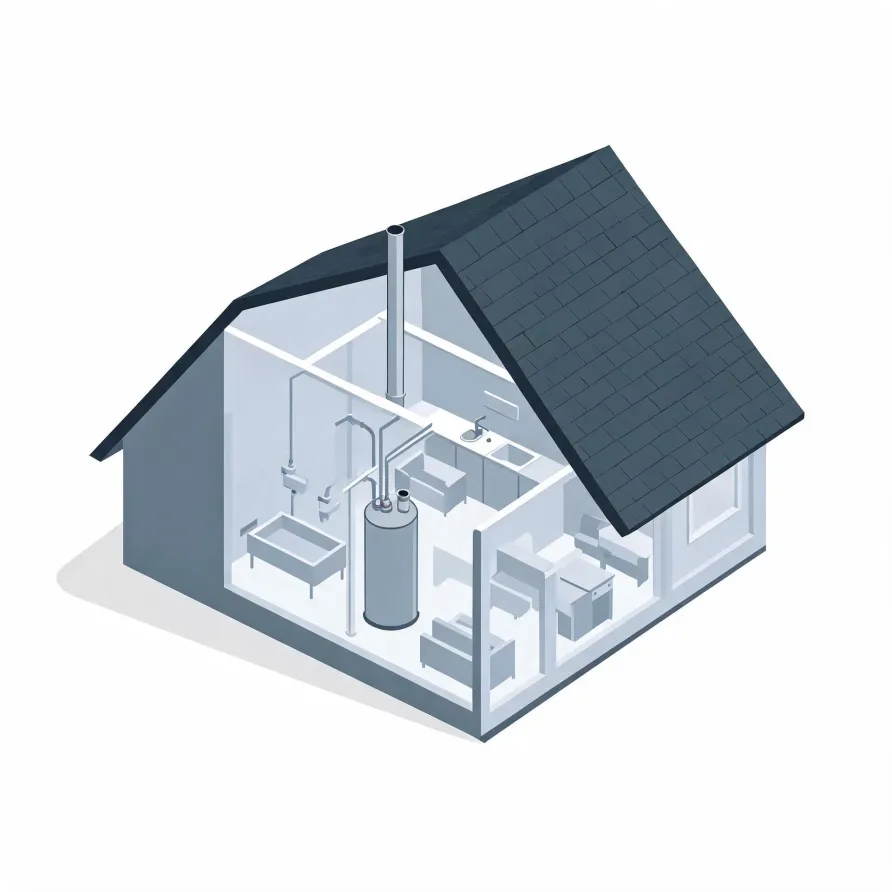
The tank is what most homeowners see first, a large insulated cylinder sitting in a utility room, basement, or garage whose job is to hold water at a steady temperature. Attached to it are the heating elements or burner assembly, which do the actual work of raising the water's temperature, and the thermostat that tells them when to fire and when to stop.
The pressure relief valve sits on the side or top of the tank and opens automatically if pressure inside builds past a safe point. The anode rod hangs inside the tank to slow corrosion, the dip tube carries cold water down to the bottom so hot water can rise to the outlet, and the drain valve at the base is where a contractor accesses the interior.
The drawing shows a general layout of these components, and a licensed contractor determines what applies to the specific unit and setup in your home.
Get matched in Colleton CountyColleton County by the Numbers
614 severe weather events were recorded in Colleton County, South Carolina between 2015 and 2024.
NOAA National Centers for Environmental Information, Storm Events Database, bulk CSV export, events 2015-01-01 through 2024-12-31.Half the homes in Colleton County, South Carolina were built in 1987 or earlier (2020-2024 ACS 5-year).
U.S. Census Bureau, 2020-2024 American Community Survey 5-Year EstimatesColleton County, South Carolina holds 20,083 housing units (2020-2024 ACS 5-year).
U.S. Census Bureau, 2020-2024 American Community Survey 5-Year EstimatesOwners occupy 73.3% of the occupied homes in Colleton County, South Carolina (2020-2024 ACS 5-year).
U.S. Census Bureau, 2020-2024 American Community Survey 5-Year EstimatesCodes & Standards Governing Water Heater Repair in Colleton County, South Carolina1 sourced rules and standards
Licensing and Legal Requirements in Colleton County, South Carolina
South Carolina requires a mechanical contractor license for contracting work whose total cost of construction is greater than ten thousand dollars.
Severe Weather Events in Colleton County
Colleton County's climate puts real demands on water heaters, and storm activity is part of that story. Pressure swings, power disruptions, and temperature shifts that come with severe weather accelerate wear on equipment that was already working hard.
614 severe weather events, 2015–2024. Source: NOAA National Centers for Environmental Information, Storm Events Database.