Tell us about the job
Takes about a minute. No obligation.
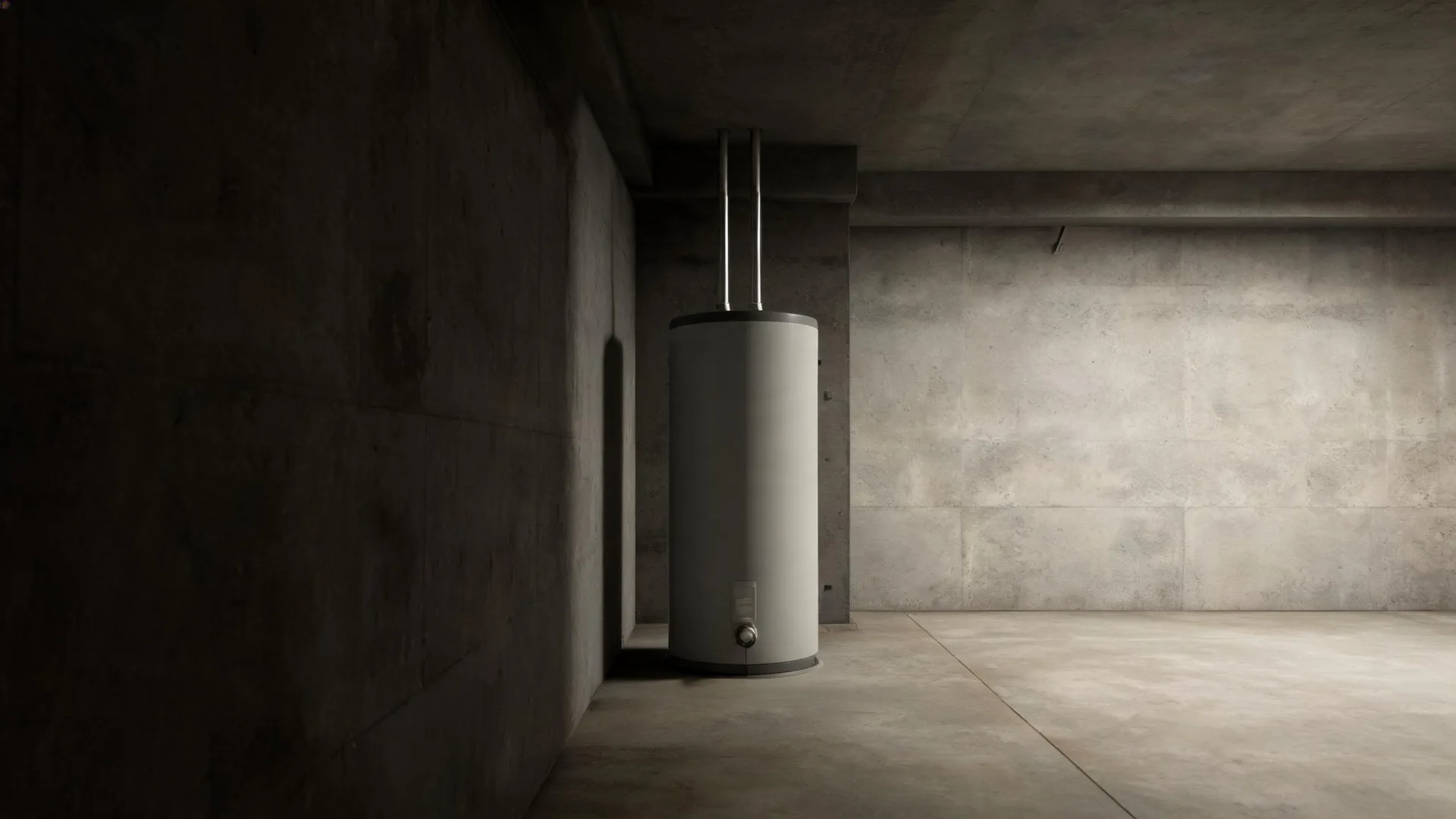
Electric water heaters carry one failure point that everything else depends on: the heating element. Electricity heats more occupied homes in Orangeburg County, South Carolina than any other fuel, at 79.8% (2020-2024 ACS 5-year). When a contractor opens a unit here, the element and its thermostat are the first components they test, because that is where the work lands. Sediment buildup at the bottom of the tank accelerates element wear by forcing it to heat through a layer of mineral deposit rather than water directly. A contractor will also check the anode rod, which slows tank corrosion and is often depleted before the homeowner notices anything wrong.
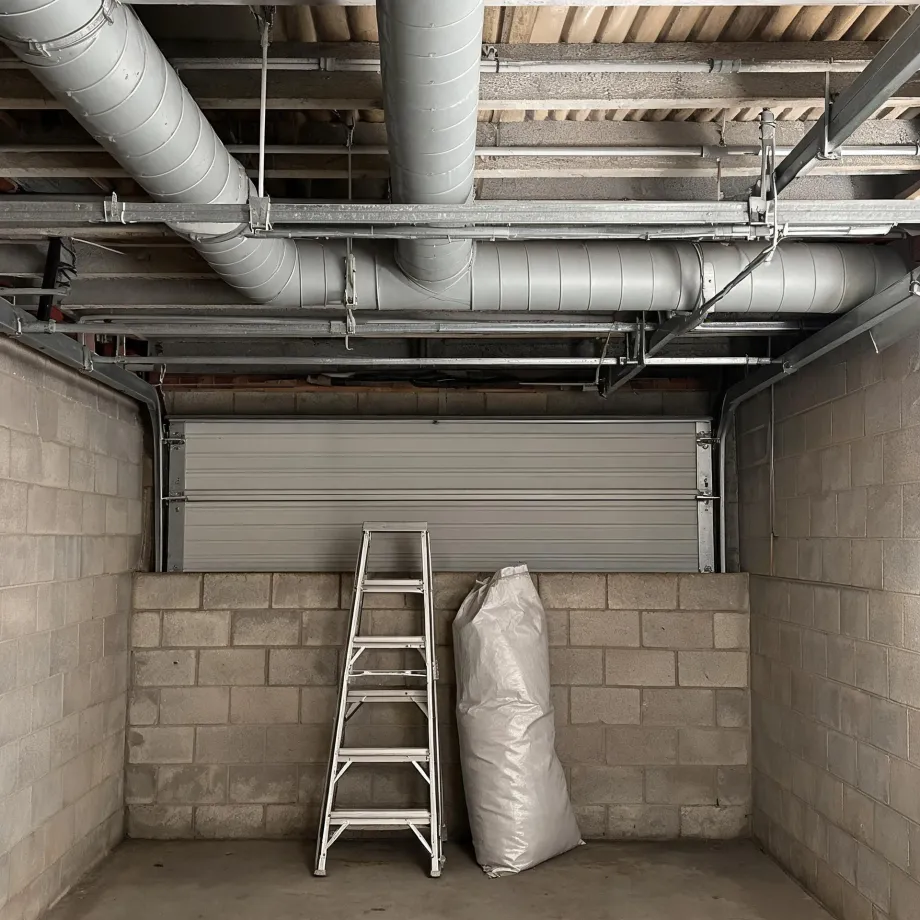
Water heaters in houses this old accumulate problems quietly. Sediment settles at the bottom of the tank across years of use, corroded fittings go unnoticed, and anode rods exhaust themselves without a service visit to catch any of it. By the time a repair call goes out, a contractor opening the system finds layered neglect rather than a single failed component, and the scope of work expands to match what is actually there. Half the homes in Orangeburg County, South Carolina were built in 1983 or earlier (2020-2024 ACS 5-year). That history of deferred service is what shapes a repair estimate here, and a contractor has to work through what the tank holds before they can price it accurately.
The Parts of a Water Heater a Contractor Checks During a Repair
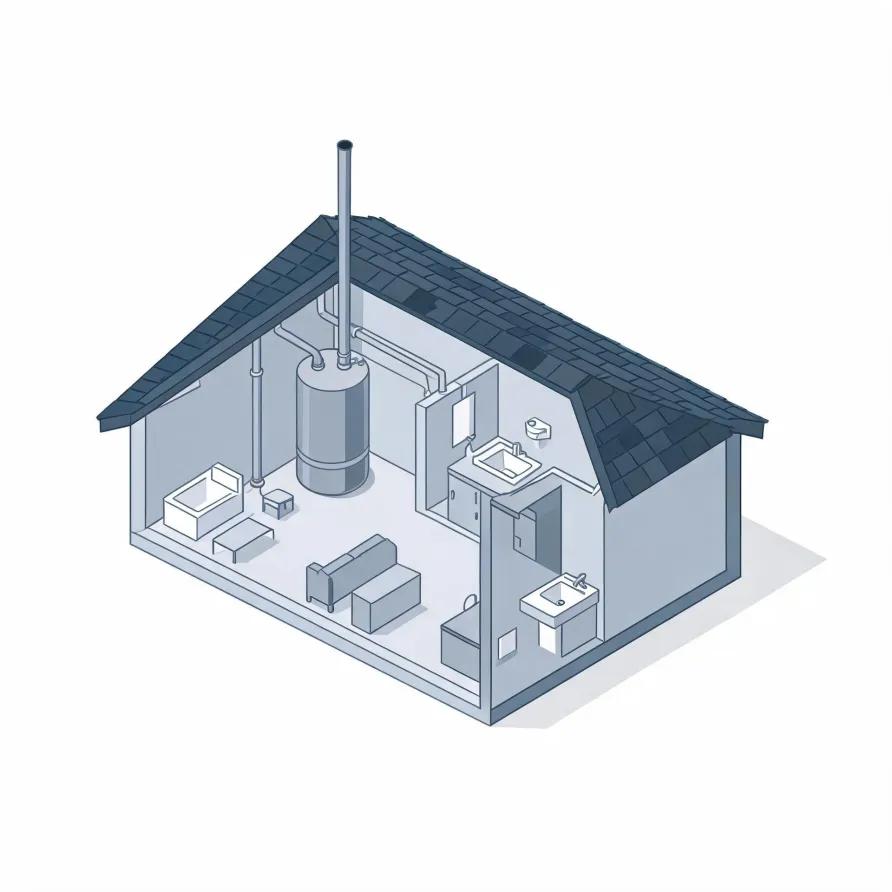
The tank is the piece most homeowners recognize: a tall cylinder that sits in a utility closet, basement, or garage and holds a supply of heated water. When repairs are needed, the tank itself is where a contractor starts, checking for corrosion, sediment buildup at the base, and the condition of the lining.
The pressure relief valve mounts on the side of the tank and opens automatically if pressure inside gets too high. The anode rod runs down through the top of the tank and slows corrosion from the inside out. The thermostat and heating elements, on an electric unit, or the burner assembly and gas valve, on a gas unit, sit low on the tank or beneath it and are the pieces a contractor turns to when the water is not getting hot.
The drawing shows a general layout of a water heater's main components, and a licensed contractor determines which parts apply and what condition they are in for your specific unit.
Find a contractor in Orangeburg CountyOrangeburg County by the Numbers
241 severe weather events were recorded in Orangeburg County, South Carolina between 2015 and 2024.
NOAA National Centers for Environmental Information, Storm Events Database, bulk CSV export, events 2015-01-01 through 2024-12-31.Half the homes in Orangeburg County, South Carolina were built in 1983 or earlier (2020-2024 ACS 5-year).
U.S. Census Bureau, 2020-2024 American Community Survey 5-Year EstimatesOrangeburg County, South Carolina holds 41,527 housing units (2020-2024 ACS 5-year).
U.S. Census Bureau, 2020-2024 American Community Survey 5-Year EstimatesOwners occupy 67.0% of the occupied homes in Orangeburg County, South Carolina (2020-2024 ACS 5-year).
U.S. Census Bureau, 2020-2024 American Community Survey 5-Year EstimatesSevere Weather Events in Orangeburg County
Storms and extreme weather put real stress on water heaters, forcing components to work harder and shortening the gap between service calls. How often that pressure hits depends on where you are, and Orangeburg County has its own record.
241 severe weather events, 2015–2024. Source: NOAA National Centers for Environmental Information, Storm Events Database.