Tell us about the job
Takes about a minute. No obligation.
Electricity heats more occupied homes in York County, South Carolina than any other fuel, at 49.8% (2020-2024 ACS 5-year). A water heater running on electricity cycles its elements and thermostat through every draw the household makes, day and night, across every season. That cycling builds deposits on the lower element first, then drives the upper element harder to compensate. A contractor diagnosing a struggling unit checks both elements and the thermostat under load, because sediment buildup and element burnout each produce symptoms that overlap with control failure. Misreading one for the other changes the parts ordered and the bill paid.
Half the homes in York County, South Carolina were built in 2000 or earlier (2020-2024 ACS 5-year). A water heater sitting in a house of this vintage has had time to accumulate sediment, corrode its fittings, and exhaust its anode rod quietly, all before anything visibly fails. What a contractor finds once the tank or unit is open sets the actual scope: flushing alone, or replacement of components that have reached the end of their useful life. Parts for systems that have been running this long are not always current catalog items, and a contractor has to confirm availability before the job can be priced accurately.
The Parts of a Water Heater a Contractor Checks During a Repair
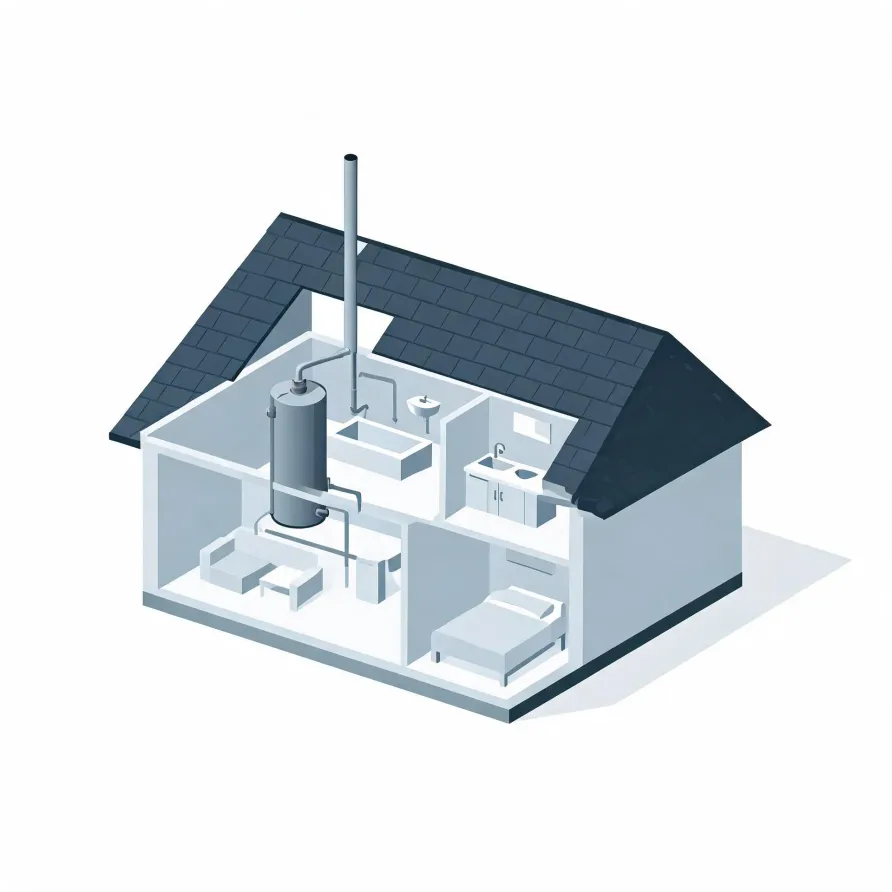
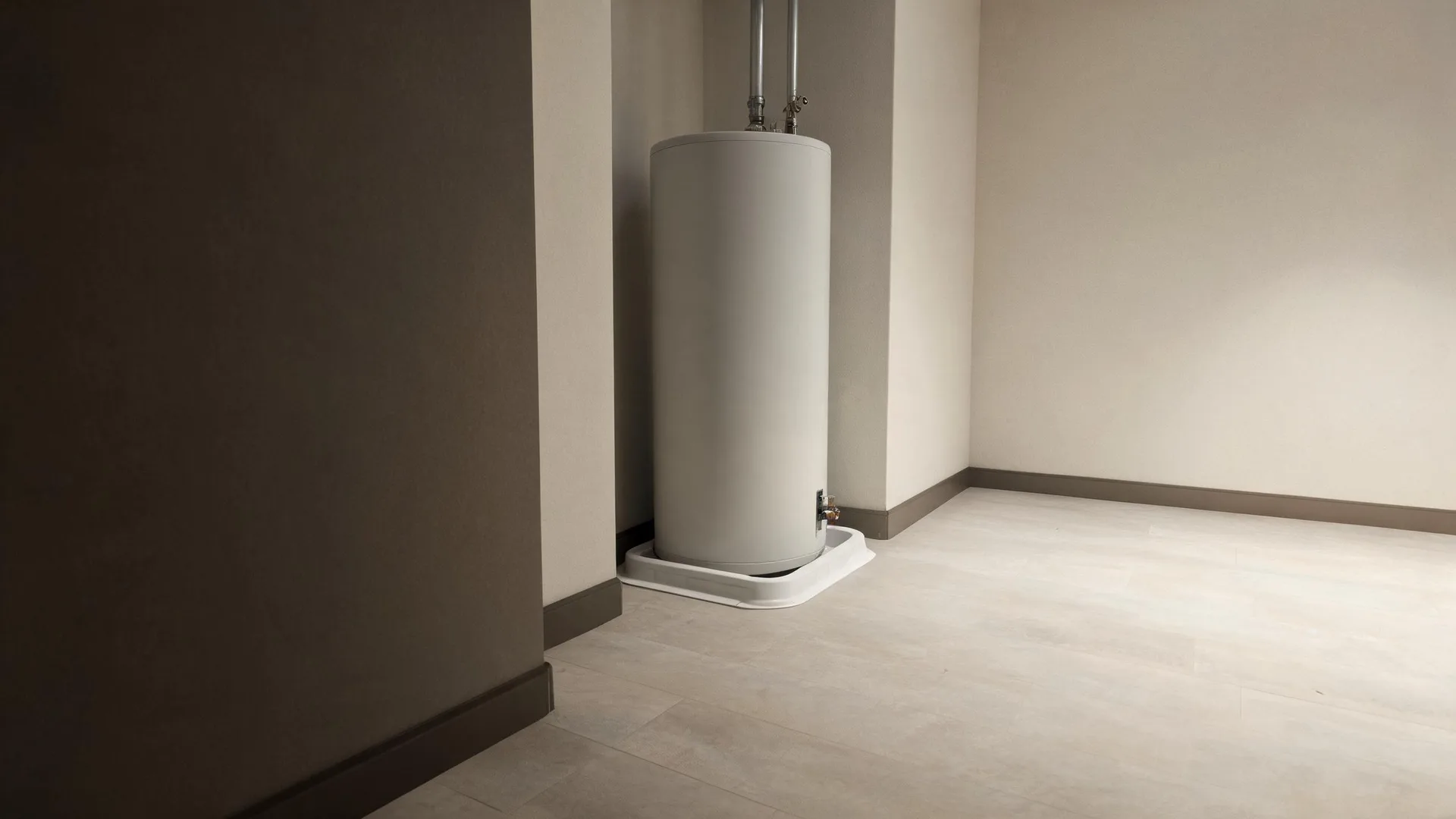
The tank is the centerpiece of the system, usually standing in a utility closet, basement, or garage, and its job is to hold and heat a supply of water on demand. The heating element or burner assembly sits inside or beneath the tank and is where faults most often surface. The thermostat rides alongside it and tells the heater when to fire and when to stop.
The pressure relief valve mounts on the side of the tank and releases pressure if the system builds beyond a safe point. The anode rod hangs inside the tank and slows corrosion of the tank wall. Supply and discharge pipes connect at the top, carrying cold water in and hot water out to the rest of the house.
The drawing shows a typical layout, and a licensed contractor determines which components apply and what repair is needed in your specific home.
Find a contractor in York CountyYork County by the Numbers
122 severe weather events were recorded in York County, South Carolina between 2015 and 2024.
NOAA National Centers for Environmental Information, Storm Events Database, bulk CSV export, events 2015-01-01 through 2024-12-31.Half the homes in York County, South Carolina were built in 2000 or earlier (2020-2024 ACS 5-year).
U.S. Census Bureau, 2020-2024 American Community Survey 5-Year EstimatesYork County, South Carolina holds 120,653 housing units (2020-2024 ACS 5-year).
U.S. Census Bureau, 2020-2024 American Community Survey 5-Year EstimatesOwners occupy 74.5% of the occupied homes in York County, South Carolina (2020-2024 ACS 5-year).
U.S. Census Bureau, 2020-2024 American Community Survey 5-Year EstimatesSevere Weather Events in York County
Storms and temperature swings put real strain on water heaters, pushing them to work harder and fail sooner than they would in mild conditions. How much stress local weather adds is a York County question, not a general one.
122 severe weather events, 2015–2024. Source: NOAA National Centers for Environmental Information, Storm Events Database.