Tell us about the job
Takes about a minute. No obligation.
Electricity heats more occupied homes in Berkeley County, South Carolina than any other fuel, at 77.2% (2020-2024 ACS 5-year). A water heater powered by electricity has no burner, no flue, and no combustion air to worry about, but its heating elements cycle every time the tank loses heat, and in a county where electricity is the dominant fuel, that means the elements and their thermostats are the first components a contractor examines when the unit stops performing. Sediment buildup at the bottom of the tank shortens element life by forcing them to work harder to reach temperature. A contractor looking at a repair here checks element resistance and thermostat calibration before pricing anything else.
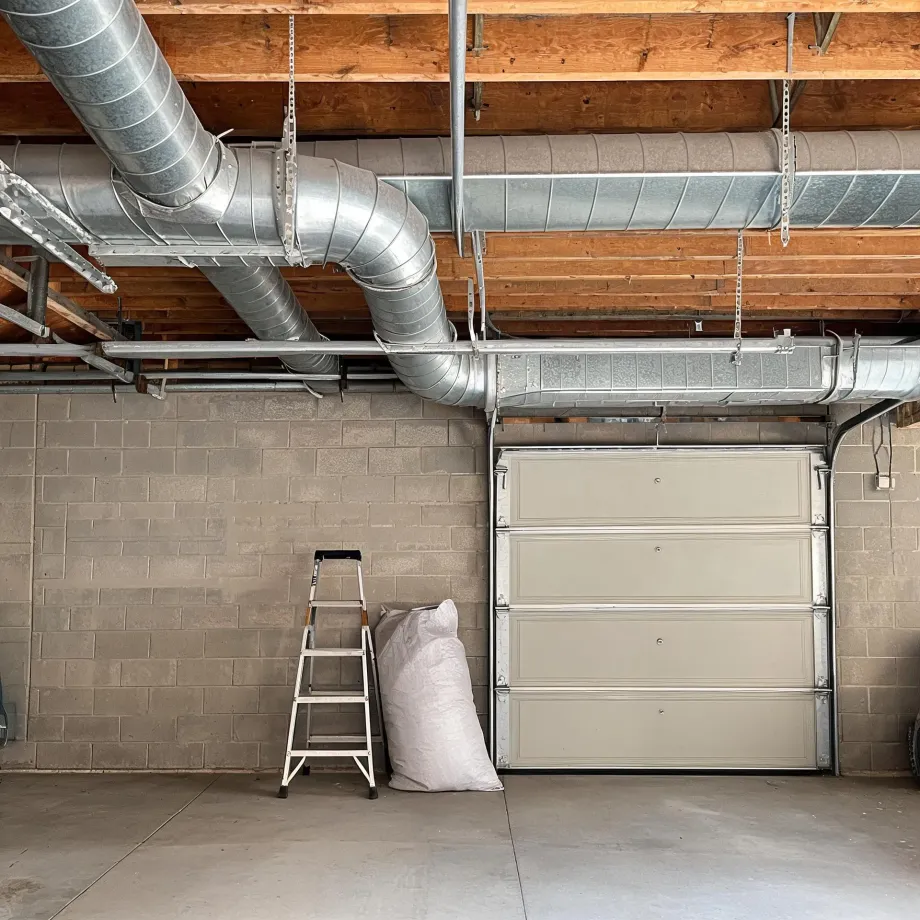
Water heaters sitting in houses built within the last few decades are generally surrounded by infrastructure that was put in for them, not adapted from something older. Wiring, venting, and shutoff access in this stock tend to be what a contractor expects to find. Half the homes in Berkeley County, South Carolina were built in 2002 or earlier (2020-2024 ACS 5-year). That matters for repair work because the question a contractor is answering once the unit is open is about the heater itself, not about what the house can support around it. Corroded elements, failed thermostats, and compromised anode rods do not trace back to the building's age.
The Parts of a Water Heater a Contractor Checks During a Repair
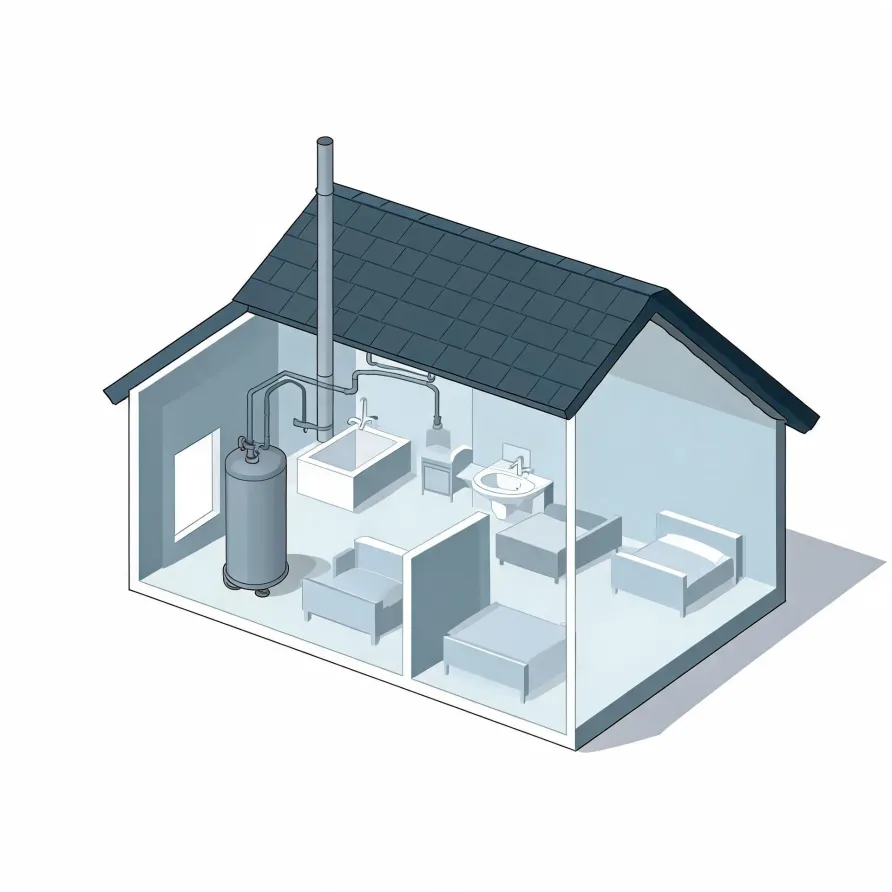
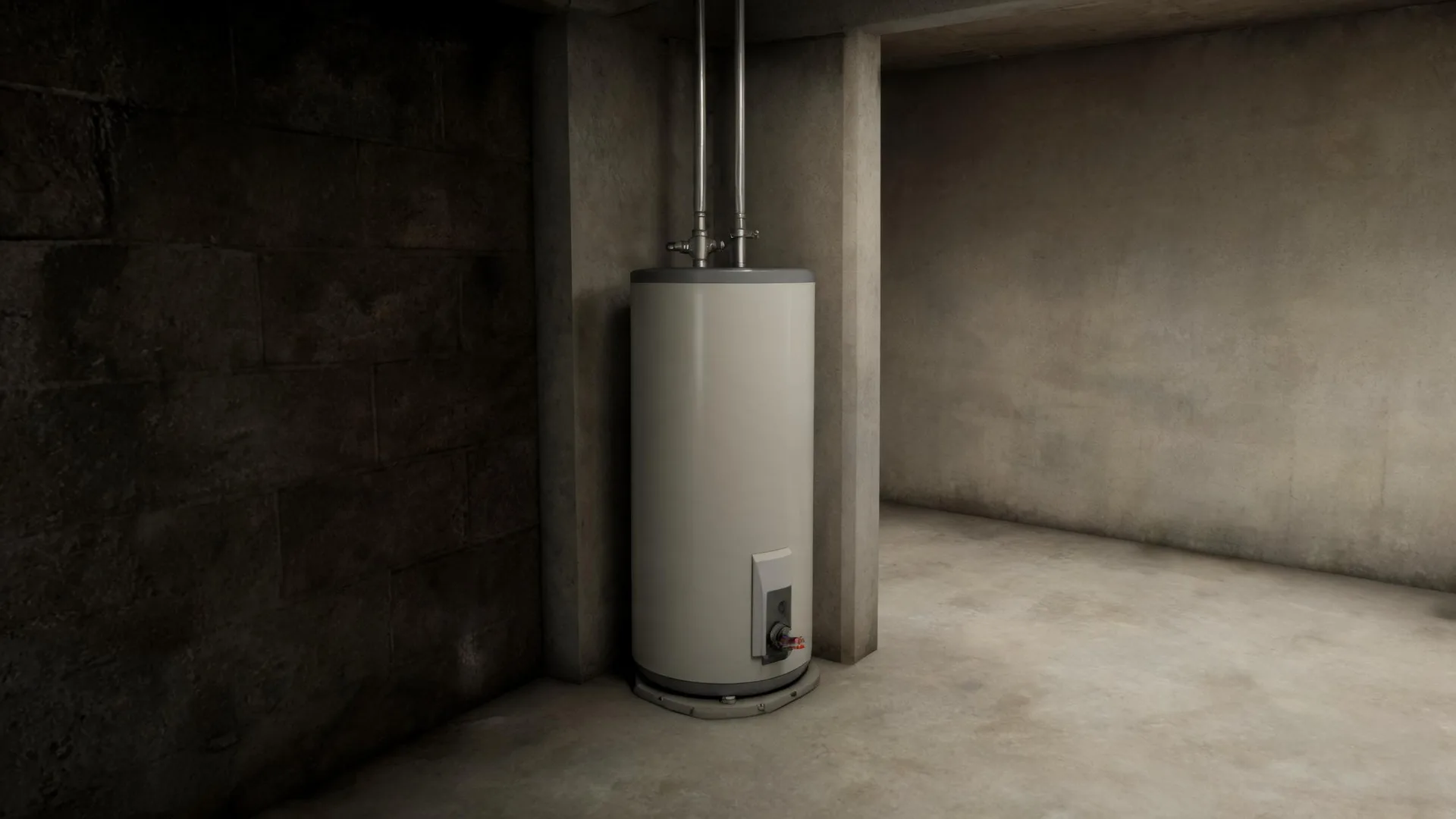
The tank is what most homeowners recognize: a large insulated cylinder, usually standing in a utility room, basement, or garage, that holds and heats a supply of water. Inside it, a heating element or burner assembly does the actual work of raising the water's temperature, and a thermostat tells that component when to run and when to stop.
The pressure relief valve mounts directly on the tank and is the safety device that opens if pressure inside builds too high. A short discharge pipe runs from it toward the floor. The anode rod hangs inside the tank, slowing corrosion of the metal walls, and the dip tube channels incoming cold water to the bottom so it heats before it reaches the outlet.
The drawing shows a typical water heater layout, and a licensed contractor will determine which parts apply to the specific unit and setup in your home.
Get matched in Berkeley CountyBerkeley County, by the numbers
240 severe weather events were recorded in Berkeley County, South Carolina between 2015 and 2024.
NOAA National Centers for Environmental Information, Storm Events Database, bulk CSV export, events 2015-01-01 through 2024-12-31.Half the homes in Berkeley County, South Carolina were built in 2002 or earlier (2020-2024 ACS 5-year).
U.S. Census Bureau, 2020-2024 American Community Survey 5-Year EstimatesBerkeley County, South Carolina holds 100,600 housing units (2020-2024 ACS 5-year).
U.S. Census Bureau, 2020-2024 American Community Survey 5-Year EstimatesOwners occupy 74.5% of the occupied homes in Berkeley County, South Carolina (2020-2024 ACS 5-year).
U.S. Census Bureau, 2020-2024 American Community Survey 5-Year EstimatesCodes & Standards Governing Water Heater Repair in Berkeley County, South Carolina1 sourced rules and standards
Licensing Rules for HVAC Repair in Berkeley County, South Carolina
South Carolina requires a mechanical contractor license for contracting work whose total cost of construction is greater than ten thousand dollars.
Severe Weather Events in Berkeley County
Extreme weather puts real stress on water heaters, driving demand that shows up as repair calls and shortened equipment life. How much of that pressure Berkeley County gets is a local fact, and it shapes what water heater owners here deal with.
240 severe weather events, 2015–2024. Source: NOAA National Centers for Environmental Information, Storm Events Database.