Tell us about the job
Takes about a minute. No obligation.
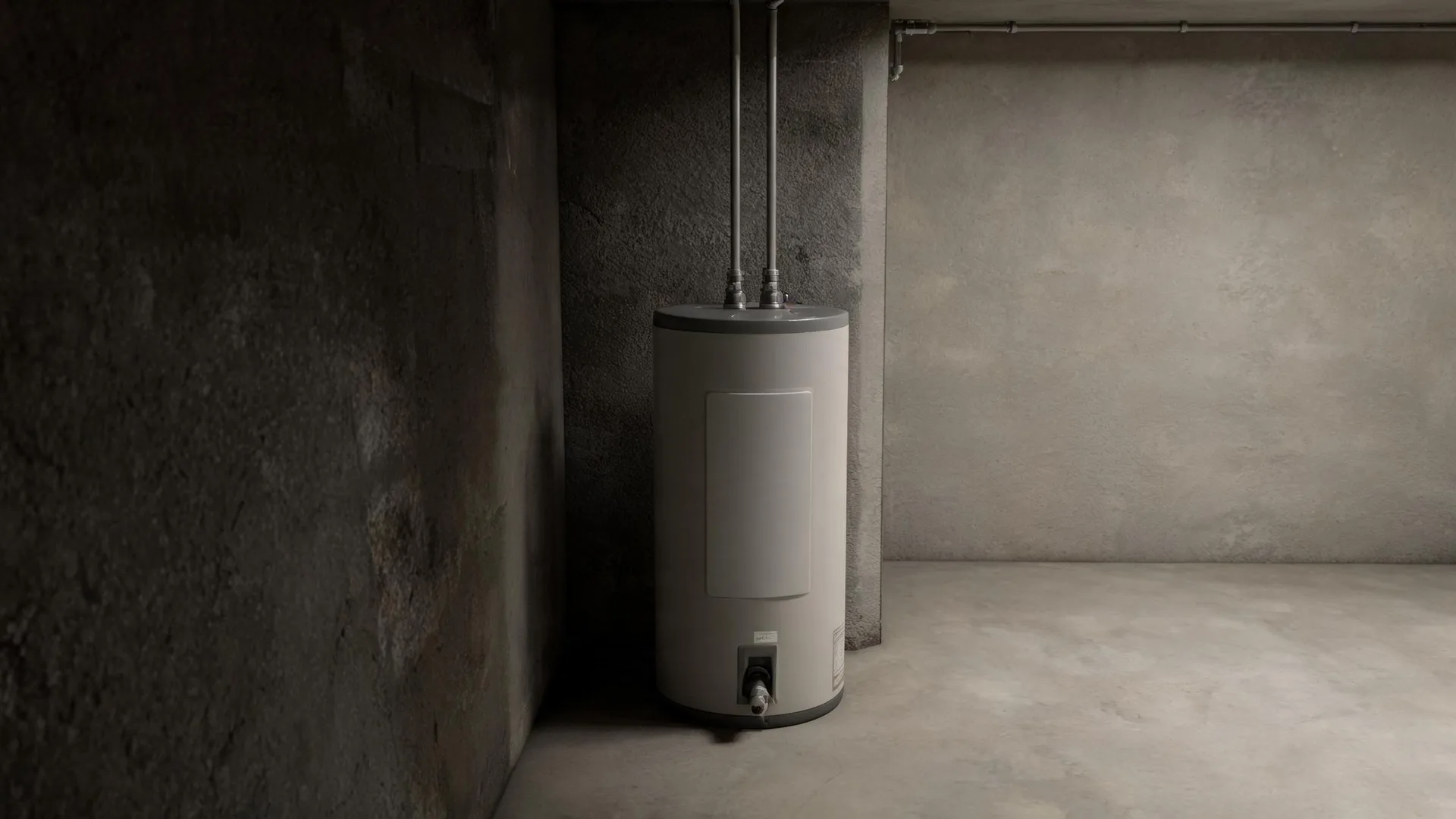
Electricity heats more occupied homes in Dillon County, South Carolina than any other fuel, at 90.1% (2020-2024 ACS 5-year). Electric water heaters put their load on the heating elements and thermostats, not on a burner or a gas valve, so those are the components a contractor checks first when a unit starts failing. Sediment buildup on an electric element accelerates the wear that cycling current already causes. A contractor working a repair here will pull the elements before looking anywhere else, because that is where the failure is.
Water heaters in housing this old have usually been replaced at least once, and whatever is running now may itself be well past the point where parts come off a shelf quickly. Half the homes in Dillon County, South Carolina were built in 1984 or earlier (2020-2024 ACS 5-year). A contractor who opens a unit here has to identify the exact make and model before quoting, because what the system actually takes sometimes requires sourcing rather than ordering. That gap between what a water heater needs and what a supplier carries is where repair timelines stretch.
The Parts of a Water Heater a Contractor Checks During a Repair
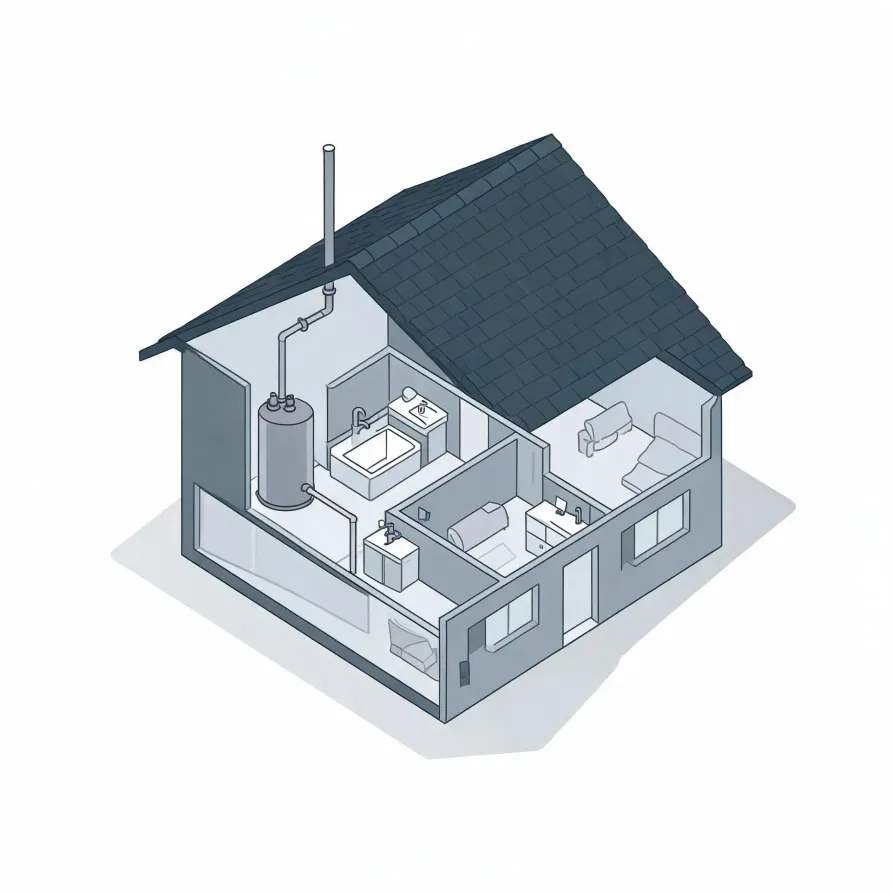
The tank is the piece most homeowners know on sight, sitting in a utility room, basement, or garage closet. It holds and heats a supply of water, and when a repair call comes in, the tank itself, its pressure relief valve, and its drain valve are all early stops. A failed relief valve or a corroded drain valve are common sources of leaks.
The heating elements or burner assembly sit inside or beneath the tank depending on whether the unit runs on electricity or gas. A gas unit also has a thermocouple and a gas control valve near the base that regulate ignition and fuel flow. The anode rod runs through the interior and is a frequent reason water quality or odor problems get traced back to the heater itself.
The drawing shows a general layout of these components, and a licensed contractor determines which of them apply and what condition they are in for your specific unit and installation.
Find a contractor in Dillon CountyDillon County by the Numbers
48 severe weather events were recorded in Dillon County, South Carolina between 2015 and 2024.
NOAA National Centers for Environmental Information, Storm Events Database, bulk CSV export, events 2015-01-01 through 2024-12-31.Half the homes in Dillon County, South Carolina were built in 1984 or earlier (2020-2024 ACS 5-year).
U.S. Census Bureau, 2020-2024 American Community Survey 5-Year EstimatesDillon County, South Carolina holds 12,914 housing units (2020-2024 ACS 5-year).
U.S. Census Bureau, 2020-2024 American Community Survey 5-Year EstimatesOwners occupy 64.7% of the occupied homes in Dillon County, South Carolina (2020-2024 ACS 5-year).
U.S. Census Bureau, 2020-2024 American Community Survey 5-Year EstimatesSevere Weather Events in Dillon County by Year
Extreme weather puts real stress on water heaters, forcing equipment to work harder and recover faster than it would under mild conditions. How often that happens in Dillon County shapes how much wear local units actually take, which is why weather history belongs on a page about repair.
48 severe weather events, 2015–2024. Source: NOAA National Centers for Environmental Information, Storm Events Database.