Tell us about the job
Takes about a minute. No obligation.
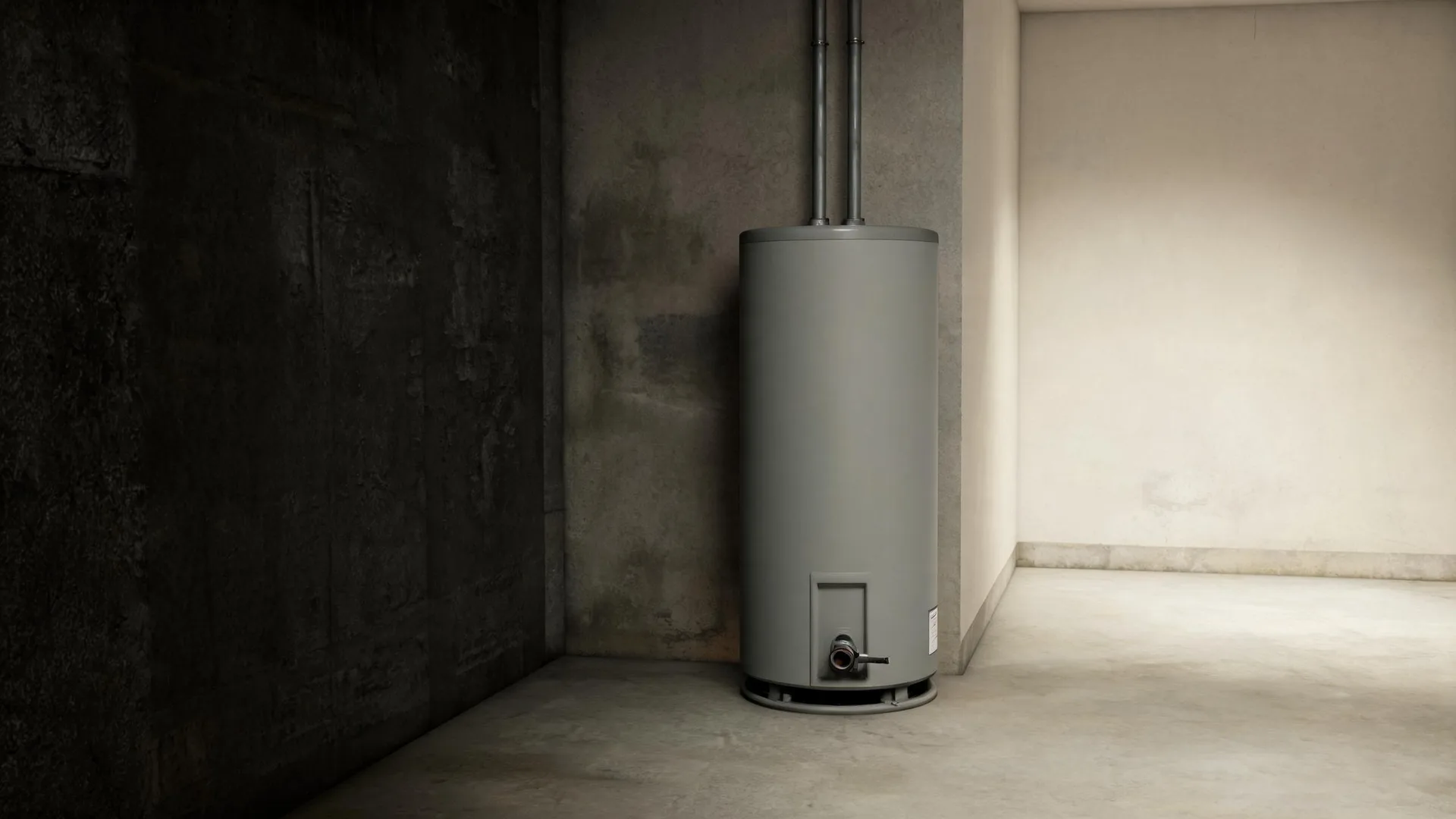
What fuel a home runs on decides what a replacement water heater is allowed to be and what the installation requires. Electricity heats more occupied homes in Greenwood County, South Carolina than any other fuel, at 67.7% (2020-2024 ACS 5-year). That share means most replacement jobs in this county involve an electric unit, and the electrical panel becomes the first thing a contractor checks. A service panel that cannot carry the draw of a larger or more efficient element will limit which models are viable, and installing past that limit puts the element itself at risk of repeated failure. The wiring run, the breaker size, and the panel headroom are all part of what a contractor quotes around here before a unit is ever chosen.
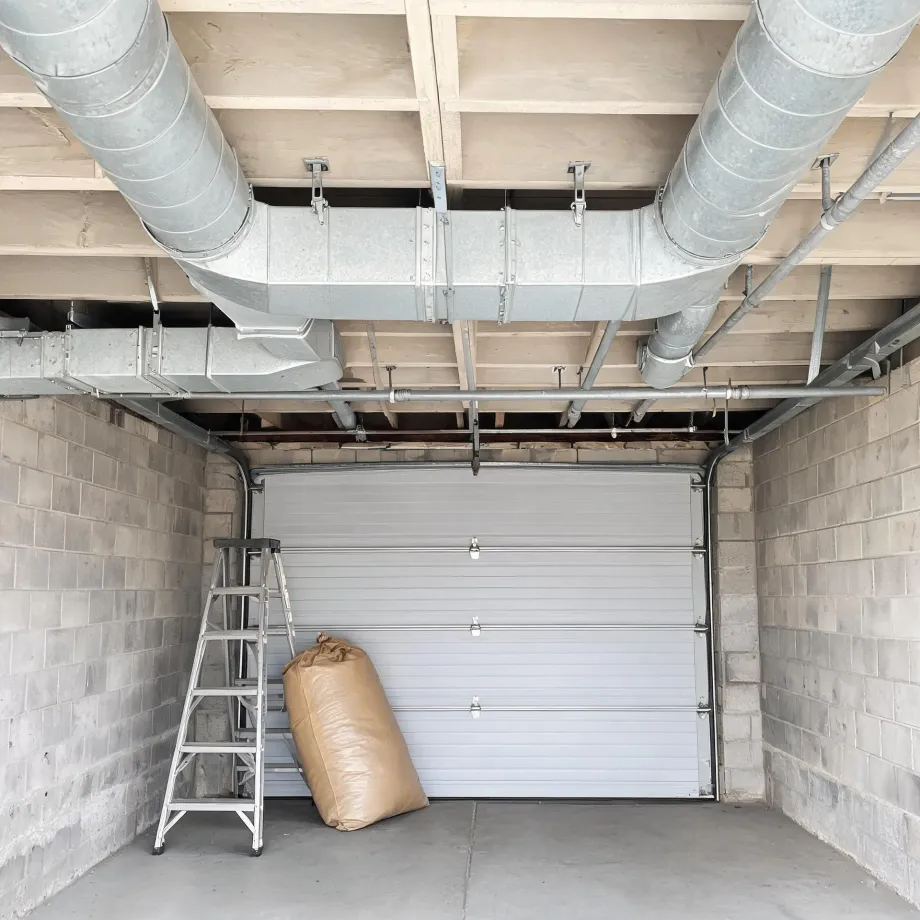
Existing ductwork and electrical service in a house are either assets or obstacles, and in Greenwood County they are more often the latter. Half the homes in Greenwood County, South Carolina were built in 1977 or earlier (2020-2024 ACS 5-year). Housing that old was built around equipment that has since been replaced, and the runs, clearances, and panel loads it left behind were sized for something different. A contractor installing a water heater here reads what the house already has before pricing what goes in, because the routing and the service capacity are what drive the scope.
What a Water Heater Installation Covers
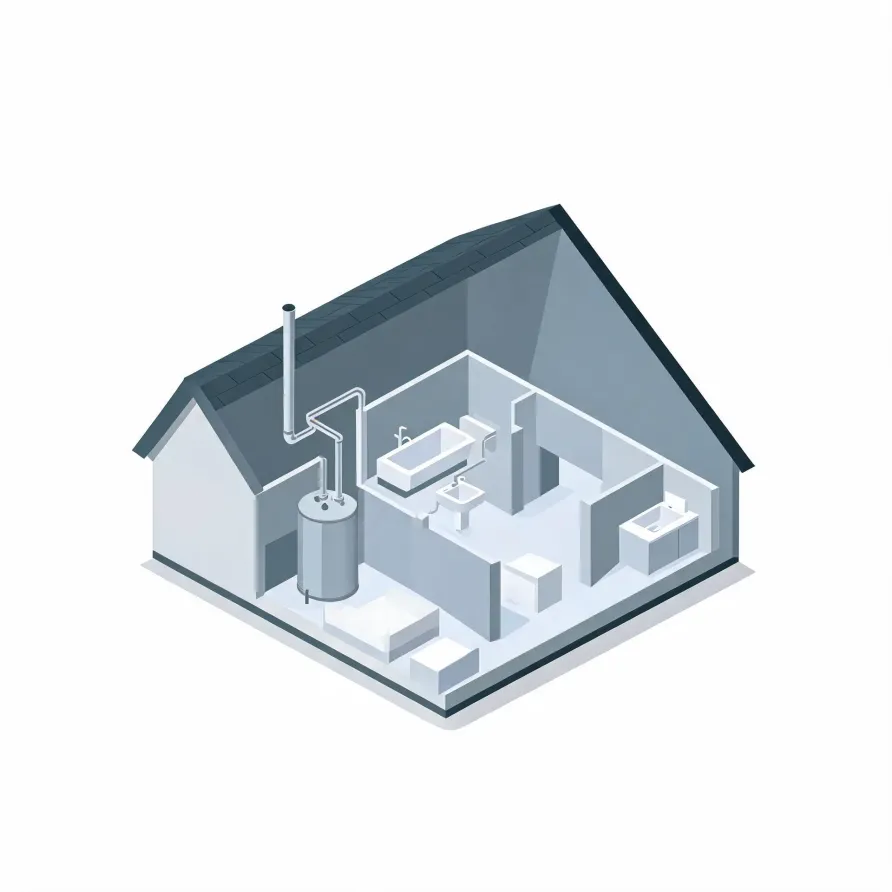
The tank or tankless unit is the centerpiece of the system, sitting in a utility closet, basement, or garage depending on how the house was built. A contractor sets it in place, connects it to the household water supply lines, and ties it into the fuel source, whether that is a gas line or an electrical circuit.
A pressure relief valve mounts directly on the unit and serves as a safety release if pressure inside the tank climbs too high. A drain line runs from that valve to a safe discharge point, and in most installations a dedicated shutoff valve is fitted on the cold-water inlet so the unit can be isolated without cutting water to the rest of the house.
The drawing shows a typical layout, and a licensed contractor determines exactly what applies to your home's configuration.
Find a contractor in Greenwood CountyGreenwood County, by the numbers
69 severe weather events were recorded in Greenwood County, South Carolina between 2015 and 2024.
NOAA National Centers for Environmental Information, Storm Events Database, bulk CSV export, events 2015-01-01 through 2024-12-31.Half the homes in Greenwood County, South Carolina were built in 1977 or earlier (2020-2024 ACS 5-year).
U.S. Census Bureau, 2020-2024 American Community Survey 5-Year EstimatesGreenwood County, South Carolina holds 31,702 housing units (2020-2024 ACS 5-year).
U.S. Census Bureau, 2020-2024 American Community Survey 5-Year EstimatesOwners occupy 67.0% of the occupied homes in Greenwood County, South Carolina (2020-2024 ACS 5-year).
U.S. Census Bureau, 2020-2024 American Community Survey 5-Year EstimatesSevere Weather Events in Greenwood County
Extreme weather puts water heaters under stress, shortening service life and driving demand at the worst possible times. How often that pressure hits depends on where you live, which makes local conditions part of the installation conversation.
69 severe weather events, 2015–2024. Source: NOAA National Centers for Environmental Information, Storm Events Database.