Popping, but still working fine
This is what a water heater sounds like with sediment still breaking up: popping while it heats, then quiet. The tank itself is sound, the panels are intact, and hot water still comes when you ask for it.

You hear it most when the tank is heating up: a series of pops or rumbles from down inside it. It's not subtle, and it's loud enough to notice from another room, which is probably why you're checking on it now instead of ignoring it.
The popping comes from sediment, mostly minerals out of the water supply, that has settled on the bottom of the tank over time. When the heating element or burner heats the water, it has to heat through that layer first. Water gets trapped underneath the sediment, turns to steam, and pops through. The harder your water, the faster this builds up. It's more of a nuisance in an electric tank, which most homes here have, since the lower heating element sits right where sediment collects. The noise alone won't stop the tank from working, but a thick enough layer makes the element work harder to heat the water above it, and that element can burn out sooner than it should.
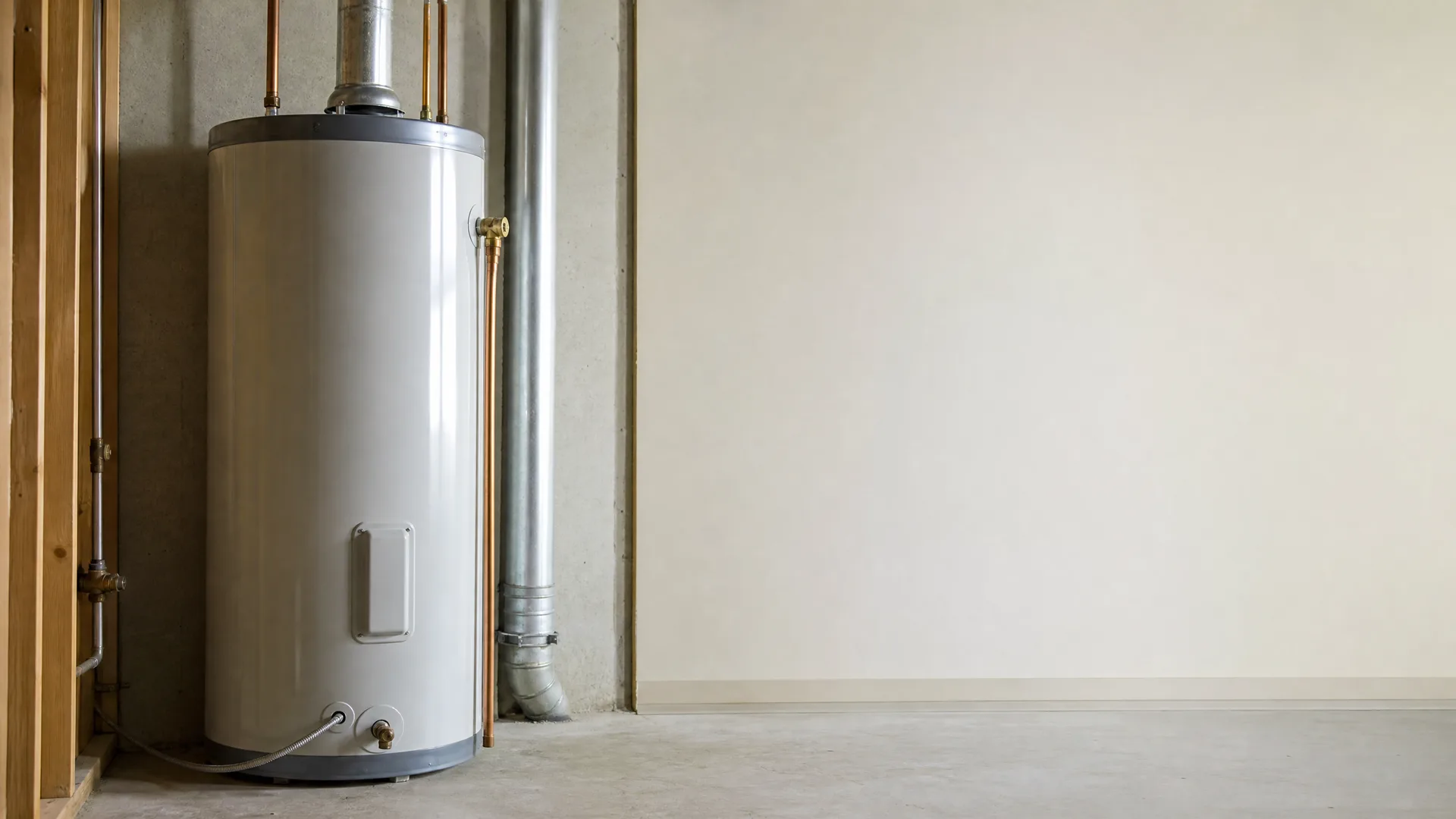
Most water heaters in South Carolina run on electricity, and the lower heating element sits down in the tank where sediment settles. As water scales and minerals drop out, they form a layer over that element. When the element fires, water trapped under and inside that layer flashes to steam, and the steam bubbles push up through the sediment. That's the popping. It's a mechanical reaction, not a sign the tank is about to fail, though it does mean sediment has built up enough to notice.

The sediment layer doesn't wash away on its own, it just keeps collecting with every heating cycle. A thin layer might only pop a few times before the water reaches temperature. A thicker one pops longer and louder, and it also makes the element work harder to heat water through it. That's extra strain on the element itself, and it's part of why a tank that's been popping for months may start recovering hot water more slowly than it used to.

The popping itself won't hurt anything in the moment, but the layer causing it does. Sediment sitting on that lower element acts like insulation between the element and the water it's supposed to heat. The element has to work harder and run longer to get the same water hot, and in a state where you're running the AC hard all summer, you don't need another appliance pulling more power than it should. You may also notice the hot water running out faster than it used to, since the sediment takes up space that used to hold water.
Left alone, that layer keeps building, and the element underneath it is working against a buildup it was never designed to push through. A local plumber who services water heaters around South Carolina all year can tell from the sound and the tank's age whether it's a flush or something more. Getting matched with one means a single licensed contractor familiar with these tanks looks at yours, instead of your phone number going out to a handful of companies at once.

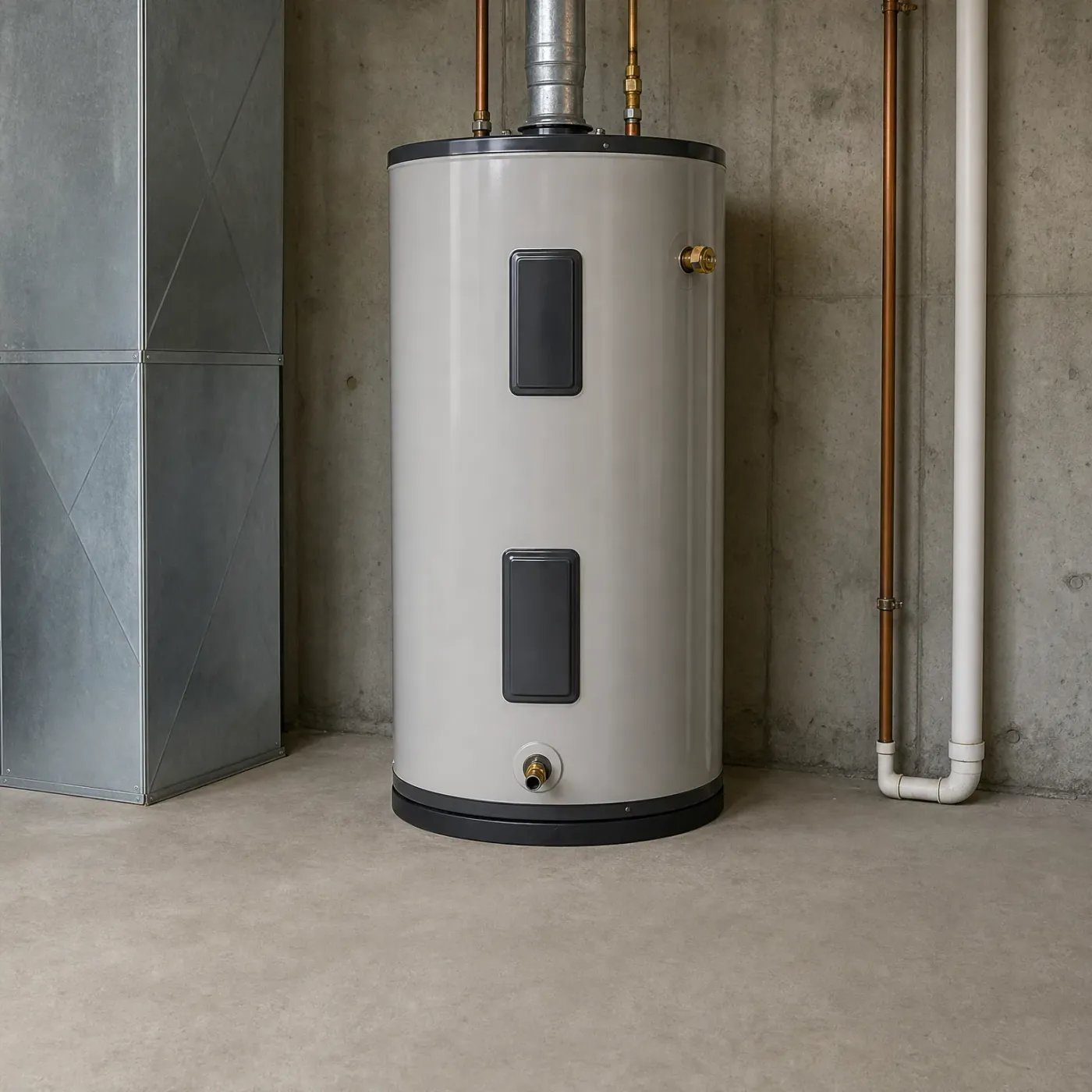
This is what a water heater sounds like with sediment still breaking up: popping while it heats, then quiet. The tank itself is sound, the panels are intact, and hot water still comes when you ask for it.
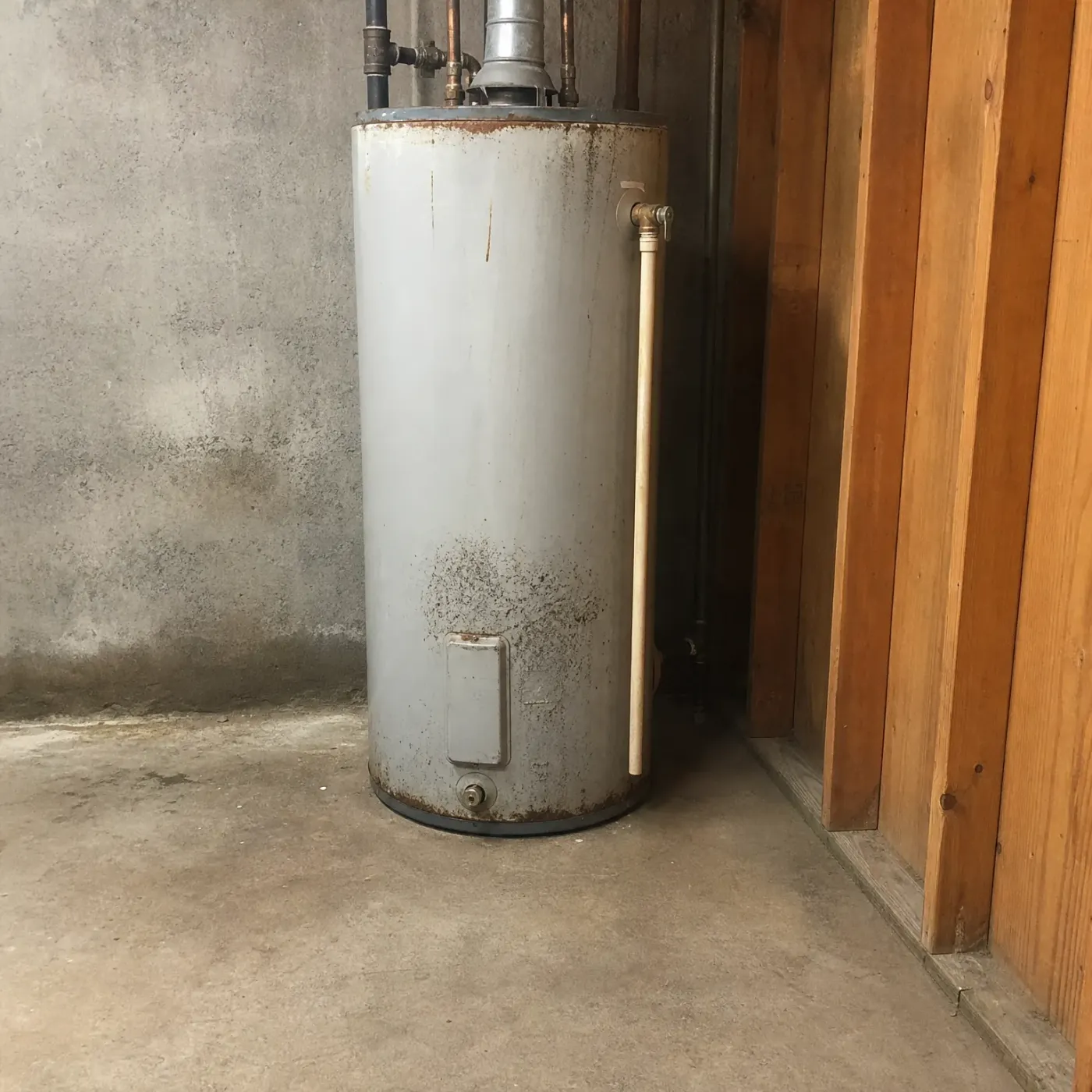
Years of sediment sitting against the tank wall can wear it thin from the inside. That's rust and corrosion through the steel, soot near the base, a tank that's failing rather than just noisy.




Your request stays with one local pro.
You're not committing to anything by asking.
Leave the popping alone and you keep the layer. It stays on that lower element, your water heater works harder to heat the same tank, and the noise keeps showing up every time it cycles on.
Have the element and tank checked and you find out what's actually down there. A local contractor who works on these every week can tell you if it's a flush or something past that, and you stop guessing at the sound.
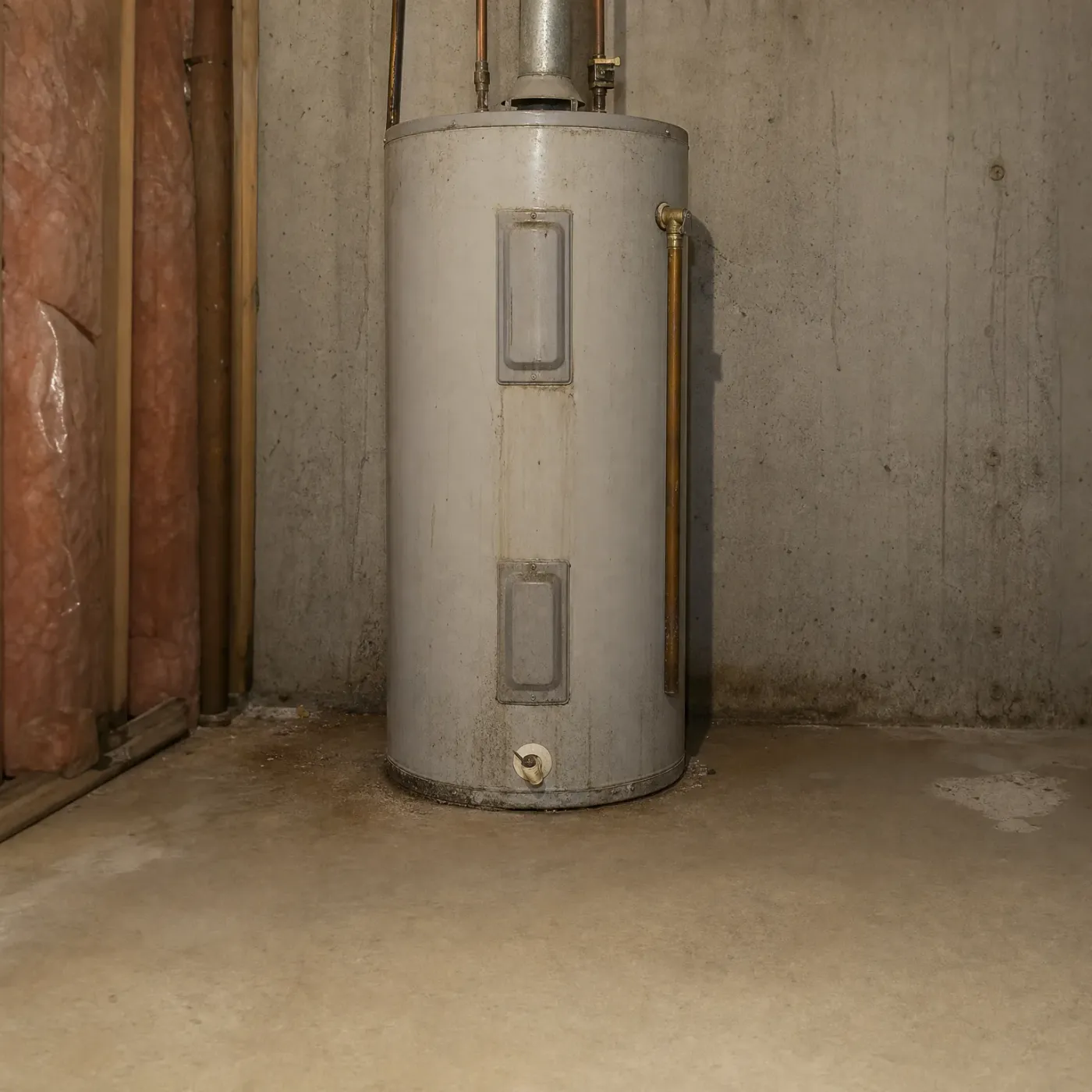
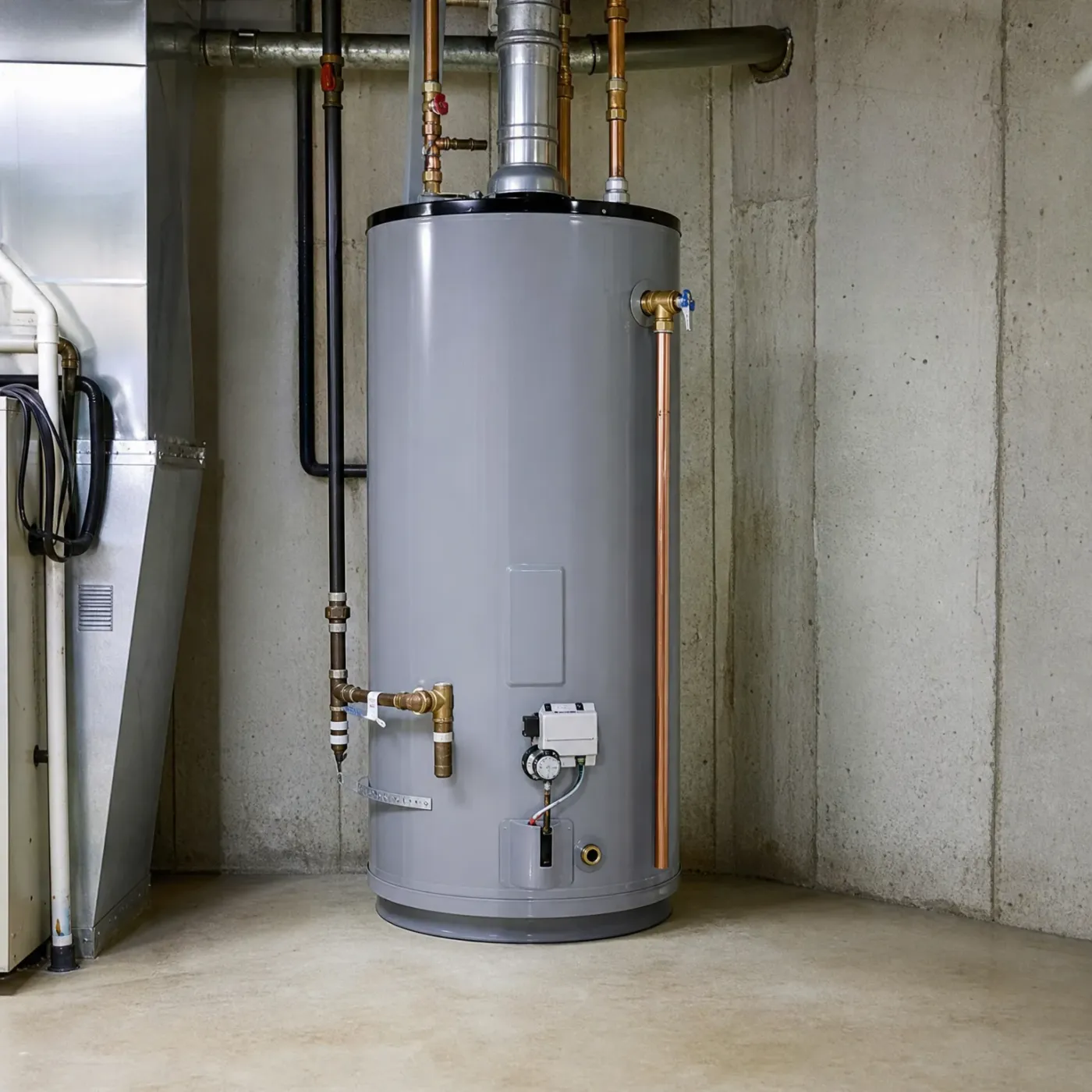
A tank flush clears loose sediment before it bakes onto the element, and it's something you can do with a garden hose and the drain valve at the bottom of the tank. If the popping is new and mild, a flush might quiet it down for a while. But if sediment has already hardened onto that lower element, a flush won't touch it. You'll run the hose, hear the same popping the next time the tank heats, and know the layer is still there.
A contractor who works on water heaters can pull the lower element and look at what's actually built up on it. If the element is coated and the popping is loud and frequent, cleaning or replacing it is the only way to stop the strain it's putting on the tank. This also catches it before the element burns out or the tank takes damage from the heat buildup. You find out whether you're dealing with a quick fix or something further along, instead of guessing from the sound alone.


You probably noticed it because the house was quiet and the tank wasn't. A pop or rumble every time the water heater kicks on, sometimes a string of them, loud enough to carry into the next room. Check the water while you're at it. If it's taking longer to run hot, or the hot water doesn't last like it used to, that's the same sediment at work. Left alone, that lower element keeps straining to heat through the buildup on it, and elements that overheat like that are the ones that burn out. For a house with people relying on hot water every day, that usually means it fails without warning instead of on your schedule.
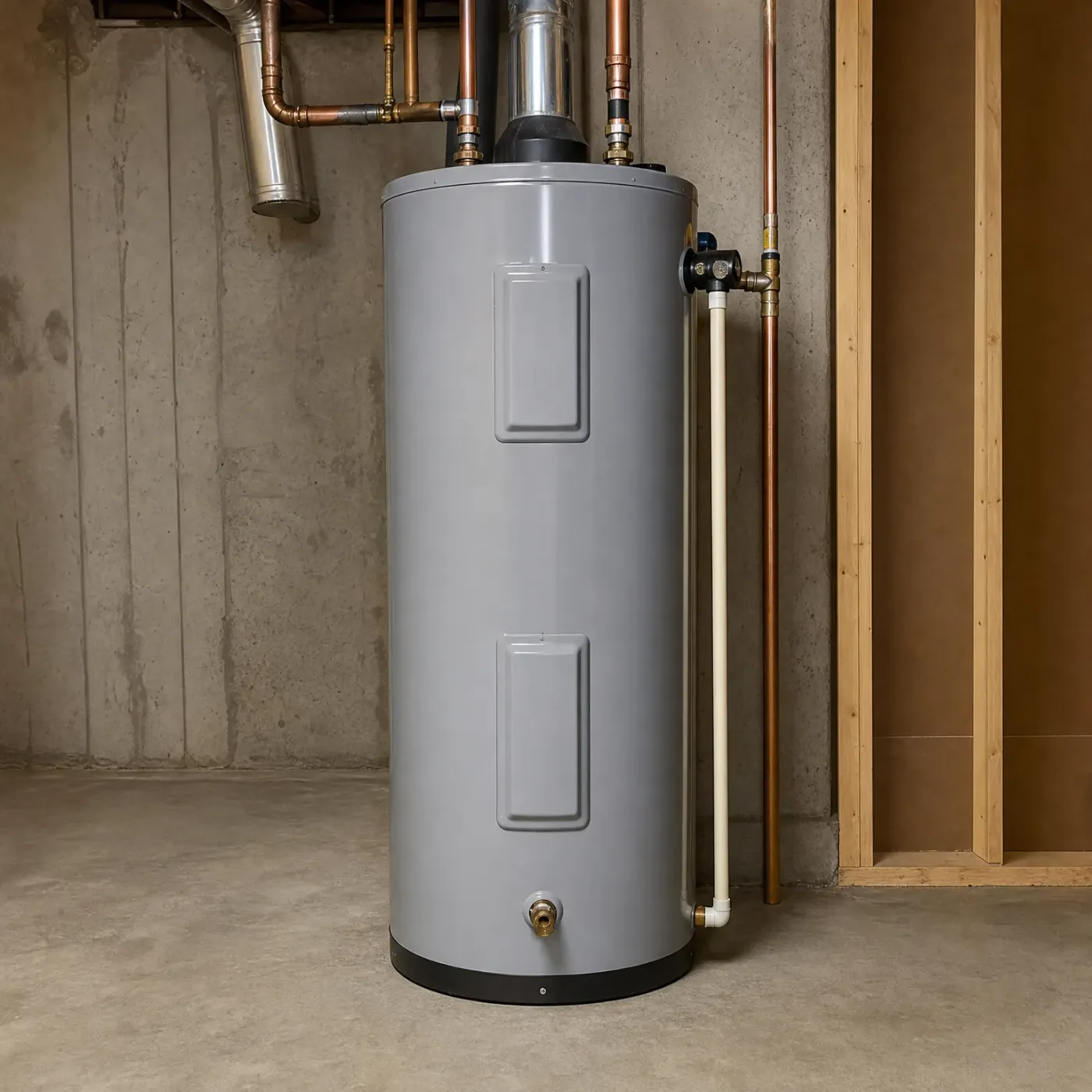
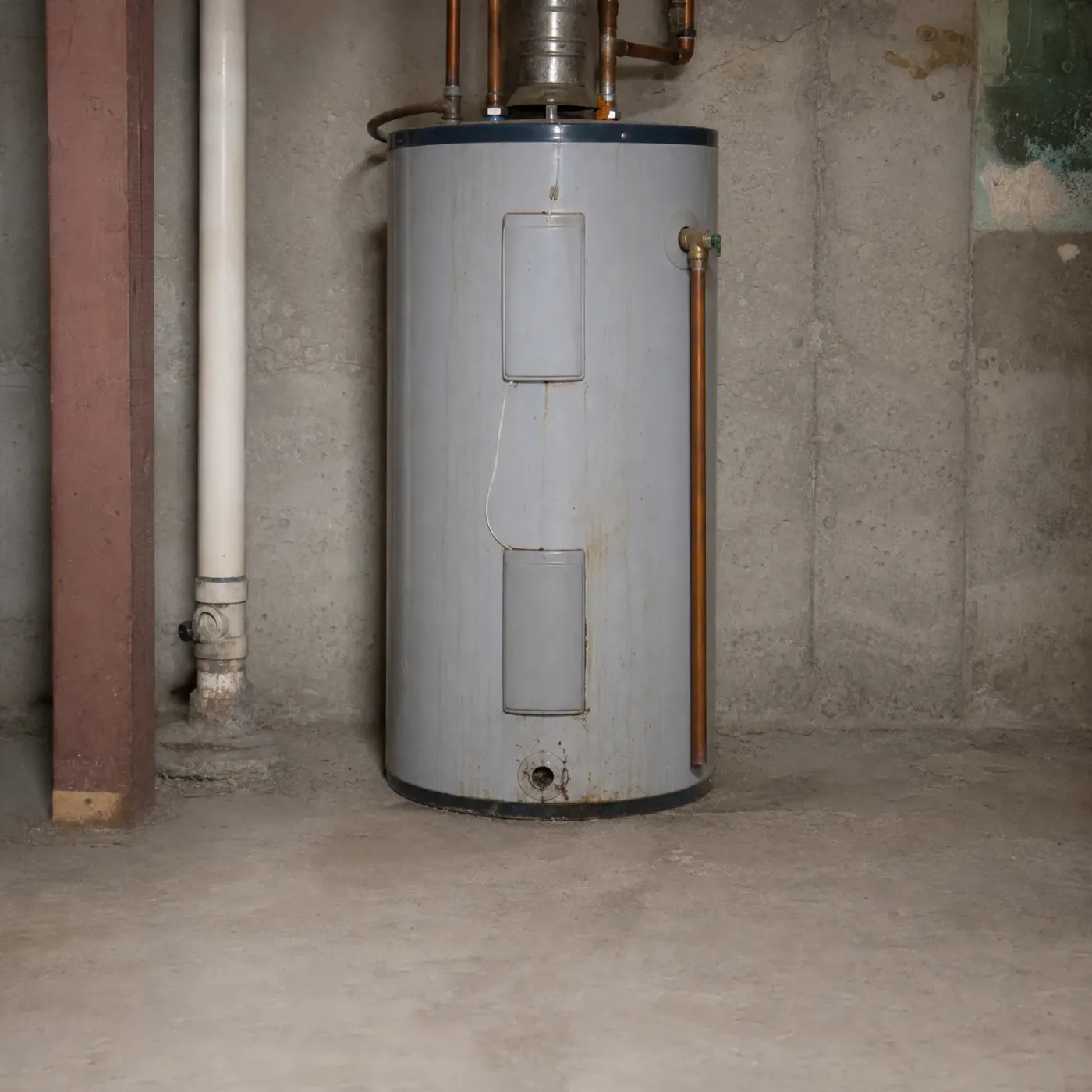
With most South Carolina homes heating water by electricity, that lower element is doing the work day in and day out. A sediment layer on it doesn't just cause the popping, it makes the element work harder to heat the same tank, year after year.
ACS 2020-2024 5-year B25040
Sediment settles on the lower heating element over time.
Water trapped under the sediment turns to steam.
Steam bubbles force their way up through the layer.
Those bubbles bursting against the tank make the popping.
The popping is steam breaking through sediment sitting on that lower element, and the sound alone won't tell you whether that layer is still loose or already baked on hard. That's the part worth having someone look at, because a flush that works on loose sediment does nothing for a crusted element, and an element working under a hardened layer is closer to failing than one that's just coated. A local contractor who services water heaters all over South Carolina has pulled plenty of lower elements and seen the difference between normal buildup and a tank heading toward a bigger repair. Getting matched with one means someone who already knows what electric water heaters here tend to need comes out to look at yours, not a string of different companies competing for the job. You'll know either way once it's been checked: the tank's fine and the noise is just sediment doing what sediment does, or there's an element or a tank that needs attention before it becomes a bigger problem. Either answer tells you where you stand.





Your request goes to one pro, not a list of companies.
It costs nothing to send, and you don't have to hire anyone.