

A tank that's still doing its job
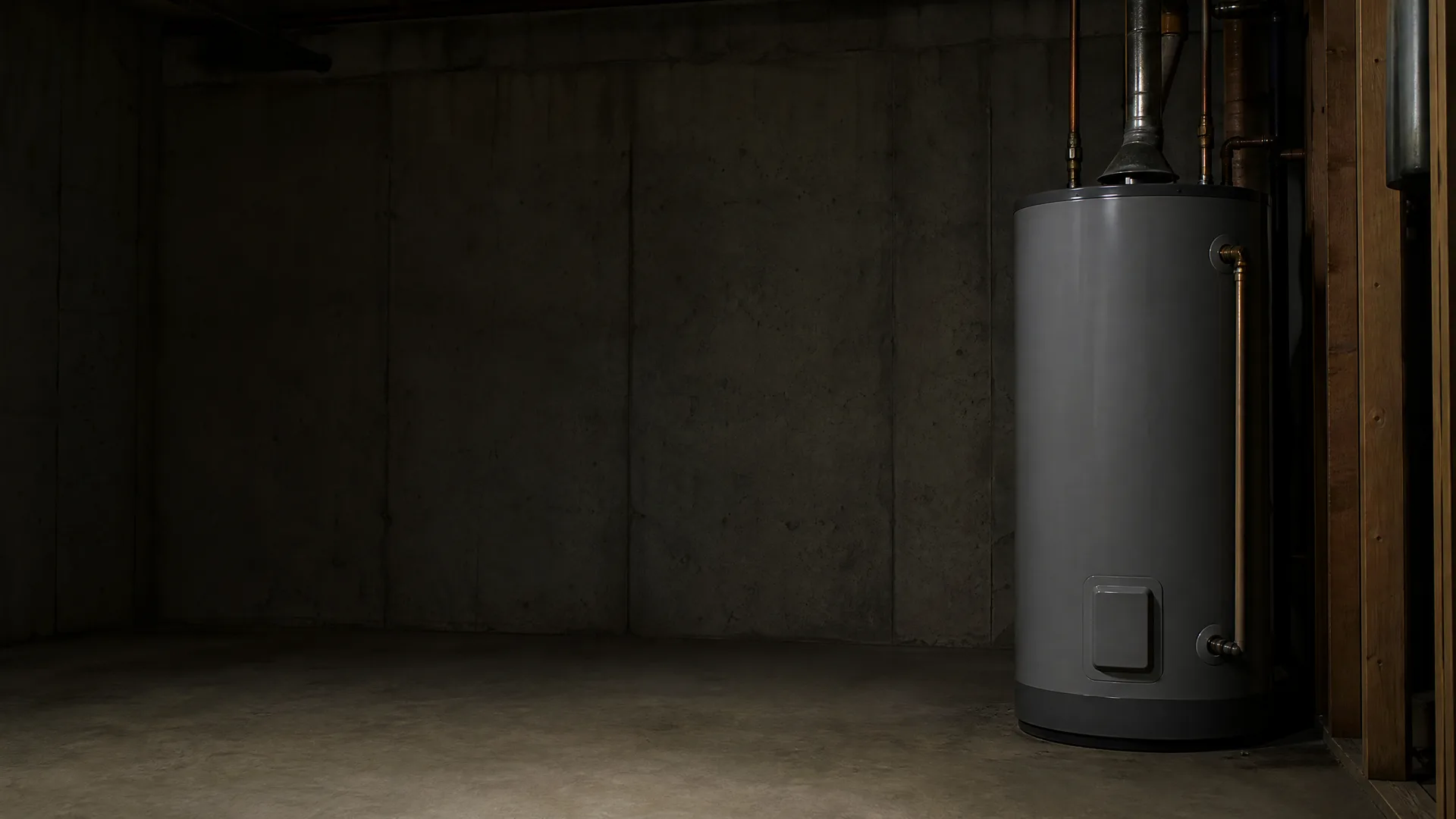
No rust on the tank, no water pooling at the base, the relief valve's copper discharge pipe clear and dry. The panels are dry too. A water heater in this shape just needs the occasional check, nothing more.
Skip searching for a water heater pro and answer a few questions instead.
Describe it onceA puddle under the tank or water dripping from a fitting usually means something has already failed rather than something about to fail. Most homes in South Carolina heat water with electricity, and an electric tank that's leaking needs attention fast, since water near the lower heating element and its wiring is a real hazard. You want to know what's actually wrong before you decide whether this is a quick fix or a new tank.
A leak can come from a loose inlet or outlet connection, a failed pressure relief valve, a drain valve that won't seal, or corrosion that's worn a hole through the tank itself. The first three can be repaired. A hole in the tank means the tank is done, because steel that's rusted through from the inside can't be patched. Where the water is coming from tells you which one you're dealing with. Water pooling at the top usually points to a fitting or valve. Water collecting at the base, with the tank wet or rusted along the seam, usually means the tank has failed and needs replacing rather than repairing.
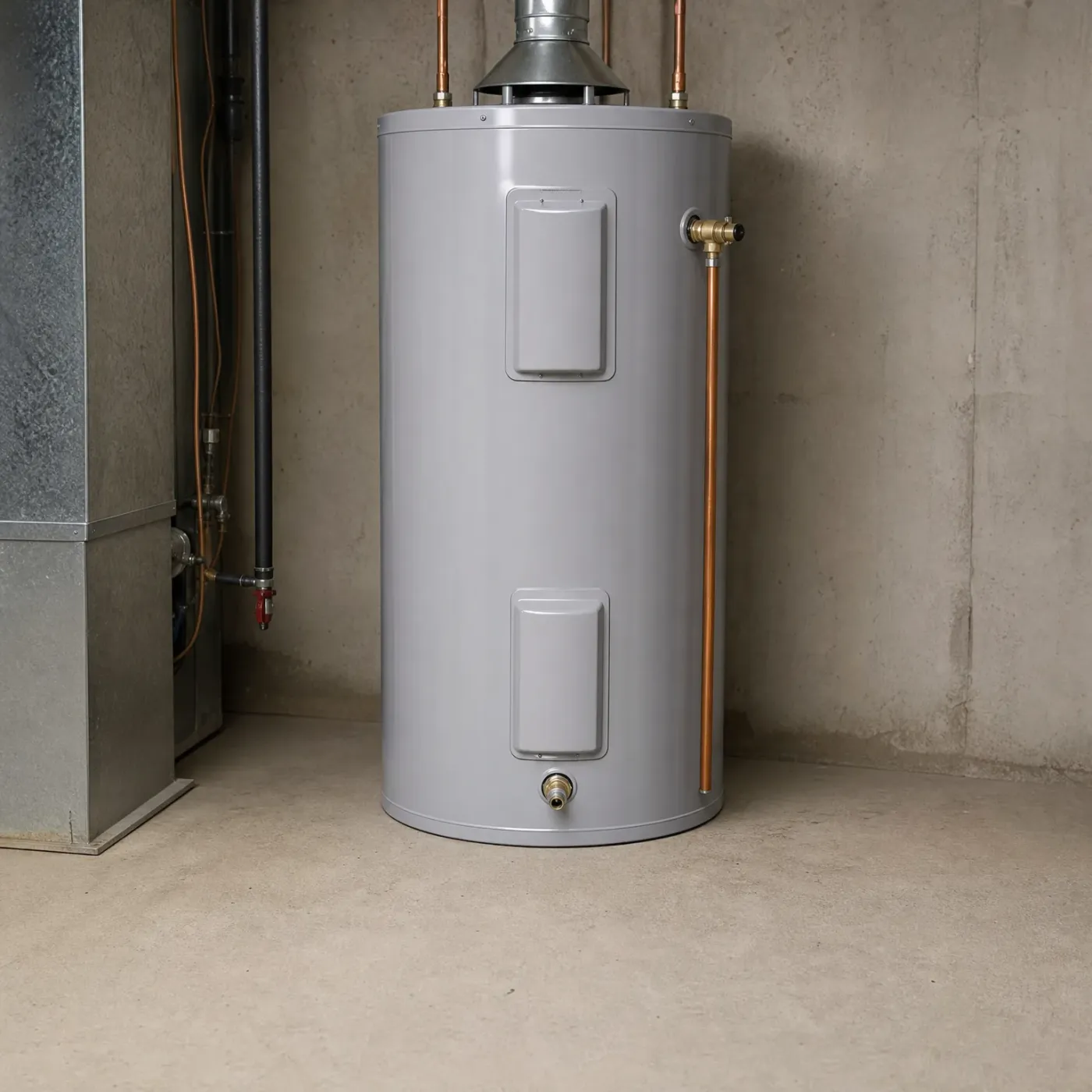
No rust on the tank, no water pooling at the base, the relief valve's copper discharge pipe clear and dry. The panels are dry too. A water heater in this shape just needs the occasional check, nothing more.
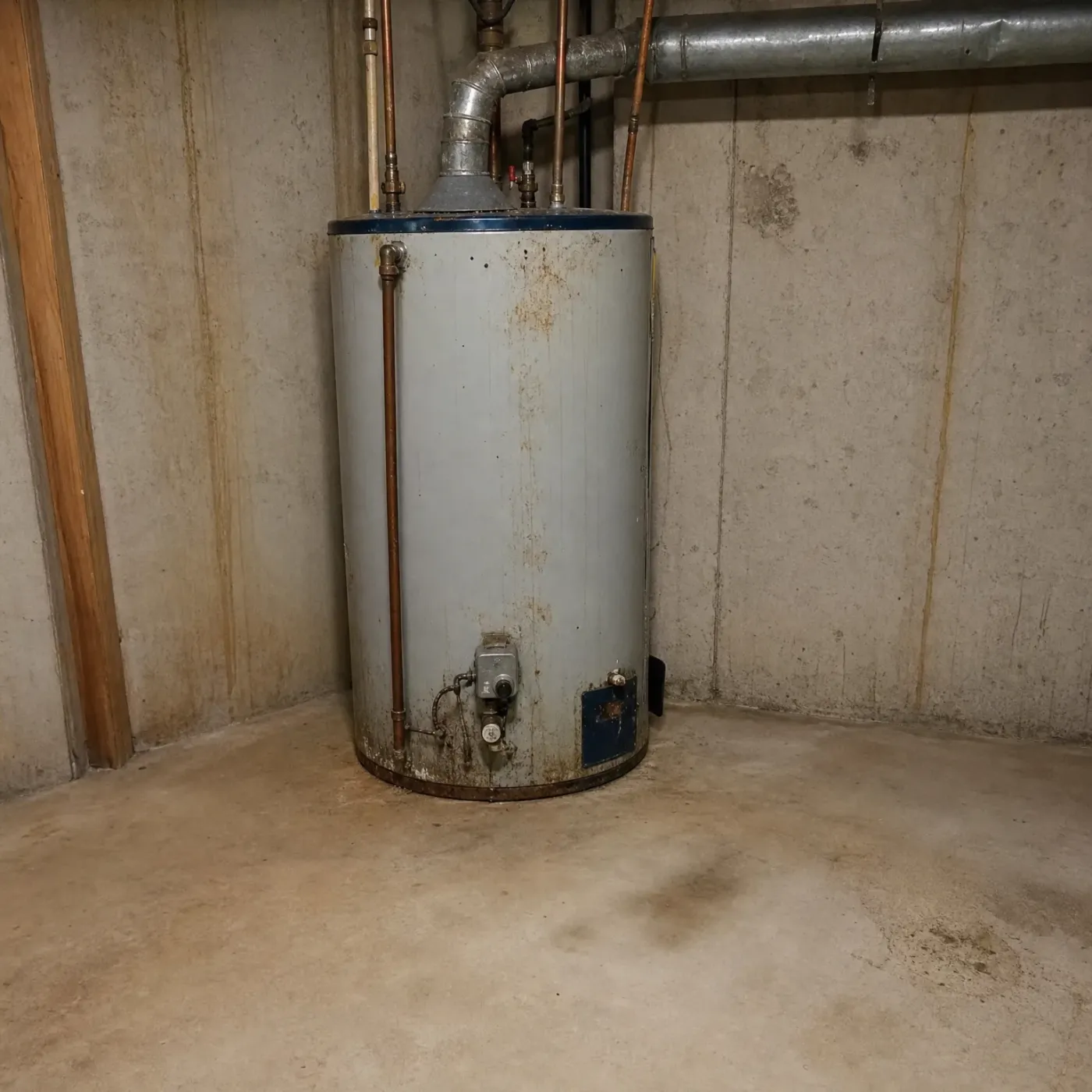
Rust like this across the tank body and staining the floor means the steel itself has given out. Once the tank is rusted through, the leak won't stop, and a contractor who sees this will tell you it's time to replace it, not patch it.
Walk by it and you'll notice the signs before you look for them. Water on the floor around the base. A damp spot on the drywall behind the tank, or a musty smell in the closet or garage where it sits. Sometimes it's just a drip you hear, coming from the relief valve pipe or a fitting at the top. If the tank itself is rusted through and weeping water, that's the steel failing, not a loose connection. Left alone, that water finds the subfloor or the drywall around it, and by the time you see soft or discolored flooring, the leak has been going on longer than the puddle suggests.




A leaking tank doesn't wait for a convenient week. Once it's actually wet on the floor or weeping from a fitting, that water is going to keep finding its way out, and in a closet or garage in South Carolina humidity, a slow leak can sit there doing damage before anyone notices the smell. Finding someone to look at it usually means searching, calling a few places, describing the same puddle three different times, then weighing quotes against each other while the tank keeps leaking. Submitting this sends your situation to one licensed plumber working in your part of South Carolina, someone who sees this exact tank and this exact leak every summer and knows which fitting, which valve, or which seam tends to go first. One call, not five. No repeating yourself to a string of companies while you sort through who to trust. You've already looked at the tank and know something's wrong. The next step is getting it in front of someone who can actually do something about it.

You're up before work, and the shower's been running a minute but there's no steam on the mirror yet. The towel's on the rail where you left it last night. You step in and the water's lukewarm, then cold, and you back out to check the thermostat on the wall like that'll help. On your way down to the garage you catch it, a dark ring spreading out from the base of the tank, soaking into the cardboard box you never moved. The floor's wet past the drain pan. You're standing there in a towel figuring out how you're going to shower before you leave for work.
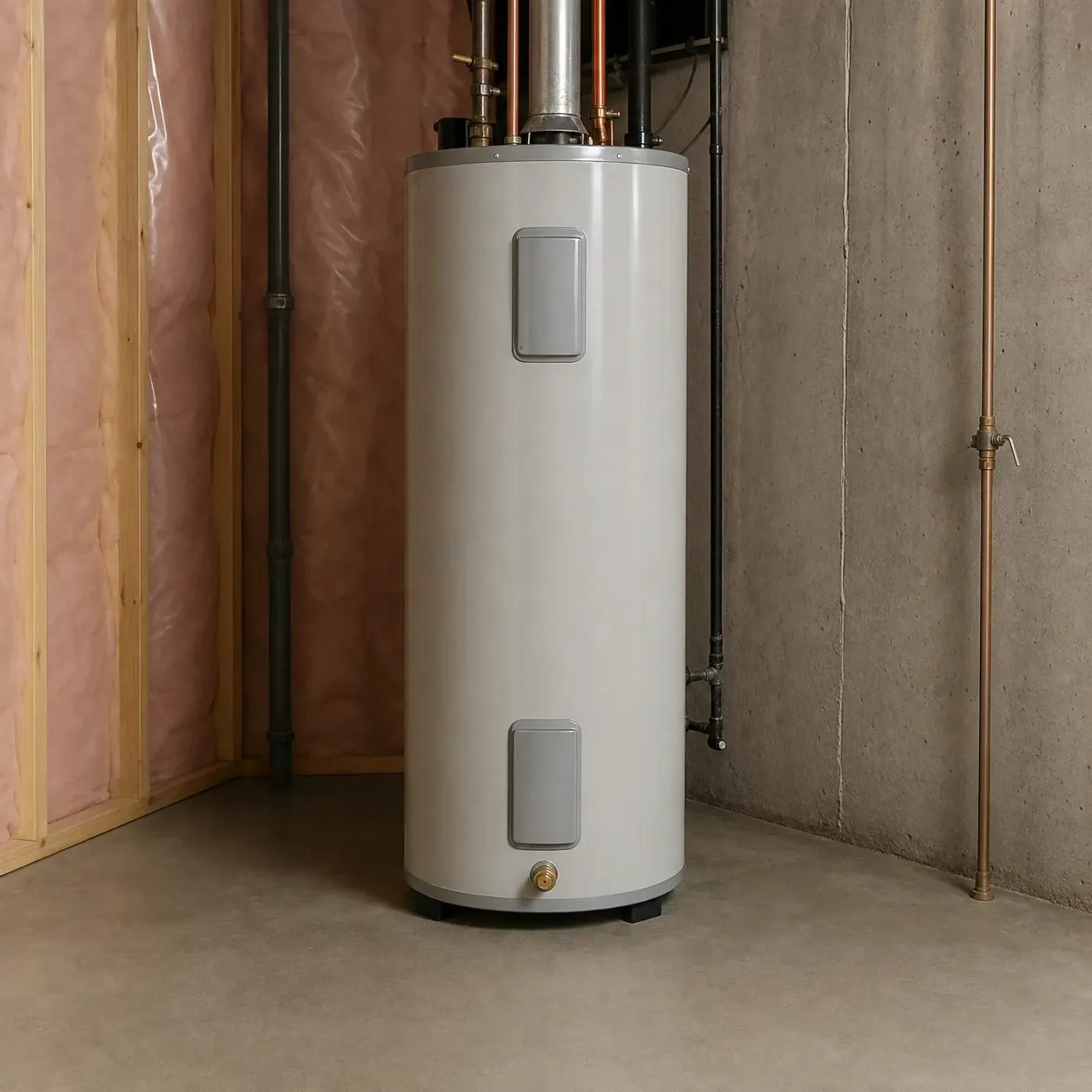
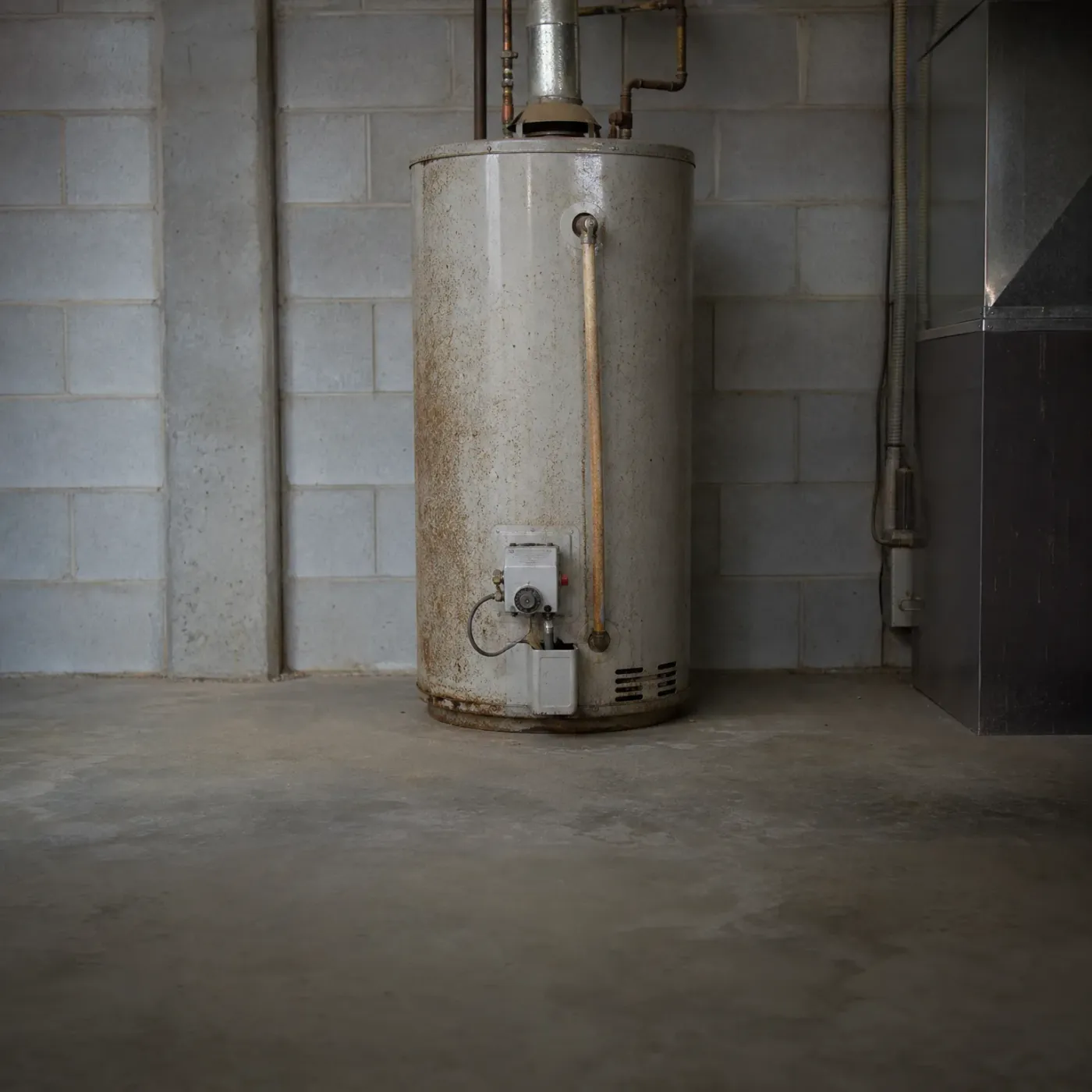


A steel tank holds water under pressure for years before a seam or the tank wall itself finally gives out, and once steel rusts through, no sealant or fitting repair closes that hole.
That's why a leaking tank almost always gets replaced rather than patched, while a leak at a fitting or valve can often be fixed by tightening or swapping that one part.
With most homes in the state running an electric tank, the heating element is usually the first thing a repair tech checks when yours starts leaking. A bad element can crack its gasket seal or corrode the fitting it threads into, and that's where the water starts showing up.
ACS 2020-2024 5-year B25040
A puddle under the tank means something inside has already failed, and the fix depends on where that water is coming from. A loose fitting or a bad valve is a repair. Rust through the steel is not. Either way, the water needs a look from someone who can tell the difference before more of it gets into the floor or the wall behind the tank. A plumber who works on water heaters all over South Carolina has seen this exact situation plenty of times, in closets and garages dealing with the same humidity yours sits in, and knows which failures on an electric tank are worth repairing and which ones aren't. You'll be matched with one licensed contractor local to you, not a handful of companies competing for the job, so there's one call to make and one person who shows up knowing what you told them. From there it's a straightforward look at the tank, the fittings, and the valve, and a straight answer about what it needs.
The pro who reaches out is licensed in South Carolina.