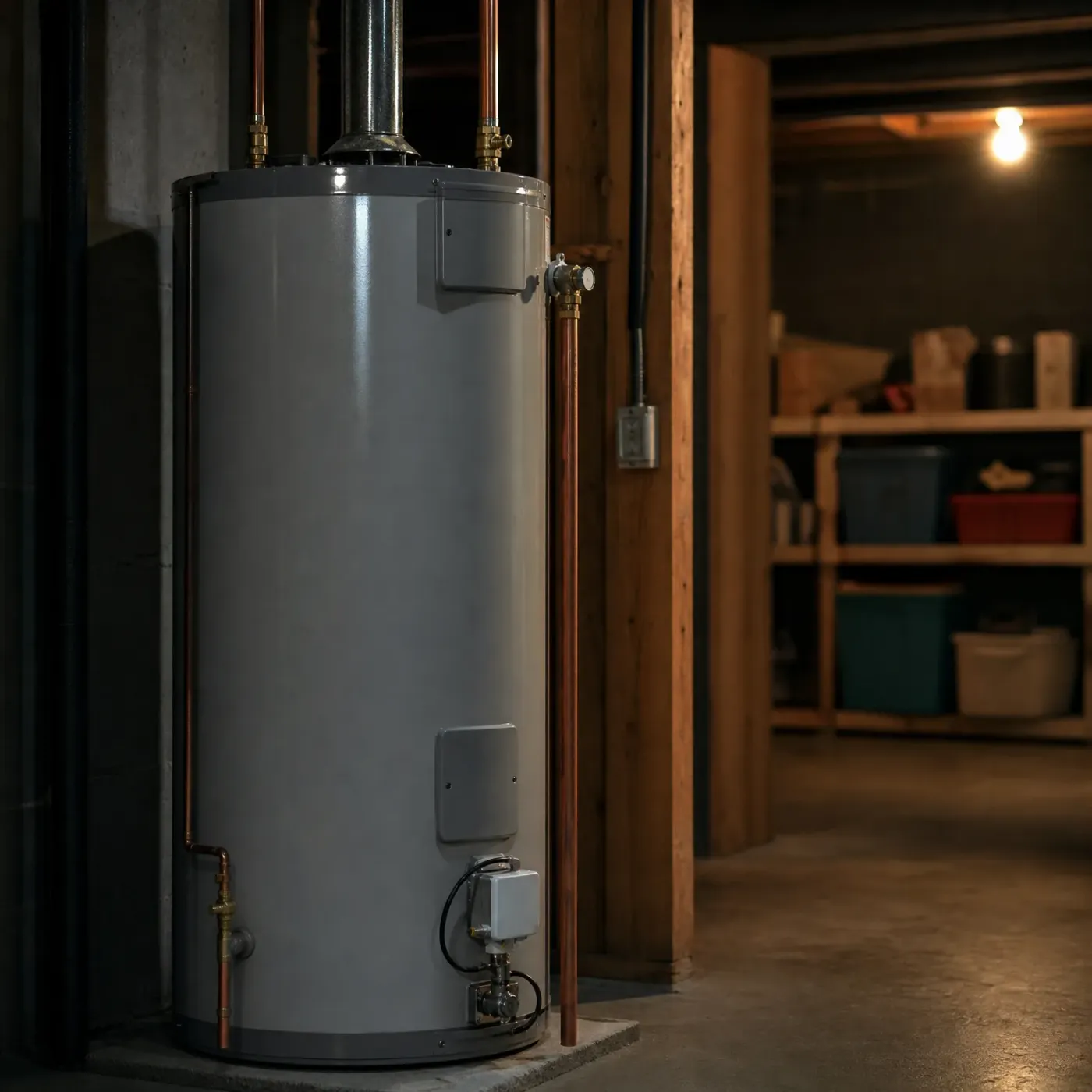
Get your water heater to the right pro
Why your hot water smells like rotten eggs in South Carolina
That smell usually means the anode rod inside your water heater is reacting with the water, and it shows up more with well water or softened water. It's worse on the hot side because heat speeds up the reaction. Below, what causes it and when it's worth having someone look at the tank instead of living with it.
Find my proThat rotten egg smell comes from hydrogen sulfide gas, and it forms when bacteria in the tank react with the magnesium or aluminum anode rod that protects the tank from rust. Most water heaters have one of these rods, and it's doing its job by corroding instead of your tank. The smell tends to show up more in hot water heaters that sit unused for a few days, since the gas builds up in the tank with nowhere to go. It's more common with well water, which carries more of the sulfate bacteria that cause the reaction, but it can happen with city water too. The smell by itself usually isn't dangerous, but it means something inside the tank needs attention before it leads to a bigger problem, and that's worth having a plumber look at.


The rod hanging inside your tank is a steel core wrapped in magnesium or aluminum, and it works by corroding so the tank itself doesn't. That corrosion is normal. The smell shows up when bacteria that produce hydrogen sulfide gas get a chance to multiply around that rod, and warm water is exactly where they do that. Electric water heaters in South Carolina keep their tanks at a steady temperature all day and night, which gives those bacteria a stable place to grow instead of the occasional cool spell a gas burner cycling on and off might create. If your water heater has a magnesium rod, which many do because it protects the tank better, the smell can show up faster since magnesium reacts with sulfate in the water quicker than aluminum. A water softener makes this worse, not better, since it strips out the calcium and magnesium that would otherwise compete for that reaction. None of this means the tank is failing. Swapping that rod for an aluminum or zinc-alloy one is usually enough to clear the smell without any other work on the heater.
What's actually happening inside the tank
- The anode rod is a steel wire wrapped in magnesium or aluminum, hung from the top of the tank into the water.
- Bacteria that produce hydrogen sulfide thrive in warm water, so a tank that sits unused for a few days gives them time to build up.
- Electric water heaters hold their water at a steady temperature around the clock, which gives those bacteria a warm place to keep working.
- Some water heaters ship with a magnesium rod because it protects the tank better, but magnesium reacts with sulfate in the water faster than aluminum does.
- A softener strips calcium and magnesium from the water, which pushes the reaction toward the anode rod even harder.
- Replacing the anode rod with an aluminum or zinc-alloy one often stops the smell without touching anything else in the tank.


The right pro for this job
A water heater that smells like rotten eggs is not something to leave alone and hope it clears up. The reaction inside the tank keeps going as long as that anode rod is there, and most homes in South Carolina heat their water with electric tanks that run every day of the year, not just in summer. Figuring out whether it's a simple fix, like swapping the rod, or a sign the tank itself needs attention takes someone who can look at your specific unit. Finding that person usually means searching around, calling a few places, explaining the smell and when it started more than once, then weighing quotes that don't really compare to each other. You don't have to do any of that here. Submit your information once and a contractor who works on water heaters in your area will reach out to you directly, so you can get an answer about what's happening in your tank without chasing it down yourself.
What This Means for Your House
- A tank that sits idle while you're away gives the bacteria time to build up, so the smell is often strongest after a trip.
- Running only the hot tap won't clear it, since the reaction is inside the tank itself, not in your pipes.
- Left alone, the anode rod keeps corroding and eventually stops protecting the tank, which shortens the tank's life.
- An electric tank that runs all day keeps the water warm enough for the bacteria to keep producing the gas.
- Guests or family showering with that water will notice the smell even if you've gotten used to it.
- Softened water in many South Carolina homes makes the reaction worse, so the smell can return faster after a fix.
Once that smell shows up, it tends to stick around on its own schedule. A tank left alone for a few days while you're at work or away gives the bacteria time to build back up, so you may notice it's worse on a Monday or after a weekend trip than it was before. Running the hot water longer or flushing a faucet won't help, because the reaction is happening inside the tank, not somewhere between the tank and the tap. If your home heats water electrically, as most do in South Carolina, the tank is keeping that water warm most hours of the day, which is exactly the condition the bacteria need to keep working. The anode rod itself doesn't stop corroding just because you've gotten used to the smell. It keeps wearing down, and once it's used up, the tank loses the protection it was giving it, which means the tank itself starts to age faster than it should. Softened water, common in a lot of homes here, tends to speed up the reaction, so even after a repair the smell can come back sooner than you'd expect. It's also easy to miss how it reads to someone else. You might stop noticing it after a while, but a guest or a family member showering won't have that same tolerance, and it's usually them who points it out first.



Bacteria in the tank react with the anode rod's metal.
That reaction produces hydrogen sulfide gas inside the tank.
The gas dissolves into the hot water as it sits.
Water drawn from the hot tap carries the gas out.




70.8% of homes statewide heat with electricity
Most homes in South Carolina heat water with electricity, which means your water heater likely runs on an electric element rather than gas. The tank still holds an anode rod doing the same job, so the same rotten egg smell can turn up no matter what powers it.
ACS 2020-2024 5-year B25040

The smell has a cause, and it has a fix
The rotten egg smell in your hot water comes from the anode rod reacting inside the tank, not from anything in your pipes or your well. That's the whole answer. A contractor can confirm it by looking at the rod and the water itself, then replace what needs replacing.
You could spend an afternoon searching for someone licensed to work on water heaters in South Carolina, call a few, explain the smell and when it started to each one, then sit with quotes that don't line up. Or you can skip that part. Answer a few questions about your water heater and what you're noticing, and a contractor who handles this kind of repair will reach out to you directly. You'll still want someone who knows the tank, the rod and the water here, but finding that person doesn't have to be your job.

Matched to your water heater job
Explain the job once and skip repeating it on every call.