
10 to 15 minutes
That's what a failed lower element leaves you with before the water turns cold, no matter how you space out showers in the house.
You run out of hot water fast because the tank is too small for how your house uses it, or the lower heating element has failed and only the top third of the tank is heating at all. Most homes in South Carolina run electric water heaters, and an electric tank recovers slower than gas, so once it's empty you're waiting a while for more. If showers used to last and now they don't, something has changed: sediment built up on the bottom of the tank and is cutting the usable volume, a thermostat is set lower than it should be, or one of the two heating elements stopped working and the other can't keep up. A tank that still gets warm but not hot, or that runs hot for a few minutes and then goes cold, is telling you which of those it is. That's a repair, not a sign you need a bigger tank.
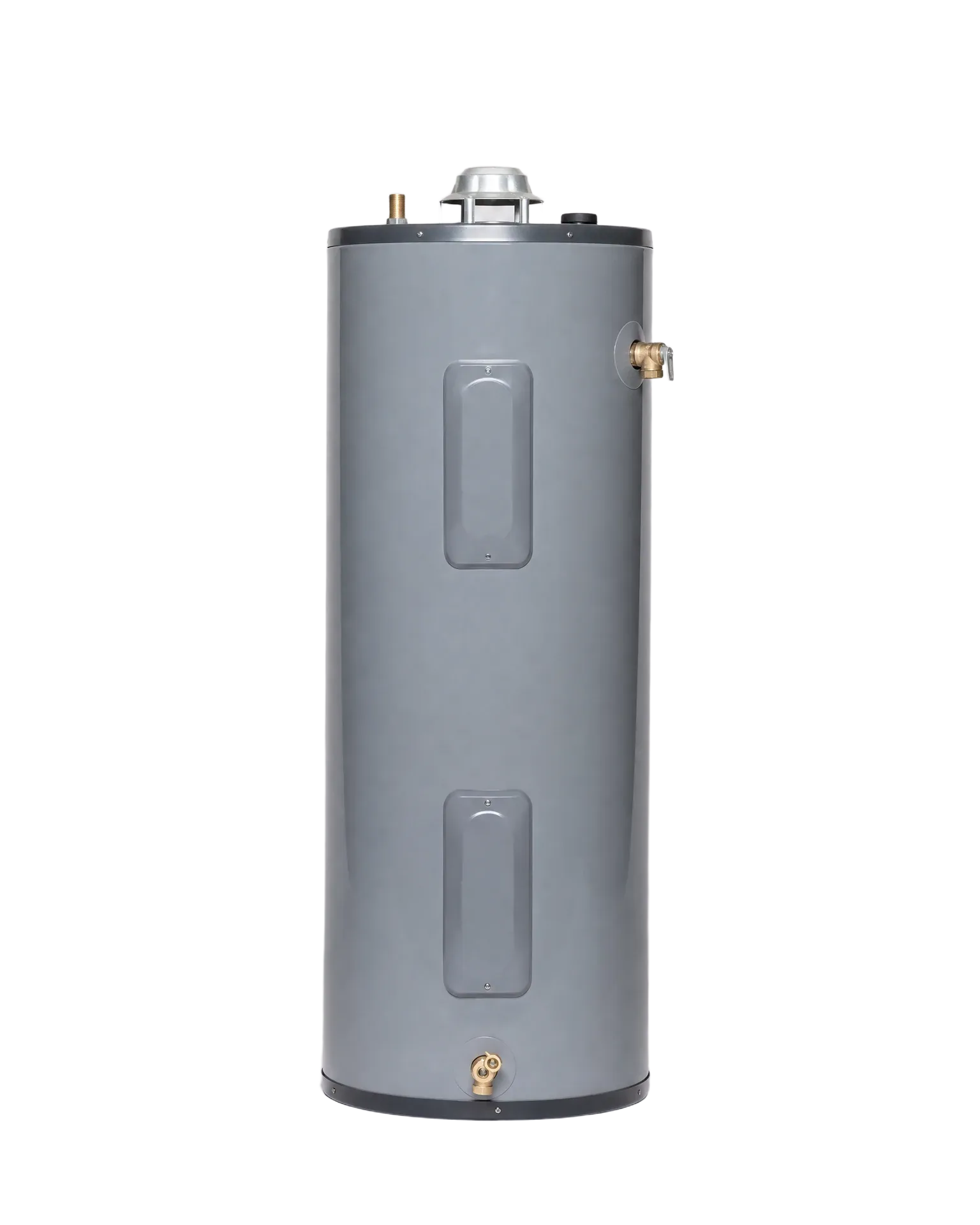
An electric tank does its work in two stages. The top element brings the upper section up to temperature first, then hands off to the bottom element, which heats the rest. Both need to be working for the tank to deliver what it's rated for. When the bottom element quits, the top one keeps running fine on its own, so the shower starts out normal and then turns cold fast, because the lower two thirds of that tank was never heated. Cold water always enters at the bottom, so with a dead lower element, the incoming water has no chance to warm before it reaches the outlet. Sediment causes the same problem a different way: it settles at the bottom, sits on the element, and either slows it down or burns it out. None of this shows up until the tank is tested under real use, which is also why a tank built for one or two people runs short the moment two showers or a shower and a laundry load overlap.




Fill out one short form instead of calling around.
You only hire the pro if you want to.
Most electric water heaters have a red reset button on the high-limit switch, above the thermostat. If the lower element has failed or shorted, that switch trips and cuts power to it. Pressing reset and having it hold for a day or two, then trip again, points to a failing element rather than a one-time fluke. Pressing it and having it trip right away points to the same thing, just further along. Either way, the switch is doing its job. It's there to stop the element from overheating, and it will keep tripping until the element is replaced.
A 40 gallon tank gives a household of two or three people roughly 20 to 30 gallons of usable hot water before it needs to recover, since water mixes as it draws down rather than coming out in a clean line. Back to back showers, a load of laundry, and dishes in the same hour can ask more of the tank than it holds, even with both elements working. If that pattern repeats daily in your house, the tank itself may be sized for a smaller household than the one living there now.


That's what a failed lower element leaves you with before the water turns cold, no matter how you space out showers in the house.
Once both elements are working, the tank heats the way it's supposed to and nobody has to time their shower around someone else's.
With electricity running most water heaters in the state, your tank depends on two separate elements doing their job, not a single gas burner. When one of those elements quits, electric tanks show it fast, which is why the short showers tend to start so suddenly.
ACS 2020-2024 5-year B25040
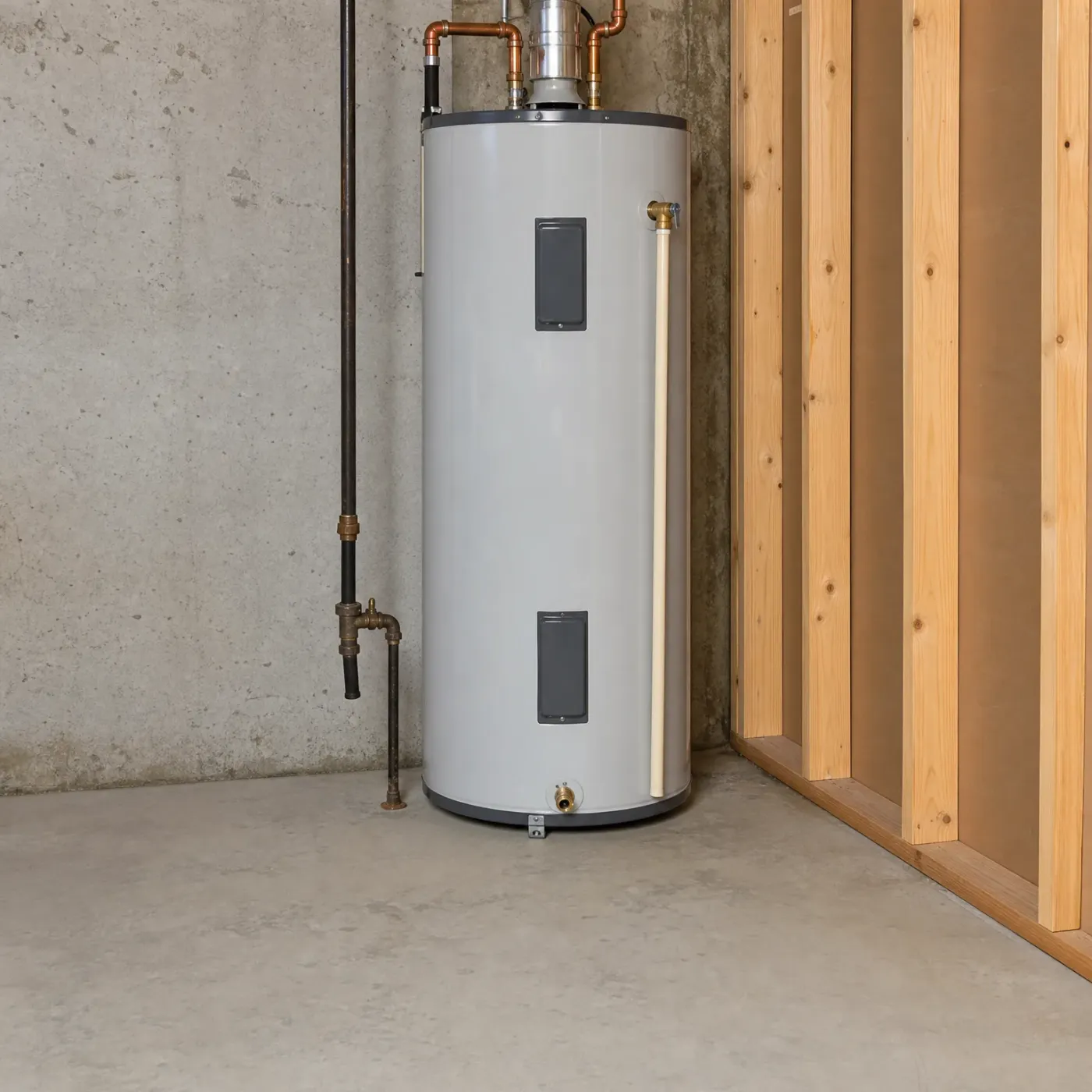
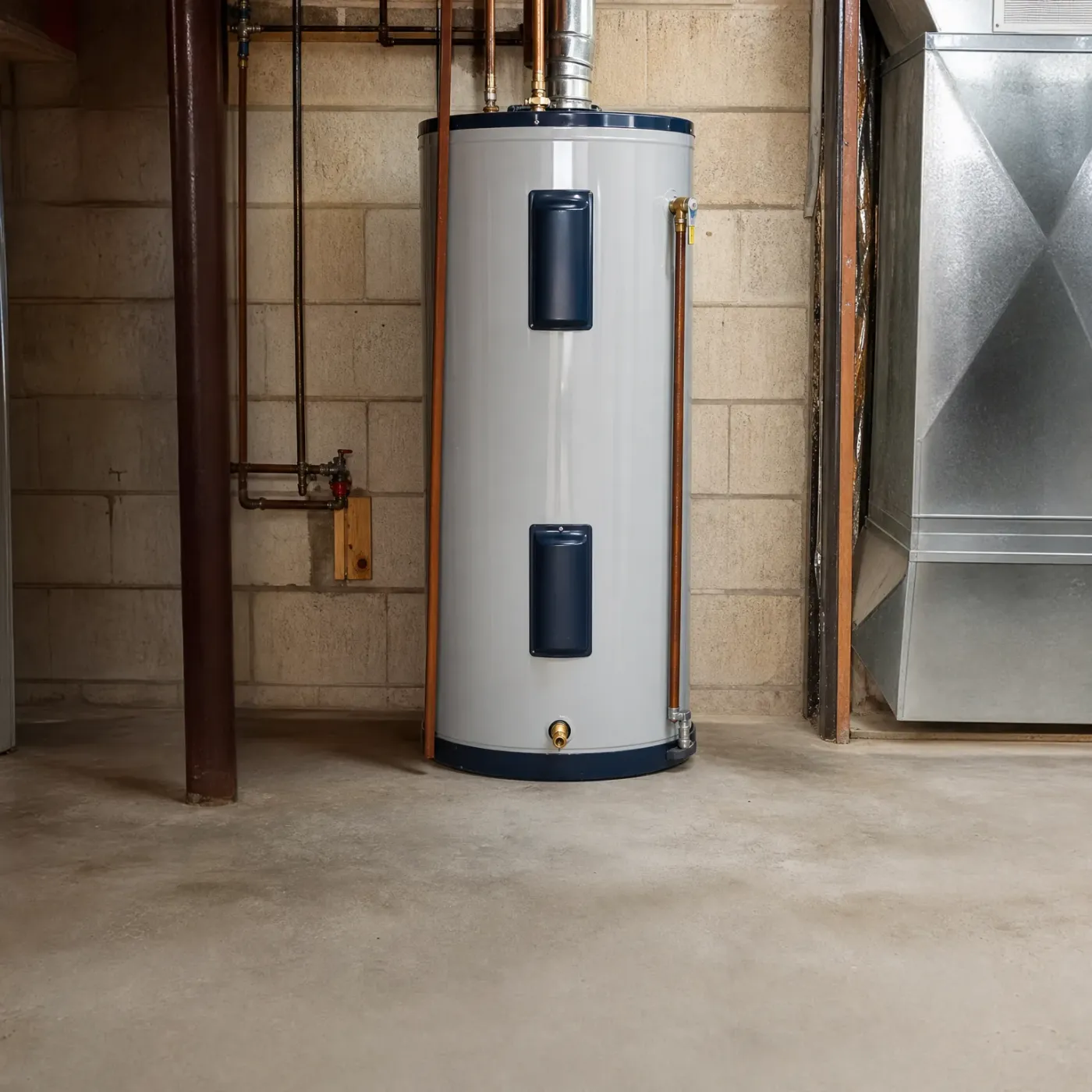
The panels on the front cover both elements, and the relief valve up top has a clear discharge tube running down. No rust at the base, no staining around the seams. A tank that looks like this is a repair, not a replacement.
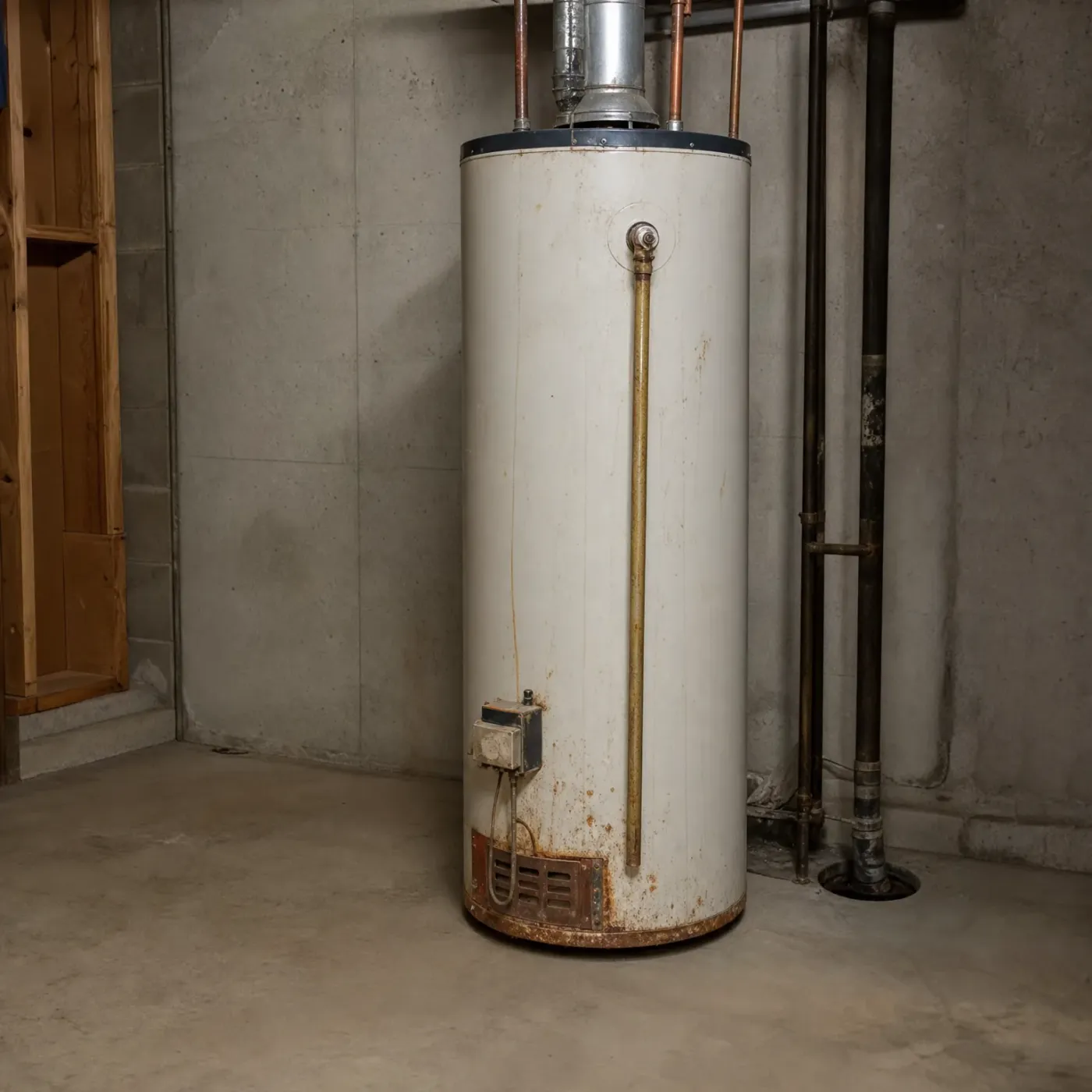
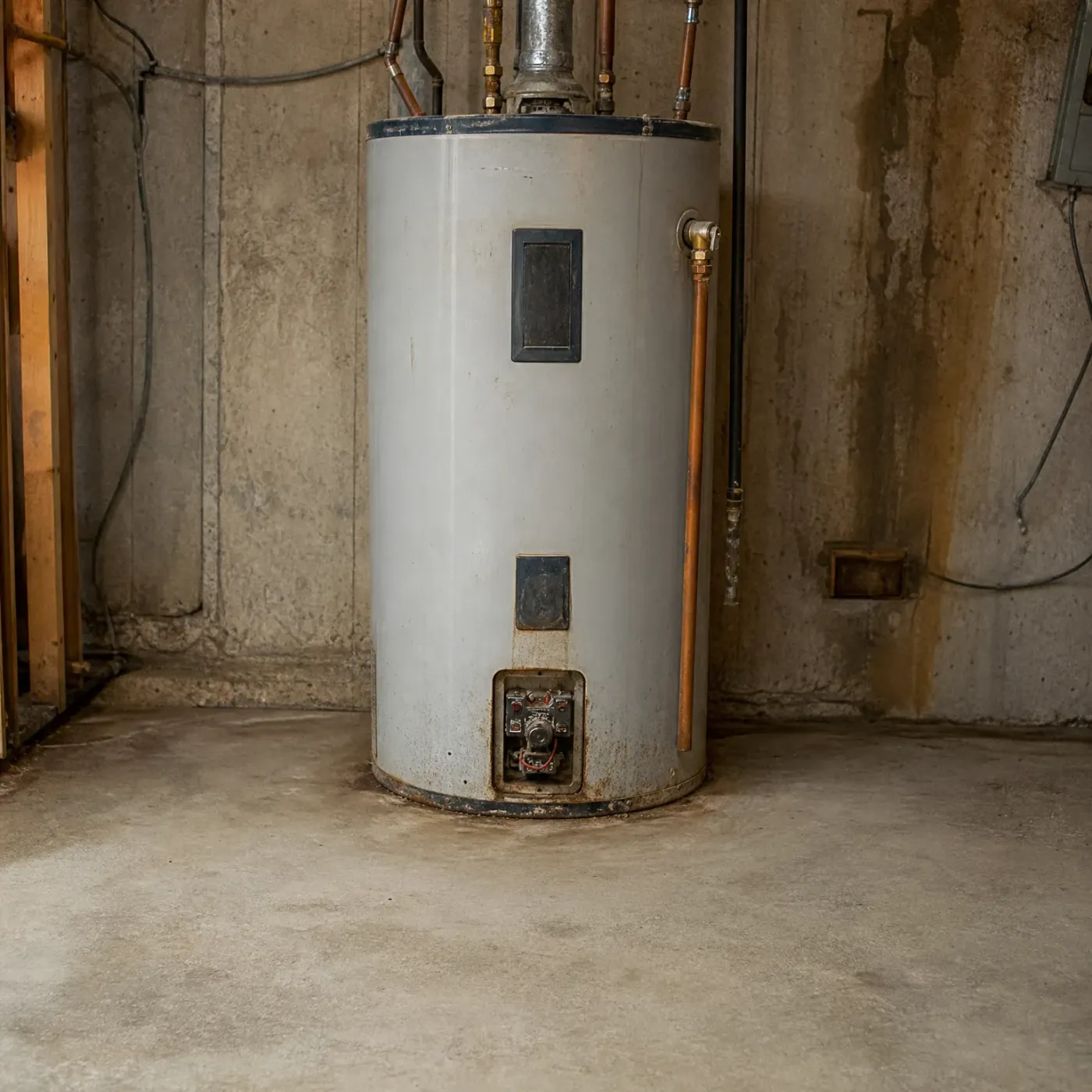
Rust spreading across the base and up the lower section like this means the steel itself is going, not just an element or thermostat. Once a tank rusts through, swapping a part won't stop a leak that's already started underneath it.

A tank that runs cold in ten minutes has a reason behind it, and that reason is almost always one part failing, not the whole unit giving out. Finding which one it is means someone looking at the elements, the thermostats, and the reset switch, not guessing from the kitchen table.
You don't have to be the one who sorts through that. Instead of searching for a contractor, calling a few, and explaining the same problem over and over, you get matched with one who works on water heaters like yours in South Carolina, and they reach out to you directly. That's the part that disappears. What they find in your tank is theirs to tell you.


Get your water heater to the right pro