 Hand it over
Water heater pilot light keeps going out in South Carolina
Send it once and finding someone is no longer on you.
A pilot that won't stay lit is usually trying to tell you something. It could be a thermocouple that's worn out and no longer holding the gas valve open, a draft reaching the pilot from somewhere it shouldn't, or a dirty pilot orifice choking the flame down to nothing. None of these fix themselves, and relighting the pilot over and over just delays the same problem coming back.
South Carolina summers get muggy, and that humidity doesn't help a water heater that's already struggling to keep a clean, stable flame. Combined with electric heat carrying the rest of the home's load most of the year, your water heater is often doing more work than people realize to keep up with hot water demand. When the pilot keeps dropping out, you're not just losing convenience. You're losing hot water on a schedule you can't predict.
This isn't a job to guess your way through. A gas water heater involves a live gas line, and figuring out whether the problem is the thermocouple, the thermopile, the gas control valve, or something simpler takes someone who's opened up this exact kind of unit before. A local contractor who works on water heaters all year in South Carolina homes has likely already seen your specific symptom and knows which part tends to go first.
Once you send the request, you're not the one who has to track down who's available or who actually handles this kind of repair. That part is off your plate. You'll be connected with one licensed local contractor, not a handful of companies competing for your callback, so you're not stuck fielding calls while your water heater sits cold.
Fill out the form below and let someone who knows this equipment take it from here.
Why does my water heater pilot light keep going out?
It's happened more than once now. You relight the pilot, it holds for a while, then a day or two later you've got no hot water again and you're back down at the valve with a lighter. You want to know if this is something you can fix yourself or if it's a sign the water heater needs a real look.
Most of the time it's a worn thermocouple
The thermocouple is the small copper rod that sits in the pilot flame. Its only job is to sense that the flame is lit and tell the gas valve to stay open. Once it wears out, it stops reading the flame correctly and the valve shuts the gas off, even though the pilot was burning fine seconds before. A dirty pilot orifice or a draft hitting the flame can cause the same thing, but a thermocouple that's reached the end of its life is the most common reason. It's a straightforward part to replace, and a licensed plumber can tell which of the three is happening in your water heater once they see the flame itself.
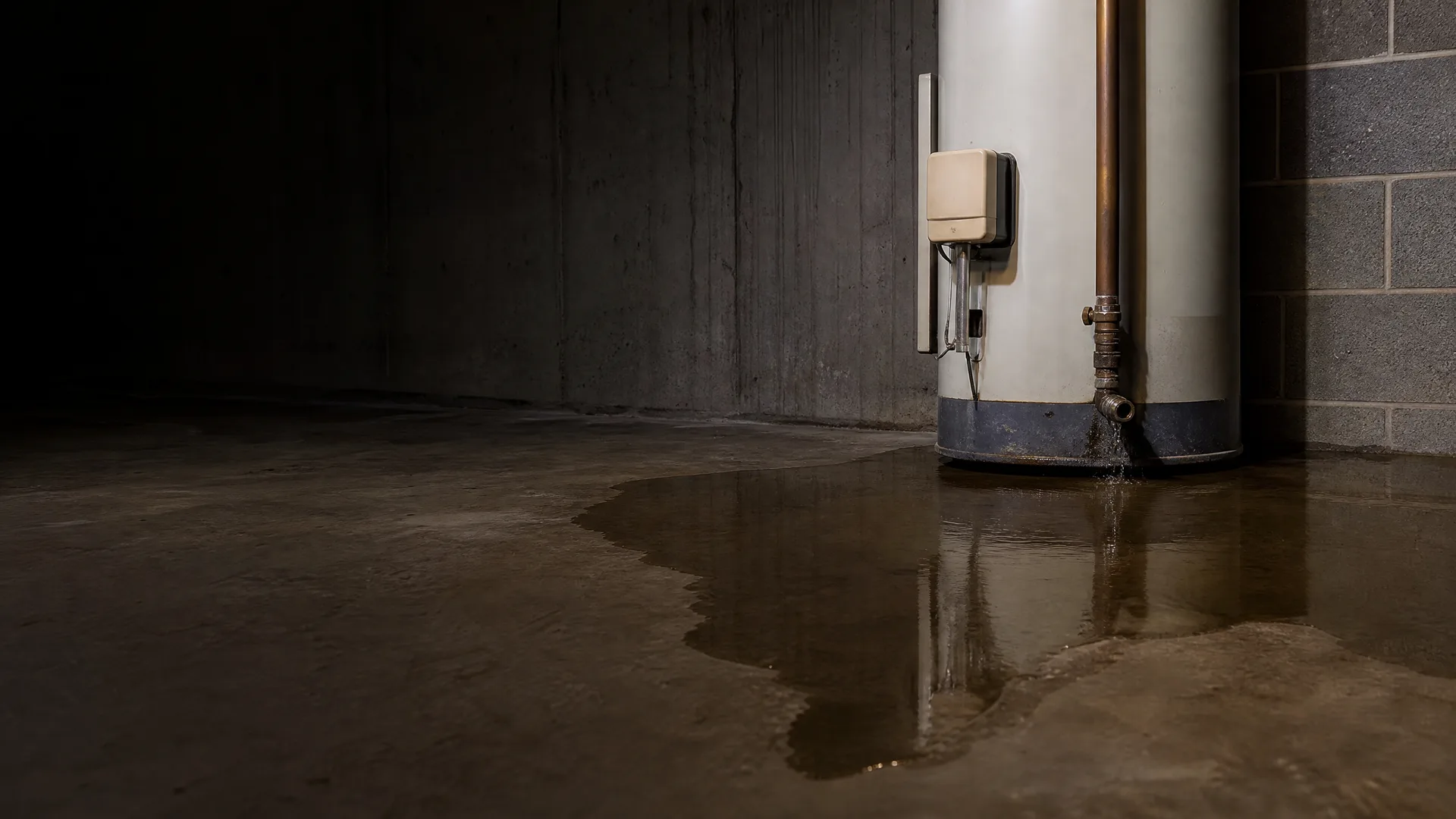
It's Saturday morning and you're down in the basement again, lighter in hand, about to kneel in front of the tank for the third time this month. Before you even get to the valve you see it: a thin sheet of water spread out across the concrete at the base of the heater, catching the light from the one bare bulb overhead. You stop. The pilot isn't the problem this time, or maybe it never was. You stand there for a second working out how long that water's been sitting there, what it's touched, whether it's reached the boxes you've got stacked against the wall.
Finding a pro stops being your job

Only one pro gets your request, so you hear from one company.
No charge to send it. You decide if you hire them.
How the Pilot Actually Fails
- The thermocouple sits in the pilot flame and sends a small electric signal telling the gas valve to stay open.
- A worn thermocouple cools faster than the flame can reheat it, so the valve shuts the gas before you notice.
- A draft from a vent, a floor register, or even the door to the water heater closet can push the flame off the thermocouple's tip.
- A pilot orifice clogged with dust or soot starves the flame down to a size too small to keep the thermocouple warm.
- The flame has to touch the very tip of the thermocouple, not just sit near it, or the signal drops.
- A loose connection where the thermocouple screws into the gas valve can break the signal even when the flame looks fine.
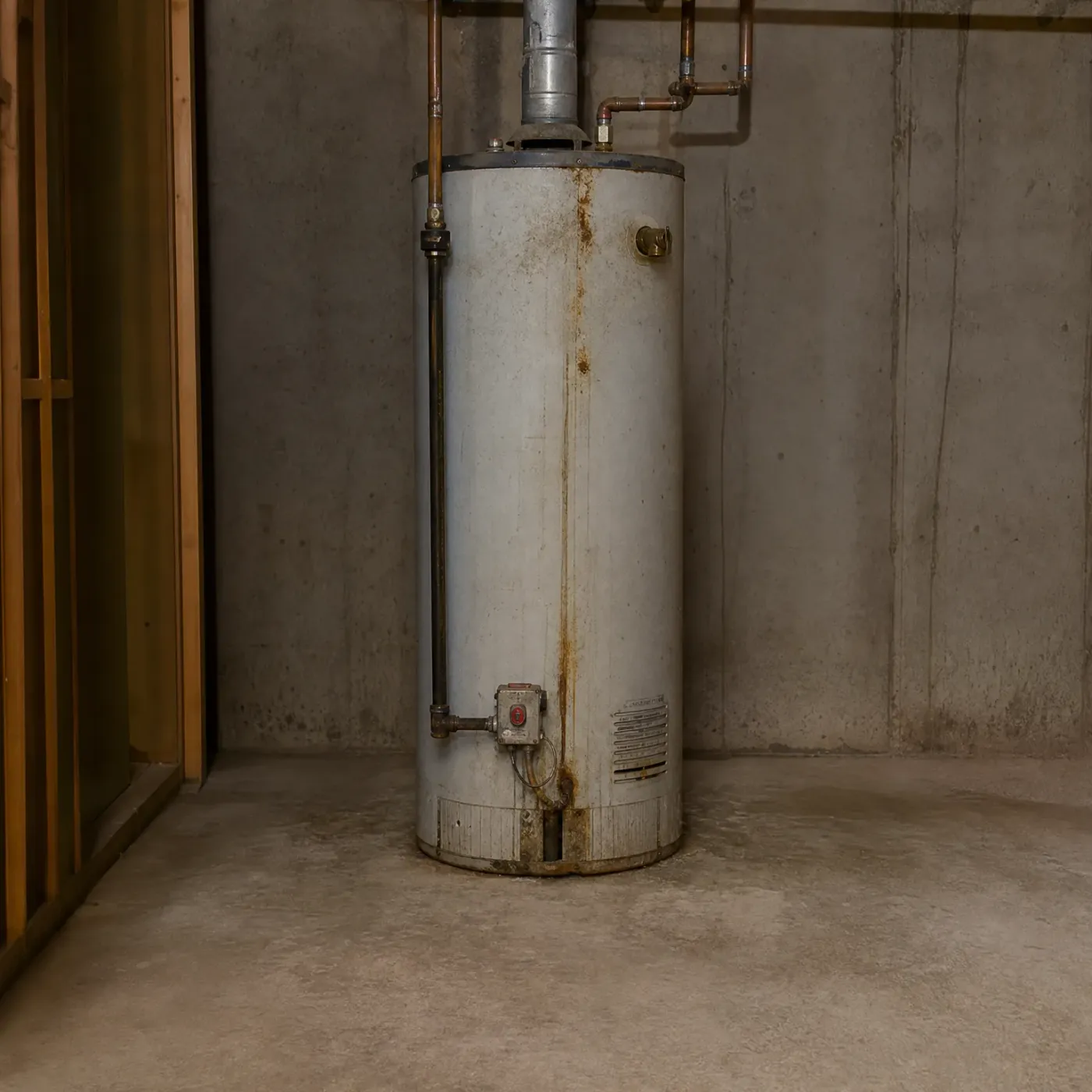
The pilot assembly is simple, which is why it's worth understanding. A small copper rod called the thermocouple sits right in the pilot flame. As long as the flame heats it, it sends a weak electric signal to the gas valve telling it to stay open. Cut that signal and the valve closes on its own, that's a safety feature, not a malfunction. Most of the time the problem is one of three things. The thermocouple itself wears out over years of heating and cooling and stops generating a strong enough signal, so the valve trips even though the flame looks normal to you. Or something is moving the flame off the thermocouple's tip, a draft from a nearby vent, a floor register kicking on, even the closet door swinging shut can be enough to push the flame sideways for a second. The contact has to be direct. A flame sitting a quarter inch away does nothing for the thermocouple even if it looks close enough from where you're standing. The third cause is a dirty pilot orifice. Dust and soot narrow the opening over time, so the flame burns smaller and cooler than it should, and a cooler flame can't keep the thermocouple at temperature. Less common but worth knowing: the thermocouple can be seated correctly and still fail if its connection at the gas valve has worked loose, breaking the circuit without any visible sign at the pilot itself.
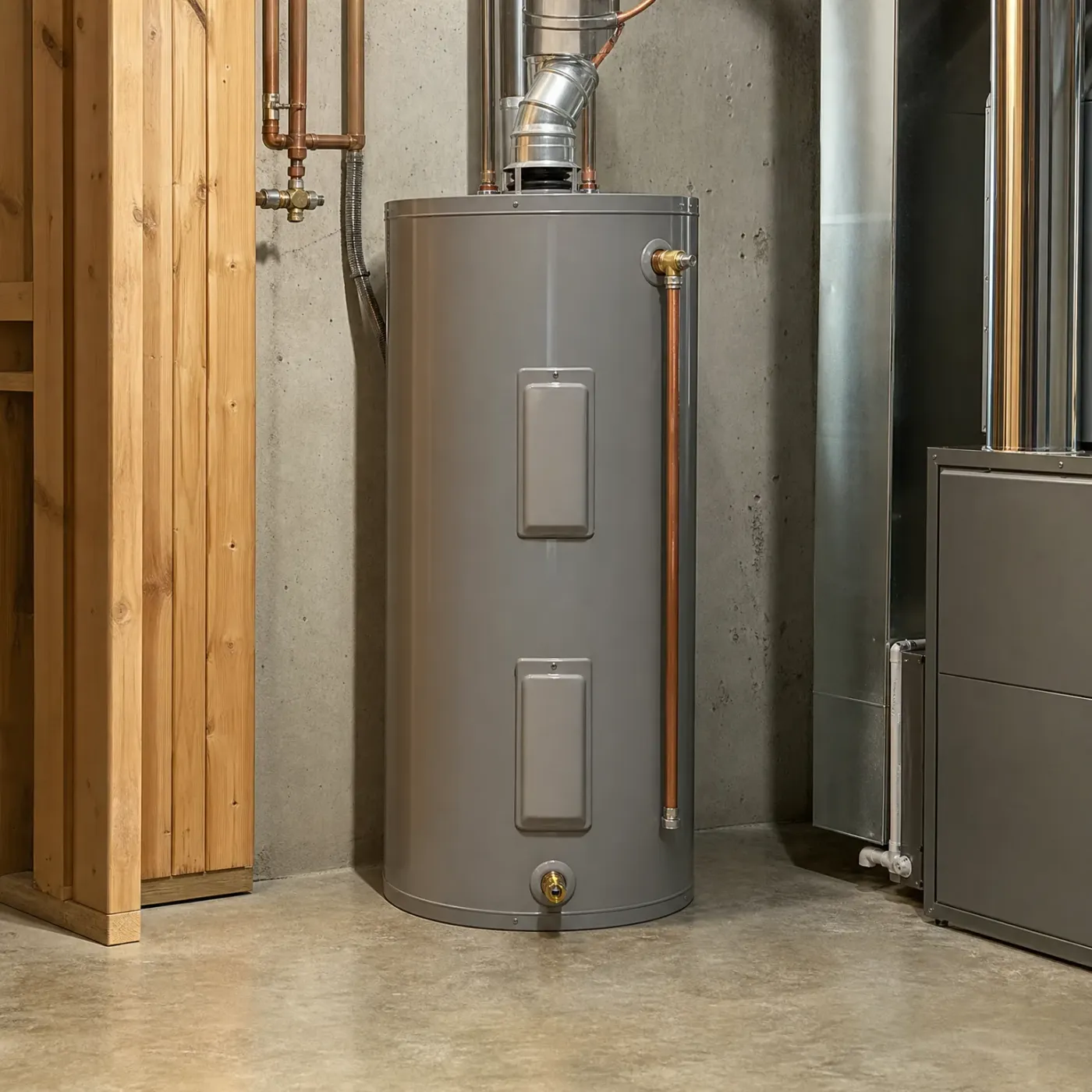




70.8% of homes statewide heat with electricity
Most houses in South Carolina run on electric heat, which means the gas water heater is often the only pilot light in the whole place. That makes it easy to put off, since it's not tied to keeping the house warm. But a pilot that won't hold is still worth fixing before you're out of hot water altogether.
ACS 2020-2024 5-year B25040
A pilot that won't hold is almost always a thermocouple that's worn out, a draft finding its way to the flame, or an orifice too dirty to keep it fed. None of those get better by relighting it again. A licensed plumber local to South Carolina can check all three in one visit and tell you which one it is, then fix it so you're not back at that valve next weekend. You'll have hot water that stays on without you thinking about it, which matters even in a state where most heat in the house runs on electricity and this tank is the one pilot flame you've got. Send the request and the search for someone qualified is off your plate. One licensed contractor who works on these tanks regularly picks it up, not a handful of companies competing for your call. You already know something's wrong. This is how it gets handled.


Water Heater Repair
Let someone else find the pro
Your request stays with one local pro.
