Tell us about the job
Takes about a minute. No obligation.
A contractor quoting a water heater installation here starts at the electrical panel, not the closet where the old tank sits. Electricity heats more occupied homes in Darlington County, South Carolina than any other fuel, at 88.9% (2020-2024 ACS 5-year). With electric water heating that dominant, the existing wiring, breaker size, and panel headroom are real constraints on what gets installed. A tank upgraded to a higher-capacity unit, or a switch to a heat pump water heater, pulls more current than the old setup was built for. The contractor has to establish what the circuit will carry before any equipment gets selected.
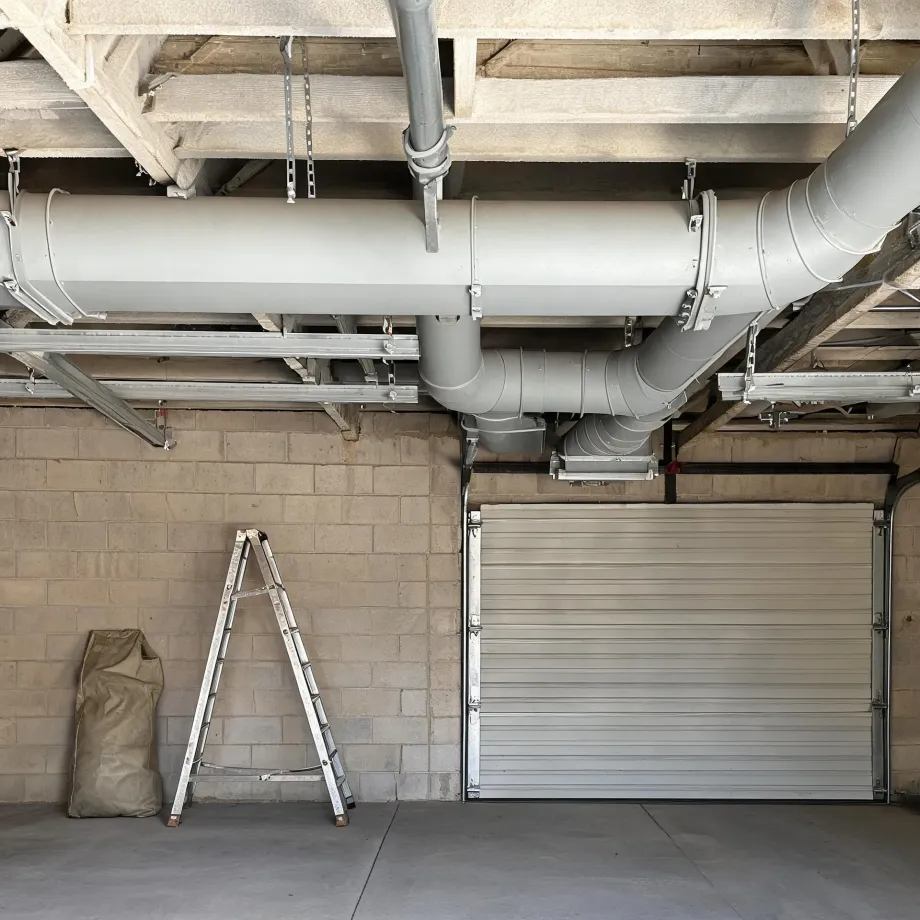
Ductwork routed for equipment that has since been replaced and electrical service sized for a smaller draw are what a contractor finds in a significant share of Darlington County houses. Half the homes in Darlington County, South Carolina were built in 1984 or earlier (2020-2024 ACS 5-year). That history means the pathway a new water heater has to work within was designed around something different, and whether it carries the new load without modification is the question that shapes the job. Some houses need nothing touched beyond the unit itself. Others require electrical work before a compliant install is possible.
What a Water Heater Installation Covers
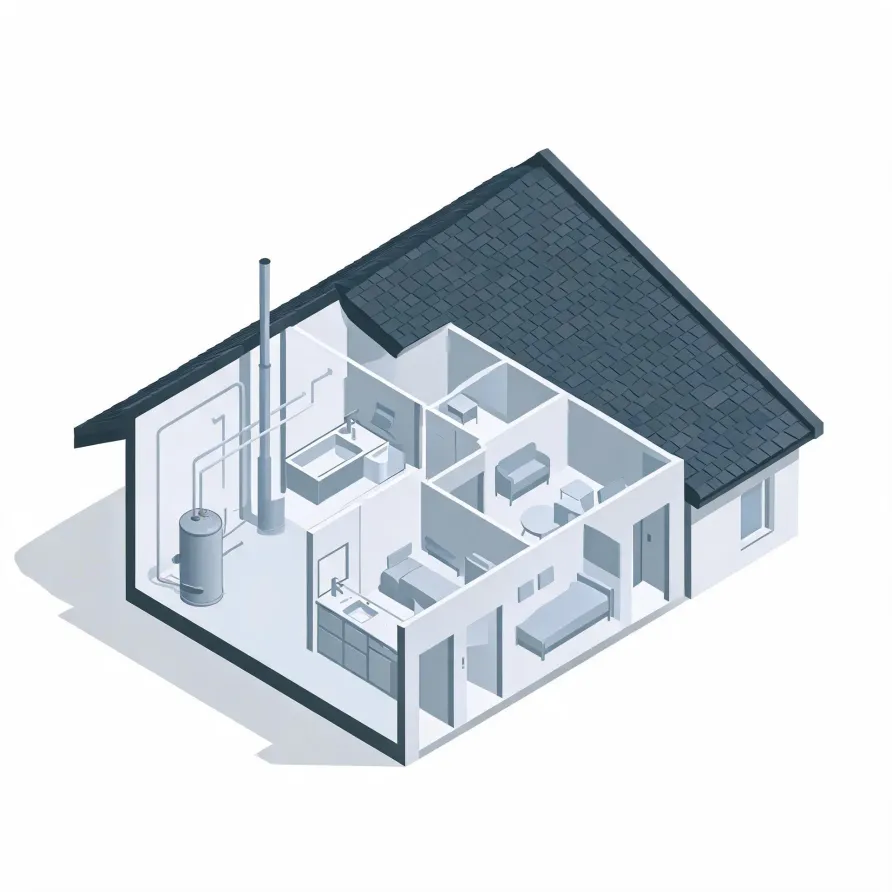
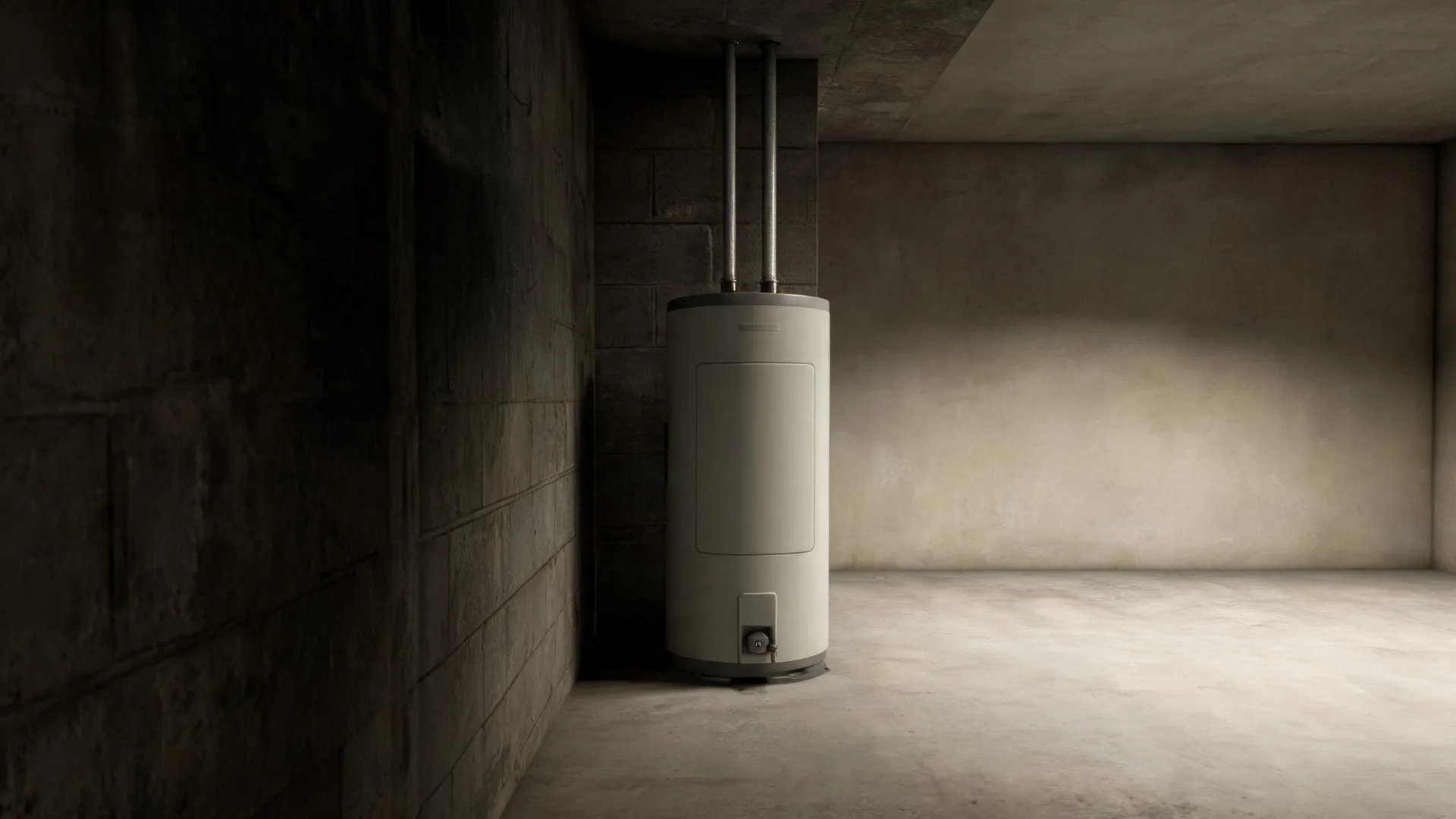
The tank or tankless unit is the heart of the system. A storage tank sits upright in a utility closet, basement, or garage and holds a reservoir of heated water ready for use. A tankless unit mounts to a wall and heats water on demand as it passes through.
The cold-water inlet line feeds into the unit, and the hot-water outlet line carries heated water to every fixture in the house. A pressure relief valve sits near the top of the unit as a safety device, and the drain valve near the base allows a contractor to flush the tank. Gas models also include a flue pipe that runs up and out of the home.
The drawing shows a typical layout, and a licensed contractor determines exactly what applies to your home and its setup.
Find a contractor in Darlington CountyDarlington County, by the numbers
159 severe weather events were recorded in Darlington County, South Carolina between 2015 and 2024.
NOAA National Centers for Environmental Information, Storm Events Database, bulk CSV export, events 2015-01-01 through 2024-12-31.Half the homes in Darlington County, South Carolina were built in 1984 or earlier (2020-2024 ACS 5-year).
U.S. Census Bureau, 2020-2024 American Community Survey 5-Year EstimatesDarlington County, South Carolina holds 29,763 housing units (2020-2024 ACS 5-year).
U.S. Census Bureau, 2020-2024 American Community Survey 5-Year EstimatesOwners occupy 70.9% of the occupied homes in Darlington County, South Carolina (2020-2024 ACS 5-year).
U.S. Census Bureau, 2020-2024 American Community Survey 5-Year EstimatesSevere Weather Events in Darlington County
Extreme weather puts real stress on water heating systems, and that stress compounds over time with every hard freeze, flooding event, or power surge a unit weathers. What the grid looks like here shapes how hard local equipment has to work and what a new installation needs to hold up against.
159 severe weather events, 2015–2024. Source: NOAA National Centers for Environmental Information, Storm Events Database.