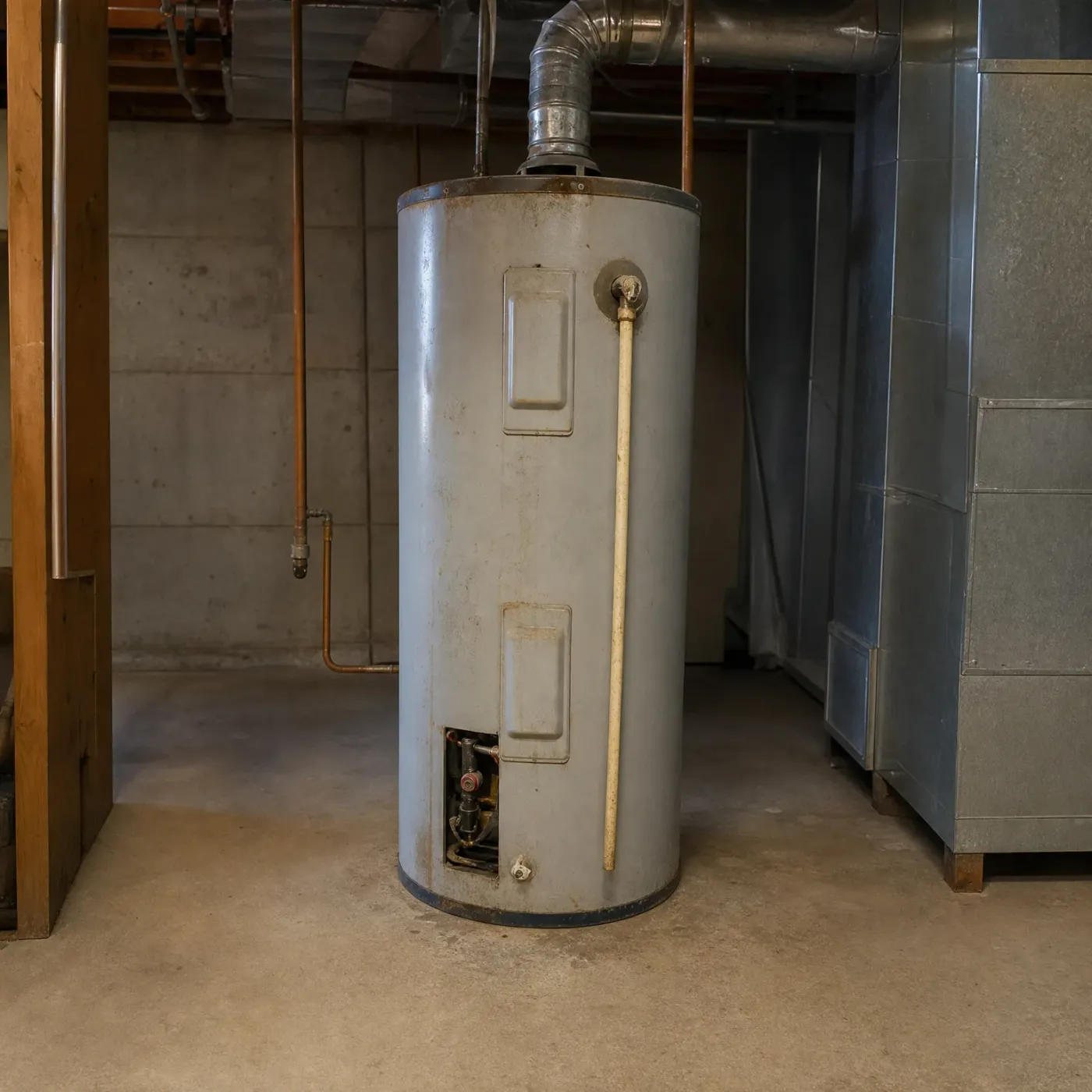
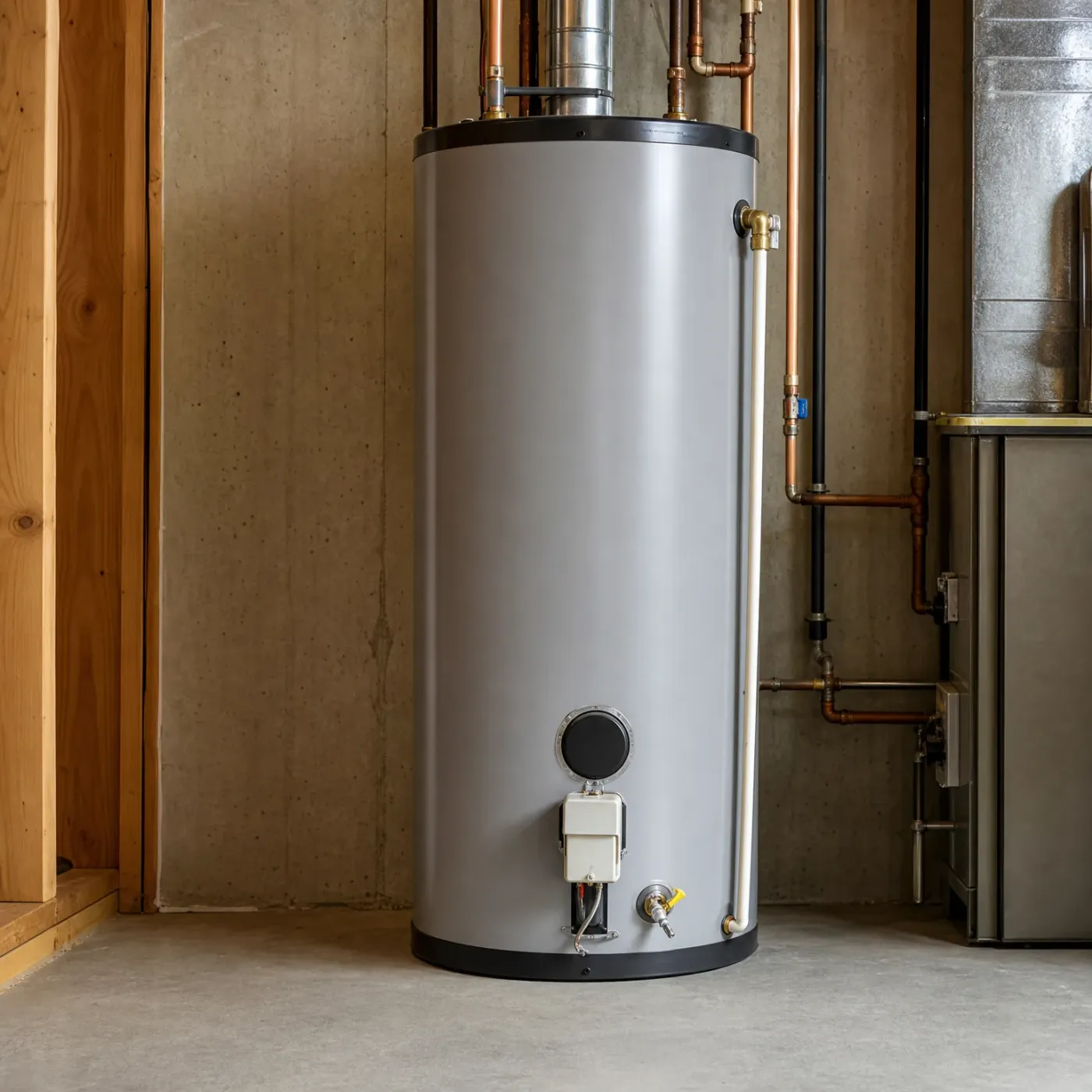
A large gray cylindrical gas water heater with copper and black pipes and a flue stack, standing on a concrete pad against a concrete wall, with a dark metal shelving unit in the background.

Stop chasing a water heater pro

Is a heat pump water heater worth it in South Carolina

A heat pump water heater pulls heat out of the air around it instead of burning power to make heat outright, and in a South Carolina summer there's plenty of warm air to pull from. Whether it makes sense for your house depends on where it would sit, what it would replace, and what you're paying now. Once you send the form, you're done hunting down someone to look at it.

Hand off the search

Yes, for most homes in South Carolina. A heat pump water heater moves heat instead of generating it with electric resistance coils, so it uses a fraction of the power a standard electric water heater does to heat the same amount of water. That matters here because most homes heat water with electricity already, so the savings show up directly on the bill rather than depending on what fuel you'd otherwise switch from. The mild stretch of weather on either side of summer helps too, since the unit pulls heat from the air around it and warmer air means less work. Where it falls short is cold, tight closets with no room for airflow, or spaces that stay cold all winter. If your water heater sits in a garage or basement with some space around it, this is likely worth it. If it's crammed in a small closet, that's worth checking before you decide.

A gray cylindrical water heater with copper pipes stands against a concrete block wall in a basement, next to white PVC piping and a gray furnace, with wood framing and storage bins at left.

A standard electric tank, doing its job

This is what most houses in South Carolina already have: an electric tank heating water with resistance coils, tucked near the furnace and ductwork. It works fine. It just uses more power to do it than a heat pump version would, every month, for as long as it runs.

An older gray gas water heater with a metal flue pipe stands on a concrete basement floor beside ductwork and exposed copper piping.

What age looks like on the tank

Rust on the jacket, discoloration around the seams, a relief valve pipe that's been discharging more than it should. A tank in this shape is near the end of its life. Replacing it with a heat pump water heater is the point where the switch costs you the least extra.

Does Your Setup Fit a Heat Pump Water Heater

Good fit

  • It sits in a garage, basement, or utility room with at least enough open air space around it to pull heat from, usually somewhere around 700 to 1,000 cubic feet.
  • The space it sits in stays above roughly 40 degrees year round, which most indoor utility rooms in South Carolina do without any trouble.
  • Your electric rates are what most households here pay, so the lower power draw shows up as a real difference on the bill over a year.
  • You want the tank to last through another hot, humid summer without working harder than it has to in a space that already holds moisture.
  • You're fine with a water heater that pulls some heat and moisture out of the room it sits in, which can be a plus in a warm utility closet.

Not yet

  • The water heater sits in a small closet or tight crawlspace with no real air volume around it to draw heat from.
  • The space it's in gets cold in winter, like an unconditioned garage in the upstate, which cuts into how well the unit pulls heat from the air.
  • You need hot water recovered fast for a big household, since a heat pump water heater heats more slowly than straight electric resistance.
  • The existing setup already drains well and there's no easy place to route condensate from the unit.
  • You're not planning to stay in the house long enough to make back the higher upfront cost of the unit itself.
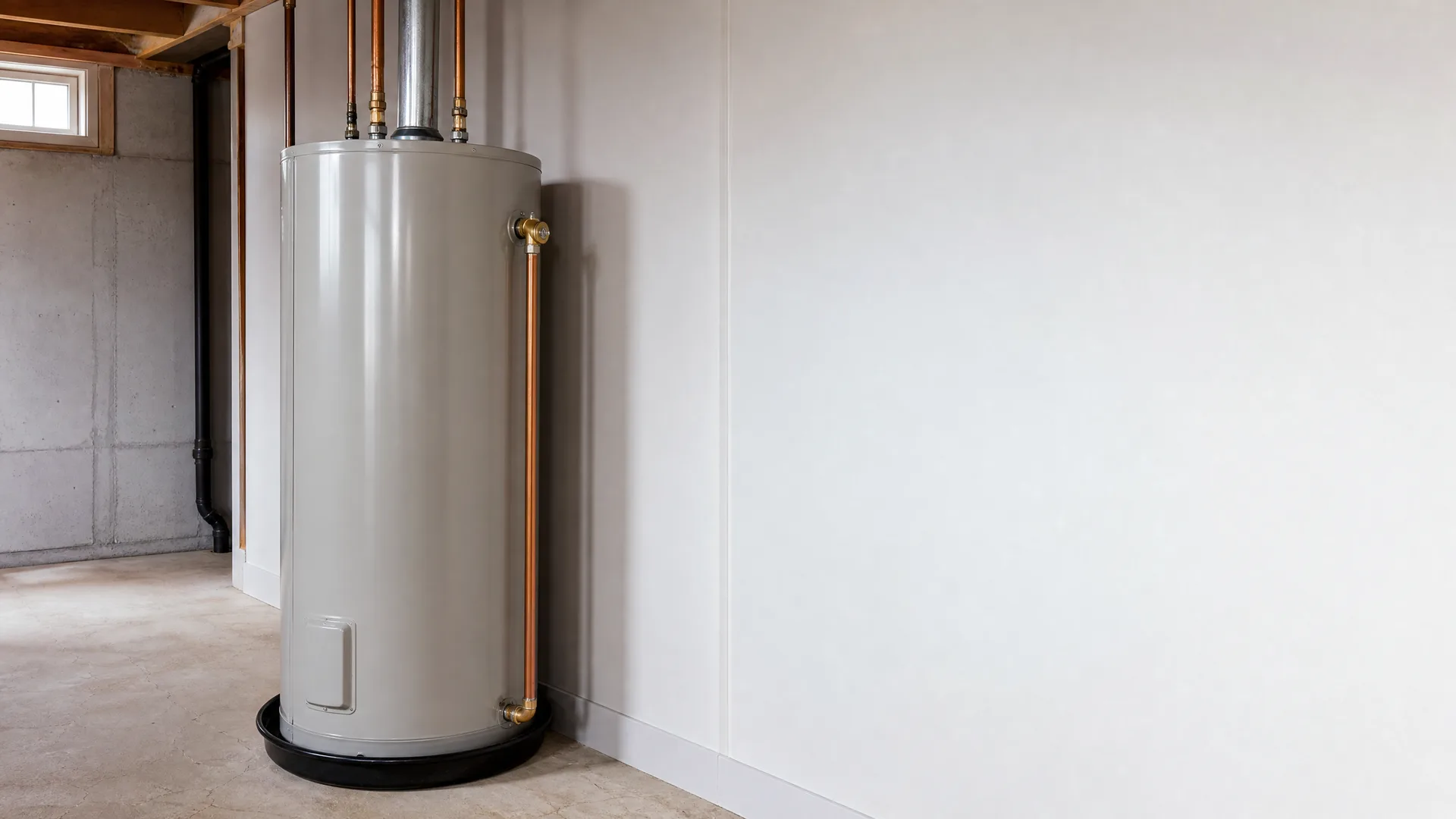
A beige cylindrical water heater with copper pipes and a black drain pan stands in a corner of a basement with white walls, a concrete wall and small window at left, and a concrete floor.

Where that heat comes from

A heat pump water heater pulls heat out of the surrounding air and moves it into the tank. That's why the room it sits in matters. As it runs, it cools and dries the air around it, which is a welcome side effect in a South Carolina garage or utility room most of the year. A standard electric tank doesn't touch the air in the room at all. It just heats the coils.

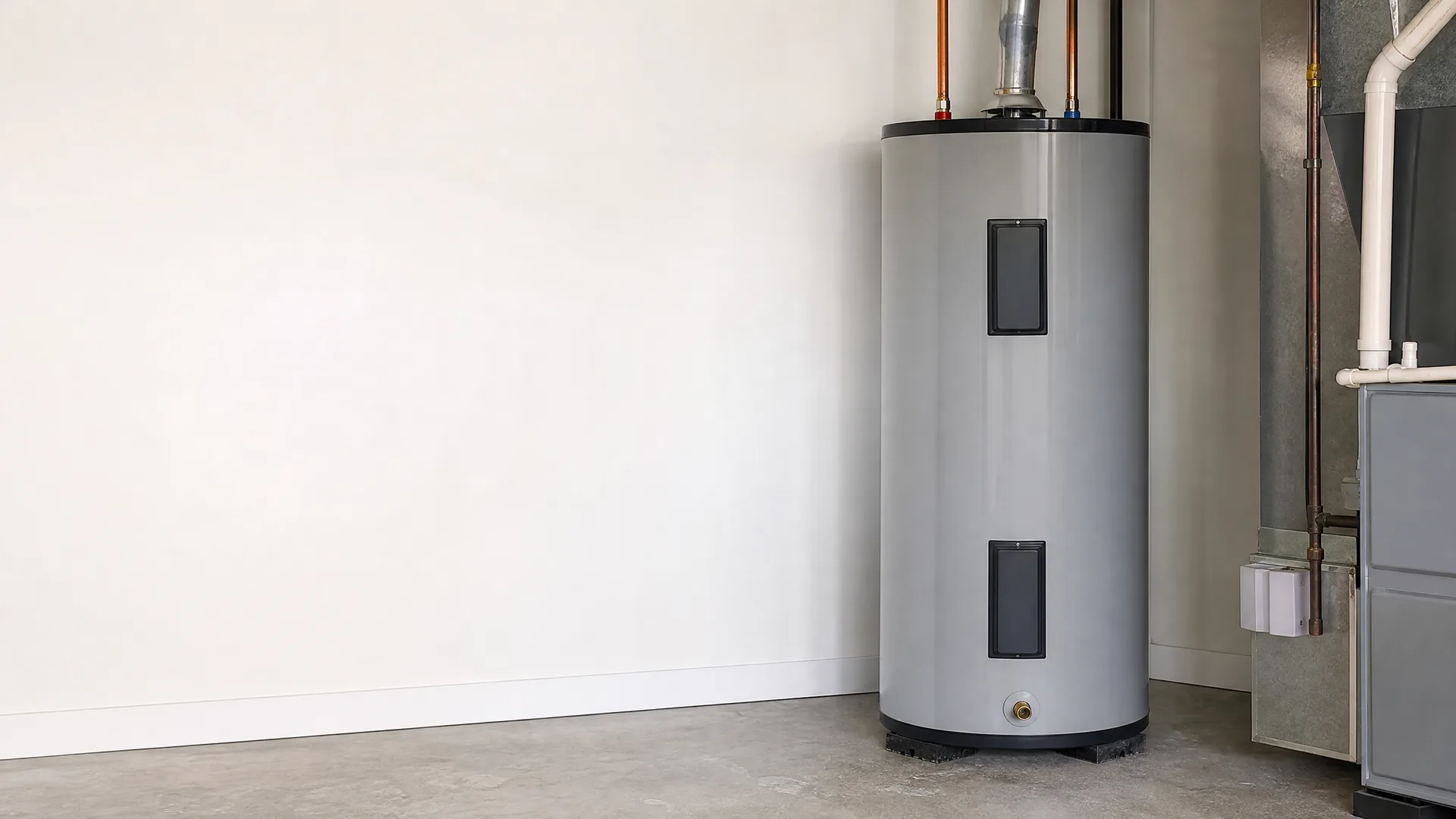
A gray cylindrical water heater with two black access panels stands on a concrete floor against a white wall, with copper pipes and a flue above it and ductwork to the right.

What that does to the room

Run a heat pump water heater in a small closet with the door shut and it will cool that space down and pull the moisture out of it faster than the air around it can be replaced. Give it room to breathe, somewhere around 700 to 1,000 cubic feet of open space, and it draws from a volume of air large enough that the effect spreads out instead of stalling the unit.

70.8% of homes statewide heat with electricity

Most houses in South Carolina heat water the same way they heat the air, with electric resistance. That's 70.8% of homes statewide. A heat pump water heater still runs on electricity, but it moves heat instead of making it, so the same tank uses a lot less of the power you're already paying for.

ACS 2020-2024 5-year B25040

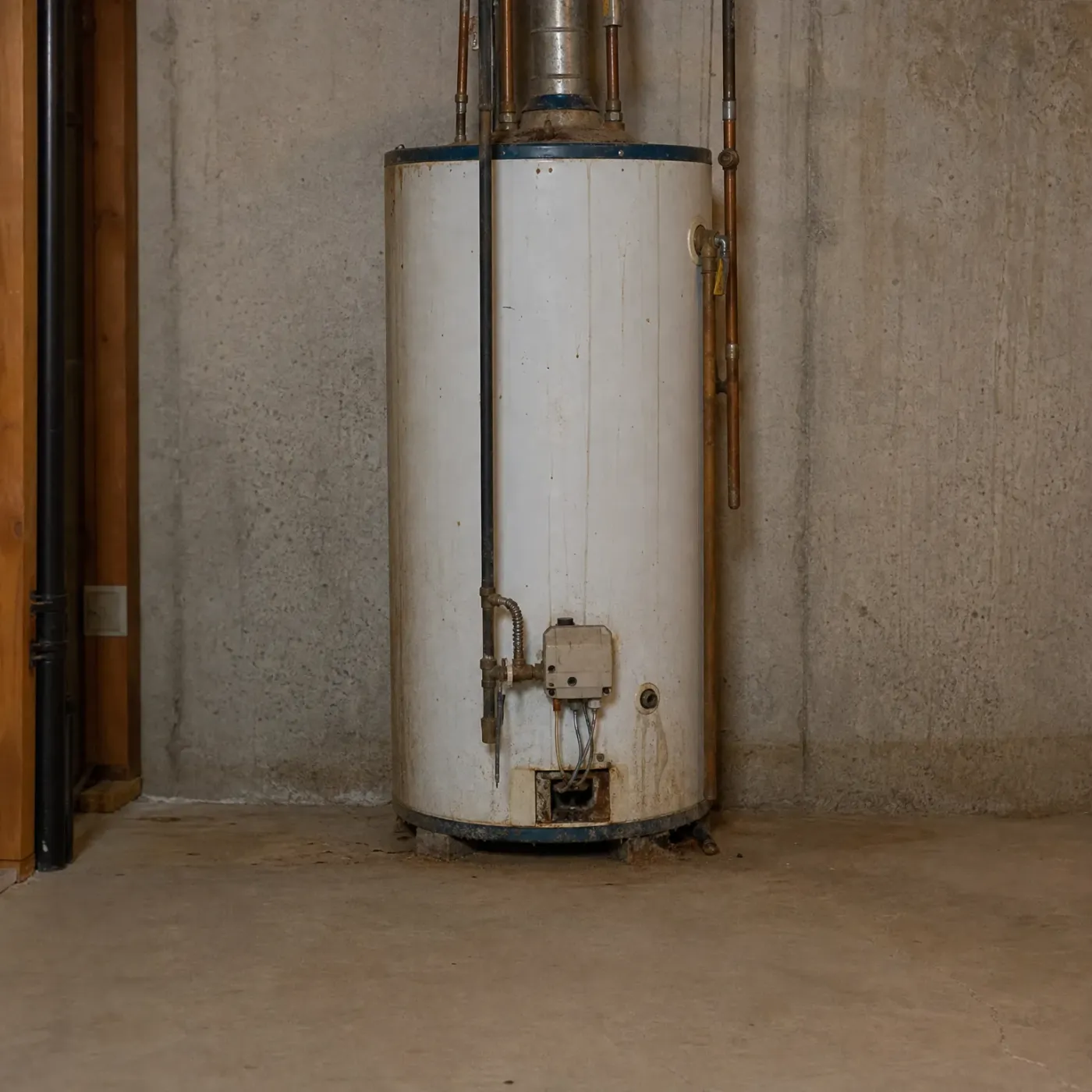
An old white gas water heater with rust stains, copper pipes and a flue stands in the corner of a concrete-walled room with a bare concrete floor and a wooden door frame at left.
Before you get your water heater installation
A gray cylindrical water heater stands on a concrete floor against a concrete wall, with copper and black pipes running overhead and a metal duct and dark equipment cabinet to the right.
After you get your water heater installation

Send one request and you're done looking

You already know your water heater needs replacing or at least a hard look, and that's usually when the question of a heat pump model comes up. The honest answer for most South Carolina homes is yes, because electric resistance is what you'd be replacing it with otherwise, and that's the expensive way to heat water here. But the right unit depends on where it's going, how much air space is around it, and whether that space stays warm enough through winter to keep the thing efficient. Working that out yourself means calling around to a few installers, describing your utility room or garage to each one, and waiting on quotes that may not even agree with each other. Sending the request here hands that part off. A contractor who installs these in South Carolina homes looks at your space and tells you straight whether it fits, so you're not the one running down answers room by room.

Your current water heater is working off the same electric resistance coils that drive up your bill every time you run a shower or a load of laundry, and that's true whether it fails this year or five years from now.

A heat pump water heater replacing it would pull most of its heat from the air in that room instead, so the same hot water costs you less every month it's running, not just the month you installed it.

An older man with gray hair and a beard leans back on a beige sofa with his eyes closed, in a sunlit room with potted plants, a wicker chair and large windows behind him.
A woman in a cream knit sweater sits in an armchair with her eyes closed and a slight smile, beside an open window showing orange autumn foliage, with a mug, books and a lit candle on a small side table.

So, Is It Worth It

  • A heat pump water heater costs less to run than the electric resistance tank most South Carolina homes already have.
  • It needs a space of roughly 700 to 1,000 cubic feet that stays above about 40 degrees year round.
  • It cools and dries the air around it as it runs, which is a plus in a garage or utility room through a muggy summer.
  • It still uses electricity, so power prices here still set what you pay, just for a lot less of it.
  • A standard electric tank works fine, it just spends more power doing the same job.
  • Where it sits and how much room is around it decides whether it's a fit, not the house's age.

For most homes in South Carolina, yes. The math behind that answer is simple. Electric resistance heats water by brute force, and a heat pump water heater moves heat instead, so it spends a lot less power to fill the same tank. Since most houses here already heat water with resistance coils, swapping to a heat pump model is usually a straight improvement on the bill, not a gamble.

The part worth slowing down on is the space. The unit needs room around it, roughly 700 to 1,000 cubic feet, and that space needs to stay above about 40 degrees through the winter. A garage, basement, or utility room usually clears that bar without issue. A small closet around the tank does not. That's a question about the room, not about how old the house is or what else is in it.

There's a second benefit that shows up specifically because of where you live. As the unit pulls heat from the air to warm the water, it cools and dries that air in the process. In a muggy South Carolina summer, sitting in a garage or utility room, that's a quiet upside you get for free.

None of this changes what the tank costs to run on power prices here. It still runs on electricity, same as the tank it replaces. It just needs a lot less of it to do the same job.
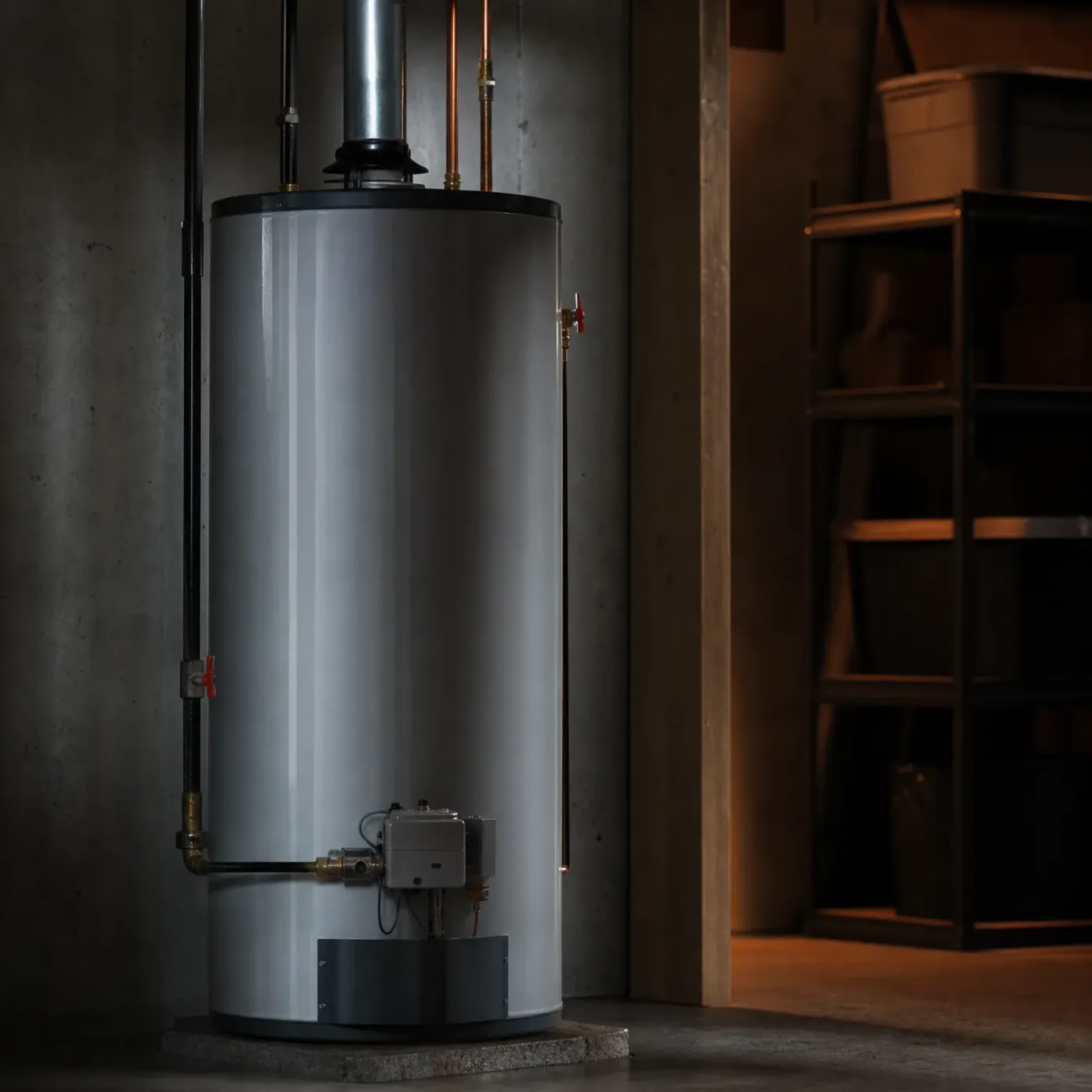
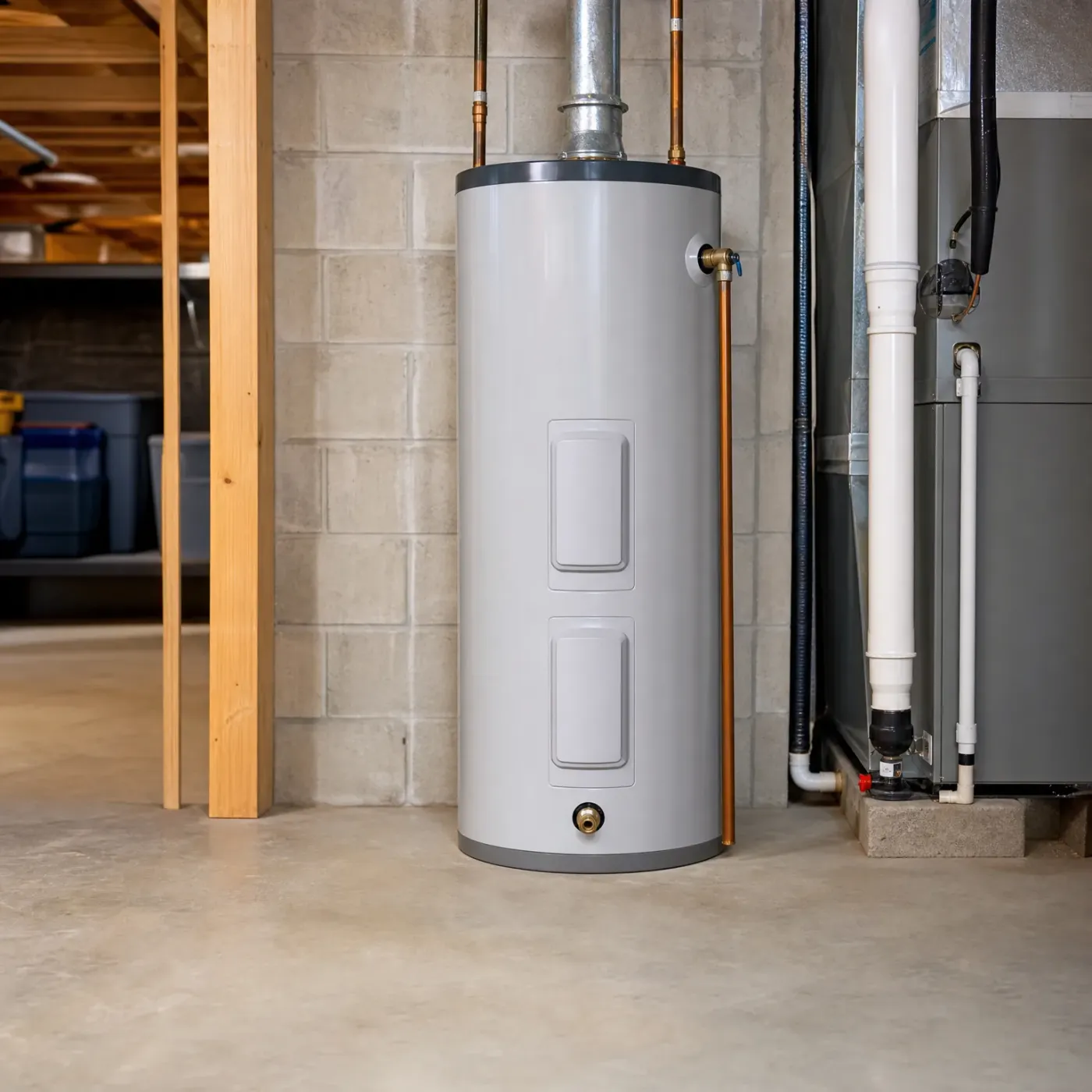
A man in a gray sweater reclines in a brown leather armchair with his eyes closed, beside a wooden side table holding a mug, a folded newspaper and a potted plant, with a bookshelf and sunlit window behind him.
A man with greying hair and a dark sweater leans back on an armchair with his eyes closed and a slight smile, in a living room with a bookshelf, plant, folded newspaper and mug on a wooden table.
A man in a gray fleece jacket sits reclined in a leather chair with his eyes closed, in a room with bookshelves, a table lamp, a window, and a desk holding a folded newspaper and a dark mug.
A bearded man in a gray fleece pullover sits with eyes closed in a brown leather armchair in a living room, with a floor lamp, bookshelf, potted plants, a side table holding newspapers and a dark mug, and a bright window behind him.

Water Heater Installation

Finding a pro stops being your job

Skip the round of in-home estimates for a new water heater.

A black-framed smartphone standing upright against a plain light gray background, its screen filled with solid green.
Step 1 of 3: Equipment