How sediment builds inside your tank
- Sediment settles because the water in the tank is heated from below, so minerals drop to the bottom where the burner or element sits.
- South Carolina's groundwater runs harder in parts of the state, which means sediment builds faster than it would with naturally soft water.
- The drain valve sits a few inches up from the bottom seam, so a full flush still leaves a layer behind that a yearly flush keeps from thickening.
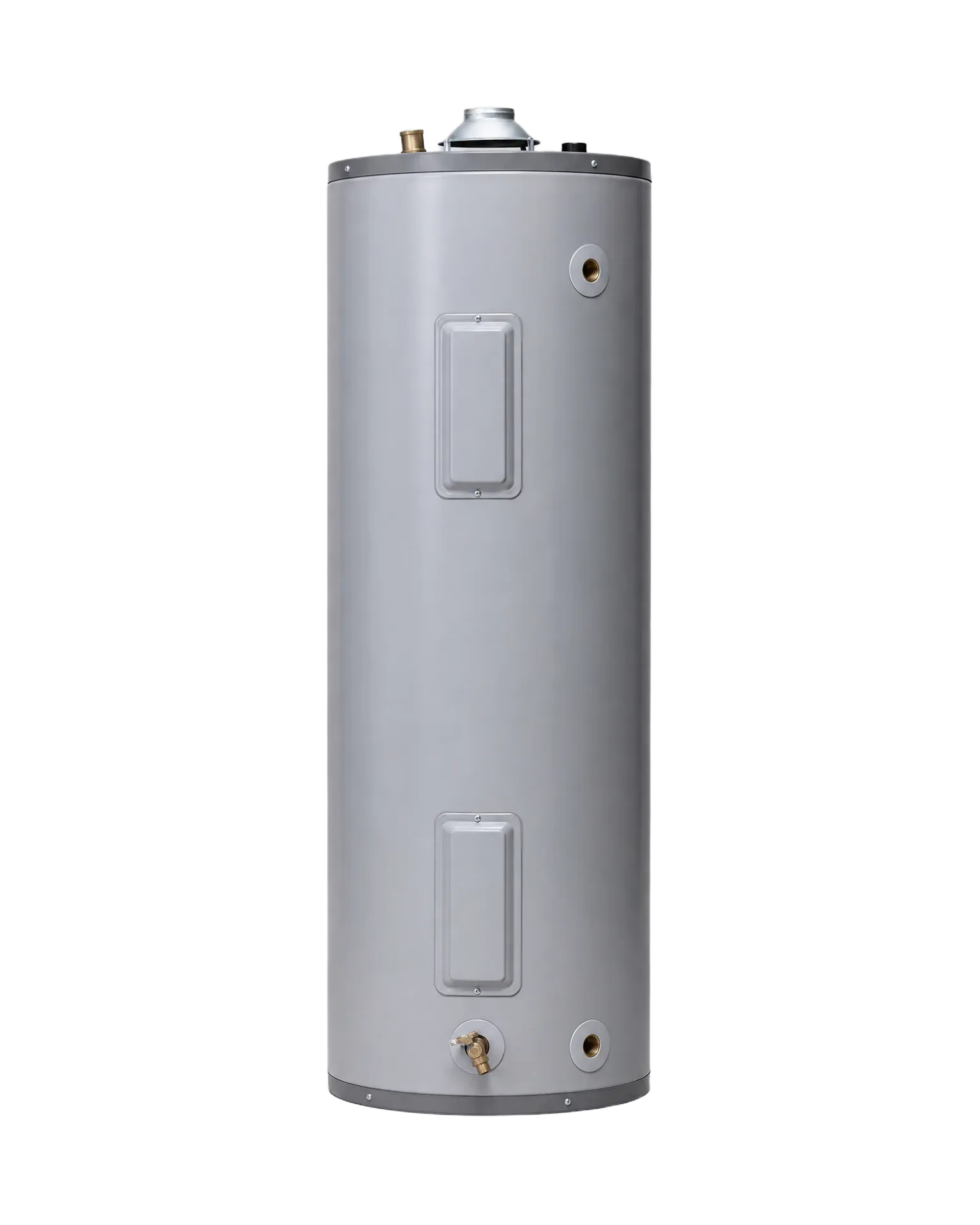
- Electric water heaters hide sediment around the lower heating element, where it can cause the element to burn out early if it's never disturbed.
- Shutting off the cold water supply and opening a hot tap upstairs relieves pressure before the drain valve is opened, which keeps the flow steady instead of sputtering.
- The anode rod gets checked during the same visit, since a rod that's worn down lets the tank itself start rusting from the inside.
Heat rises, but the burner or element doing the heating sits low in the tank, so that's where the minerals in your water end up settling. Most places in South Carolina have harder groundwater than you'd think, and the harder it is, the faster that layer at the bottom builds. Left alone, it doesn't just sit there. It thickens, and it insulates the bottom of the tank from the heat trying to pass through it, which is why a tank with heavy sediment works harder to get the same water hot.
If you have a gas water heater, that layer is between the burner and the water, and it's what causes the popping sound mentioned earlier. If yours is electric, the sediment builds in around the lower heating element itself, and an element buried in scale tends to burn out well before one that's kept clear.
The drain valve is a few inches above the actual bottom of the tank, which means even a careful flush leaves some sediment behind every time. That's not a sign the flush failed. It's just the shape of the tank, and it's the reason a yearly flush matters: it clears out what built up over the year before that layer has a chance to thicken into something the next flush can't fully move. Flushing also gives a contractor a look at the anode rod, which is what's actually protecting the tank from rusting from the inside once it wears down.