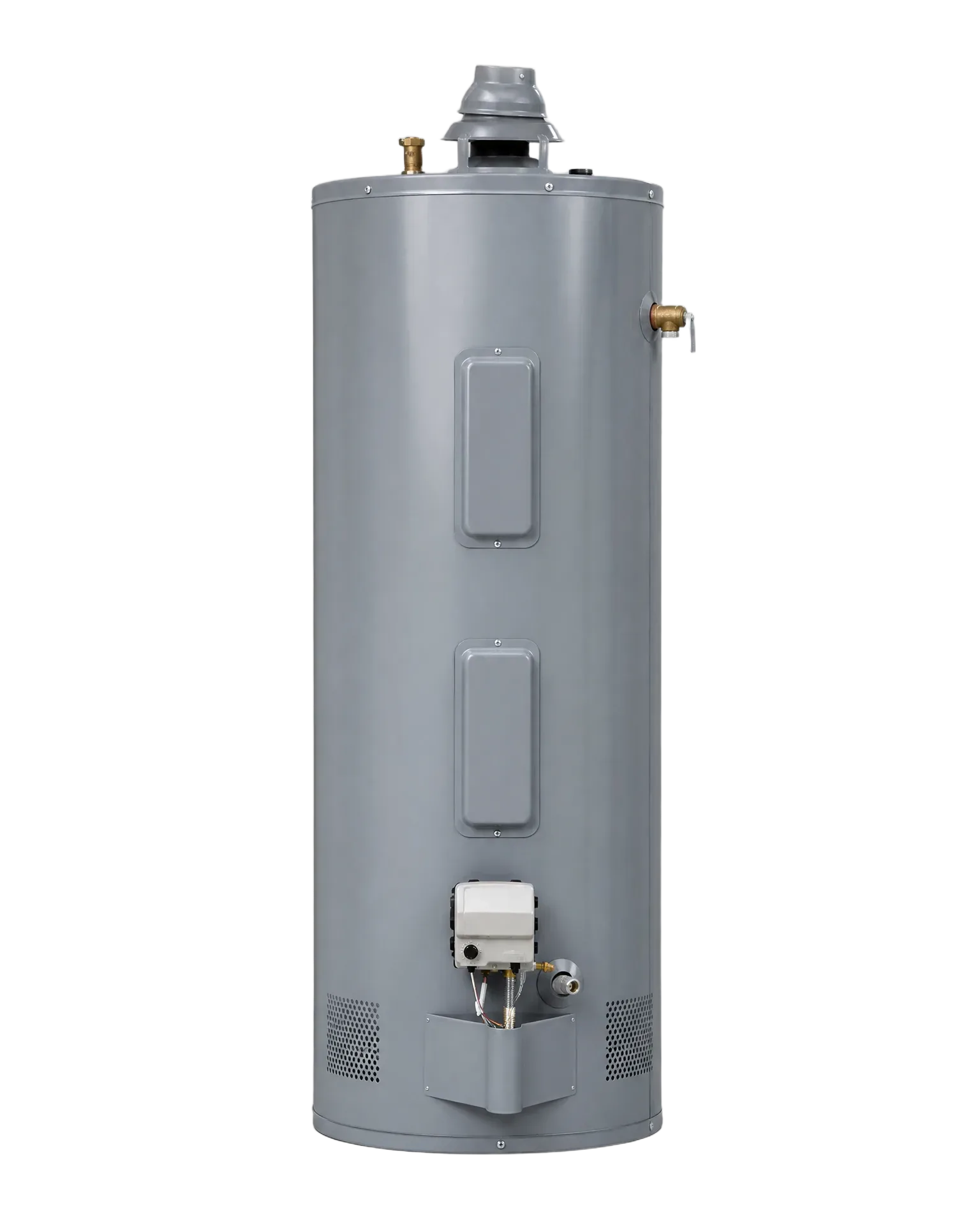
8 to 12 years
That's the typical span for a tank water heater before it stops heating reliably. Past that range, a leak or a cold shower can show up with no warning.
You want to know if your water heater is near the end or if that strange noise means nothing yet. Most people only think about this when the water runs cold or the tank starts leaking, so getting ahead of it means knowing roughly when to expect trouble, not just reacting once it happens.
A tank water heater doing regular duty tends to hold up for 8 to 12 years before it starts failing or leaking outright. Most homes here run electric water heaters, and electric units tend to land toward the longer end of that range since there's no burner or flue to corrode over time. Hard water will shorten that life by building scale inside the tank, so where you live and what's in the water both play a part. Once a unit passes 10 years, it's worth watching for a tank that sweats, water that takes longer to heat, or a pilot light or heating element that won't hold. Replacing it before it fails outright means you choose the timing instead of a flooded closet choosing it for you.




That's the typical span for a tank water heater before it stops heating reliably. Past that range, a leak or a cold shower can show up with no warning.
With electric heat common in South Carolina homes, the water heater's own electric element is doing all the work, no furnace to share the load. That wear adds up over the years.


Most houses in South Carolina heat their water with electricity, same as they heat the house. An electric water heater has no gas valve or vent to go bad, but the heating elements still wear down from daily use. When one fails, you'll know fast: the water just won't get hot.
ACS 2020-2024 5-year B25040
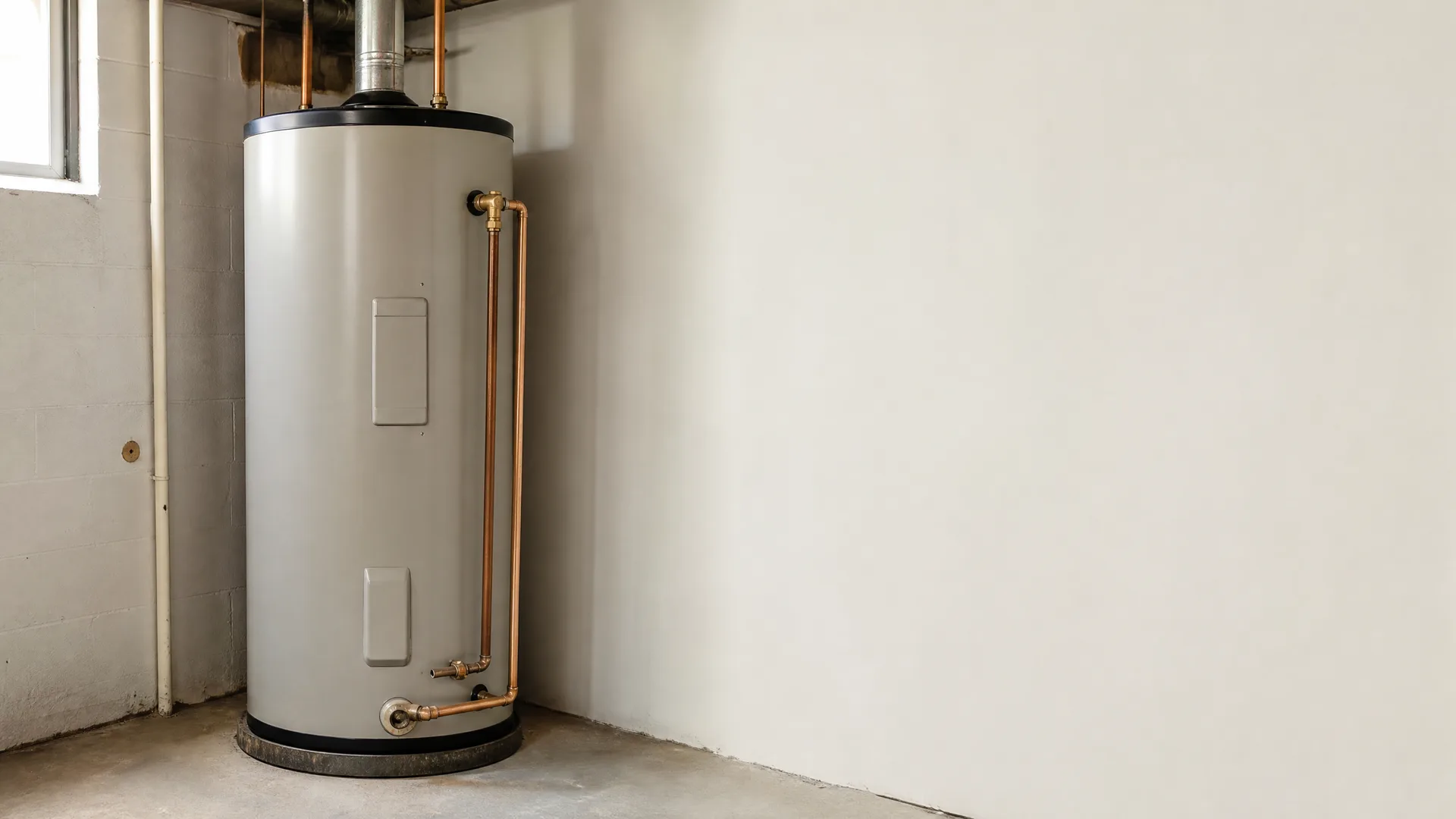
Watch the water temperature first. An electric water heater with a failing element gives you water that starts warm and turns cold halfway through a shower, since the lower element is the one that usually goes first. Rust colored water from the hot tap, a popping sound from the tank, or a puddle at the base are the other signs. None of these mean fix it tomorrow, but once your tank is past 8 years, any one of them is worth paying attention to.
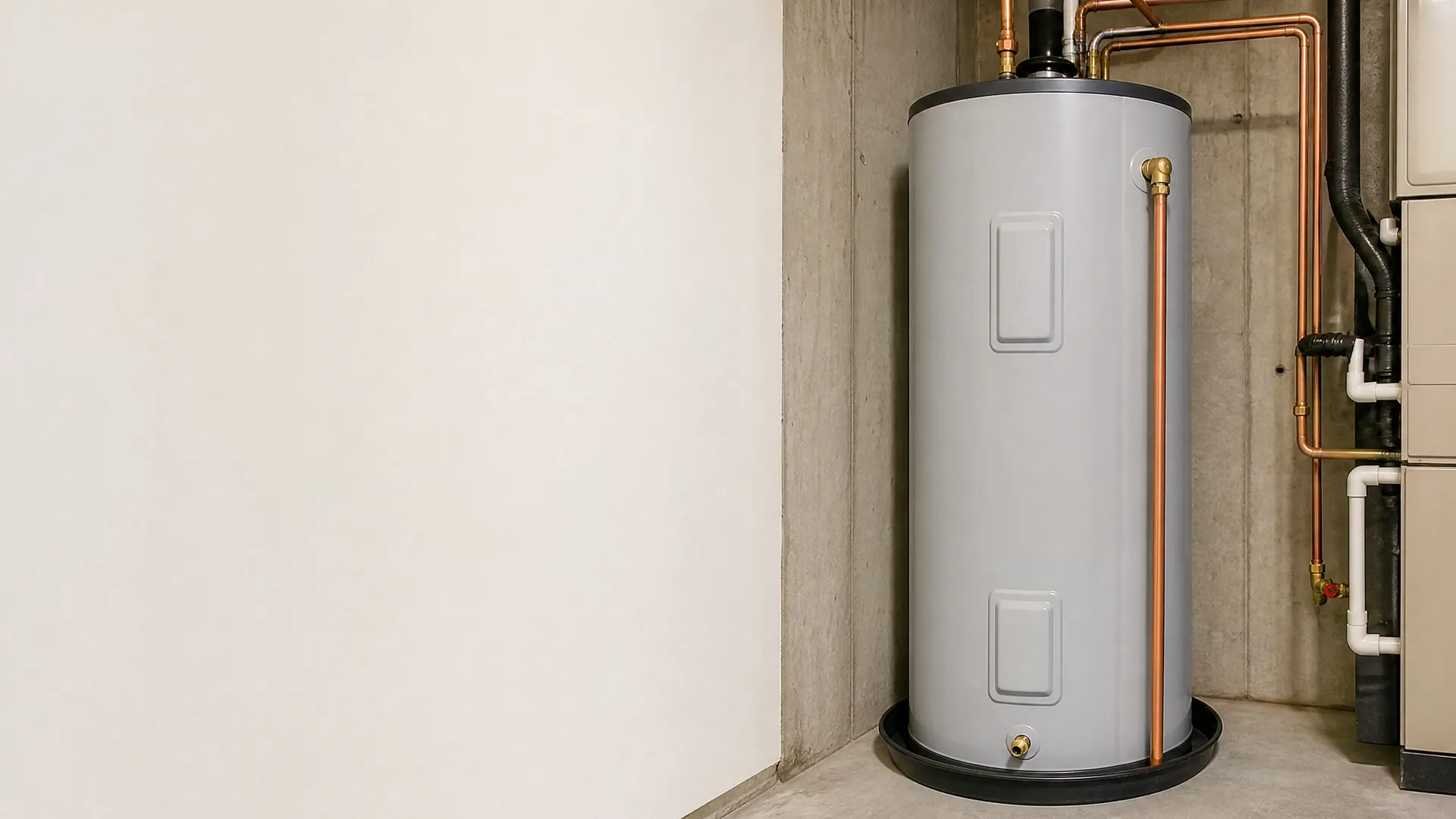
A tank that fails outright usually fails wet, with water on the floor of the closet or garage it sits in. That's a different problem than a slow drop in water temperature, and it tends to happen without warning once a tank is past its typical range. The household feels it first as cold showers, then as water damage if nobody catches the leak right away. Replacing the tank before it gets there is the only way to control when the work happens instead of reacting to it.


One installer gets your project, so there's no bidding war over it.
Say what's going on with your water heater, and a pro who works on them reaches out.
You're not committing to anything by asking.

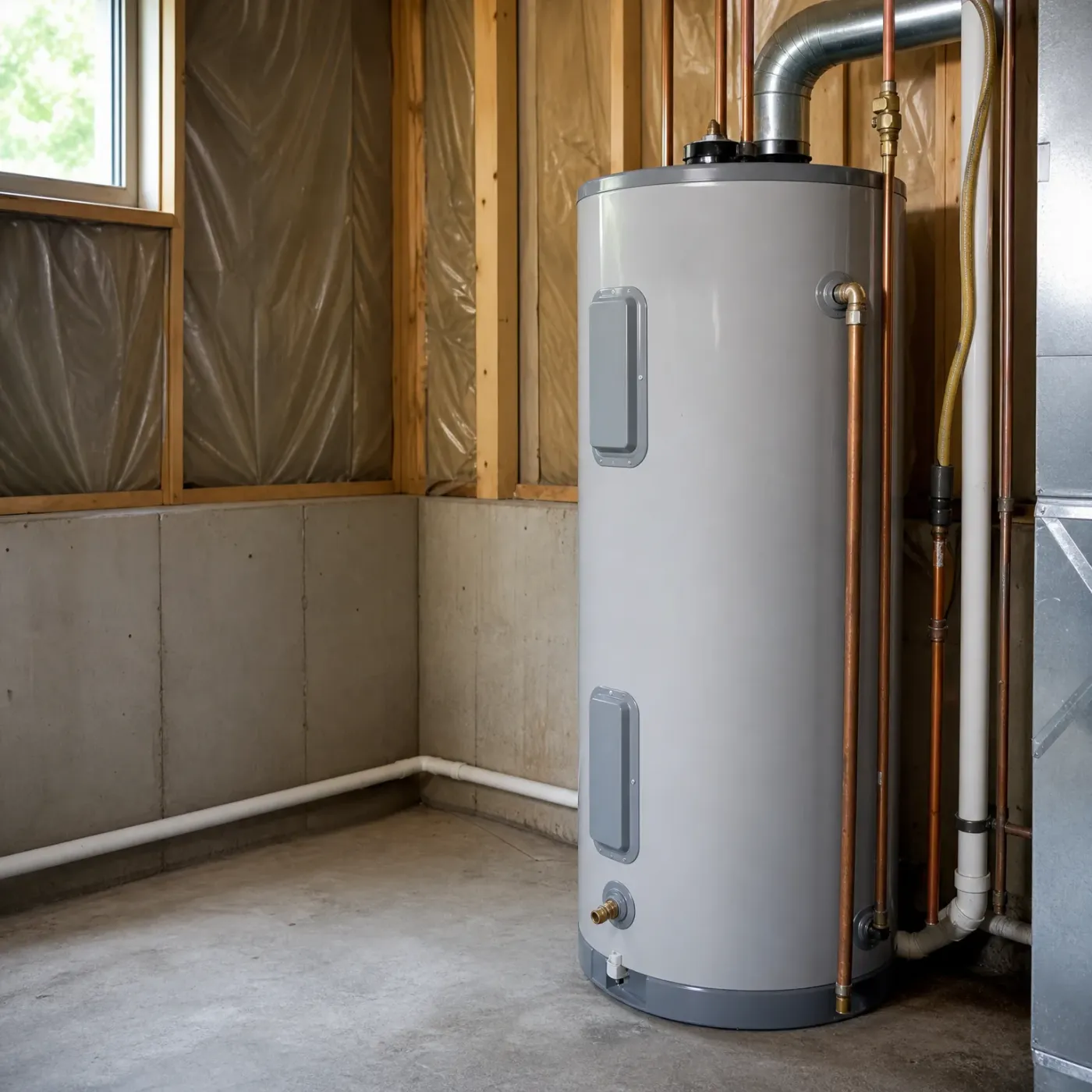
An electric water heater has two heating elements, one near the top of the tank and one near the bottom. The bottom element does most of the work, since it's the one heating the incoming cold water before it rises. That's why it wears out first, and why a shower that starts warm and goes cold is usually a bad lower element, not a dead unit. Sediment settles on that bottom element too, especially in homes with harder water, and it has to work through that layer to heat anything.
Once an element fails, a contractor can sometimes replace just that part on a tank that's still within its range. Past 8 to 12 years, most will tell you straight whether it's worth fixing or time to replace the whole tank. A local contractor who services these year-round has seen which brands and tank sizes hold up in South Carolina homes, and getting matched with one who already knows your situation means you're not explaining it twice to different companies.

Cold water enters the tank and sinks to the bottom
The lower heating element heats that incoming water first
Sediment from hard use settles and coats the lower element
The coated element works harder and burns out sooner
Most electric water heaters in South Carolina run 8 to 12 years before the tank or an element gives out, and the lower element usually goes first. Past that range, you're watching for warm water that turns cold or a puddle at the base, not waiting for a clean failure. If your tank is in that window, a local contractor who works on these systems all year, in homes with the same electric setup as yours, can tell you in a short visit whether it's worth patching or time to replace. You'll be matched with one contractor local to South Carolina, not a handful competing for the job, so the person who calls you already knows what tends to fail in a tank your age and can speak to your situation directly. Whether the news is a few more months or a new unit, you'll know where you stand, and so will the people counting on hot water in your house.

A pro who works on water heaters